

How to Add Patches to Jackets: Step-by-Step Guide for Unique Style


Custom patches can totally transform an ordinary jacket into something personal and bold. And with so many options out there, it might feel overwhelming to know where to start. Here is the surprising part. A perfectly sewn patch can make your jacket last years longer than the iron-on type, especially on leather or denim. People often think patching is just about style, but it actually protects and preserves your piece if done right. Discover how the right materials and placement give your jacket a unique edge—and some serious staying power.
Table of Contents
- Choosing The Right Patch And Jacket
- Methods For Attaching Patches Securely
- Styling Tips For Leather And Denim Jackets
- Care And Maintenance After Adding Patches
Quick Summary
| Takeaway | Explanation |
|---|---|
| Choose patches for fabric compatibility. | Ensure patches are made of materials that match your jacket’s fabric for durability and aesthetic appeal. |
| Sew patches for strongest attachment. | Sewing provides a secure, long-lasting method; use zigzag stitches for best results around patch edges. |
| Strategic patch placement enhances style. | Position patches thoughtfully for visual balance; consider locations that maintain the jacket’s design integrity. |
| Care for patches during cleaning. | Use proper techniques for cleaning patched jackets to maintain both fabric quality and patch adhesion. |
| Store jackets properly to prevent damage. | Keep patched jackets in cool, dry places to preserve the fabric and patches from wear and sunlight. |
Choosing the Right Patch and Jacket
Customizing your jacket with patches requires thoughtful selection of both the patch and the jacket material to ensure a successful and visually appealing result. The right combination can transform an ordinary piece of clothing into a personalized statement of style and individuality.
Understanding Patch Types and Materials
Patches come in various styles and materials, each offering unique characteristics that impact their appearance and attachment method. According to DC Fashion Week, there are several primary patch types to consider:
- Embroidered Patches: Highly detailed and durable, these woven patches provide a textured, professional look ideal for leather and heavy-duty jackets.
- Printed Patches: Offering vibrant color reproduction, these work best on lighter fabrics and provide intricate design possibilities.
- Chenille Patches: Often used in varsity and athletic jacket styles, these patches feature a fuzzy, textured surface that adds dimensional interest.
The patch material directly influences its durability and aesthetic appeal. Carefully matching the patch to your jacket’s fabric ensures long-lasting attachment and a cohesive visual design.
Below is a comparison table summarizing the main patch types, their features, and ideal jacket compatibility, helping you quickly choose the best option based on your jacket material.
| Patch Type | Key Features | Ideal For |
|---|---|---|
| Embroidered | Durable, textured, professional appearance | Leather, heavy jackets |
| Printed | Vibrant colors, intricate designs | Light fabrics, cotton |
| Chenille | Fuzzy texture, dimensional interest | Varsity, athletic style |
Jacket Compatibility and Fabric Considerations
Choosing the right jacket is crucial for successful patch application. Harvard’s First-Year Outdoor Program highlights the importance of understanding fabric characteristics when selecting a jacket for customization. Different materials require specific attachment techniques:
- Leather jackets demand robust patches with strong adhesive backing or professional sewing.
- Denim and cotton jackets offer more flexibility with various patch attachment methods.
- Technical outdoor jackets might require specialized patches that do not compromise the fabric’s waterproofing or technical properties.
When selecting a jacket for patches, consider the fabric weight, texture, and intended use. A well-chosen jacket serves as the perfect canvas for your personalized design.
Strategic Patch Placement
Proper patch placement can elevate your jacket’s visual appeal. The Northwest Fencing Center recommends positioning patches approximately 2.5 inches below the shoulder seam on the upper outer shoulder. This standard placement ensures aesthetic balance and professional appearance.
Consider creating a balanced design by spacing patches strategically and avoiding overcrowding. Some enthusiasts prefer a minimalist approach with one statement patch, while others enjoy a more eclectic, fully decorated look. Your personal style should guide the final design.
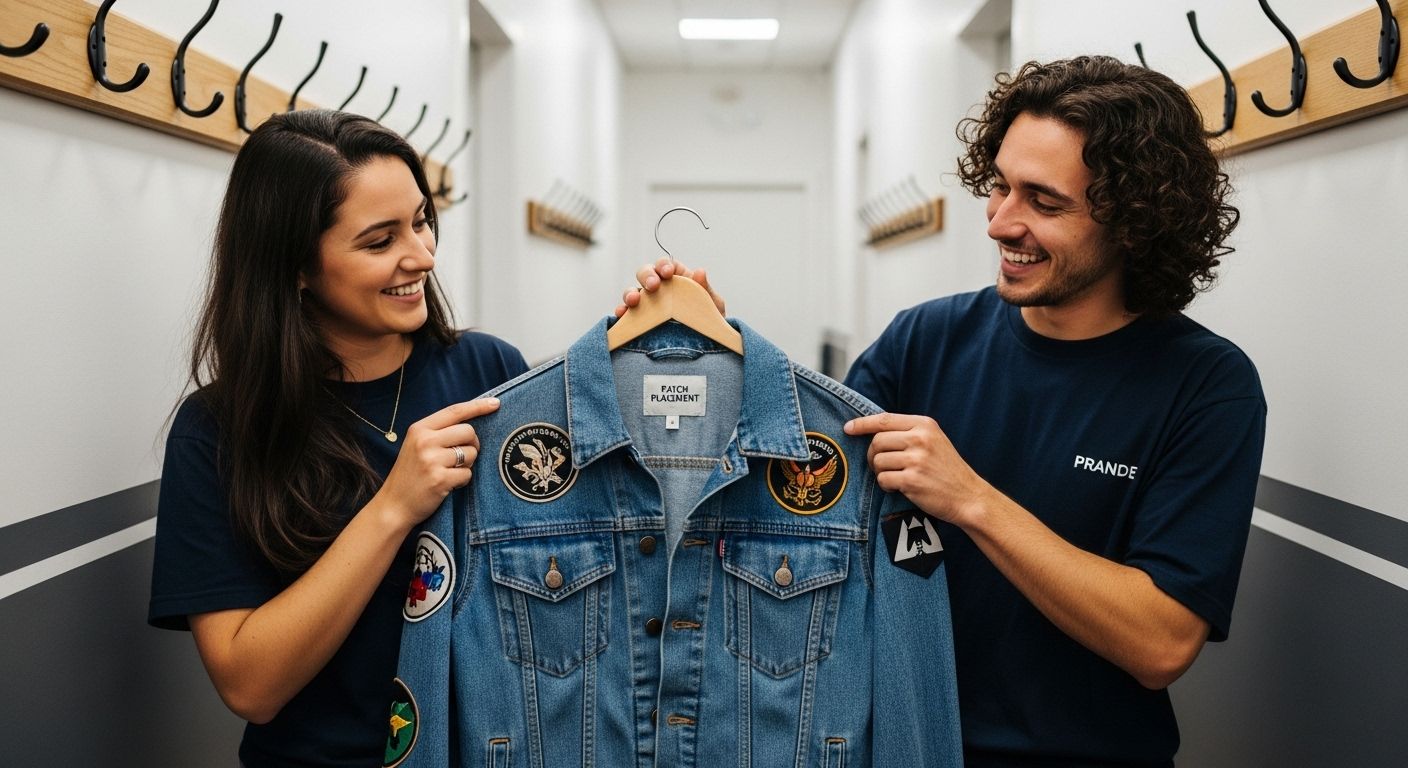
If you’re looking to explore more jacket customization options, check out our guide on motorcycle jacket selection for additional insights into creating your unique style.
Methods for Attaching Patches Securely
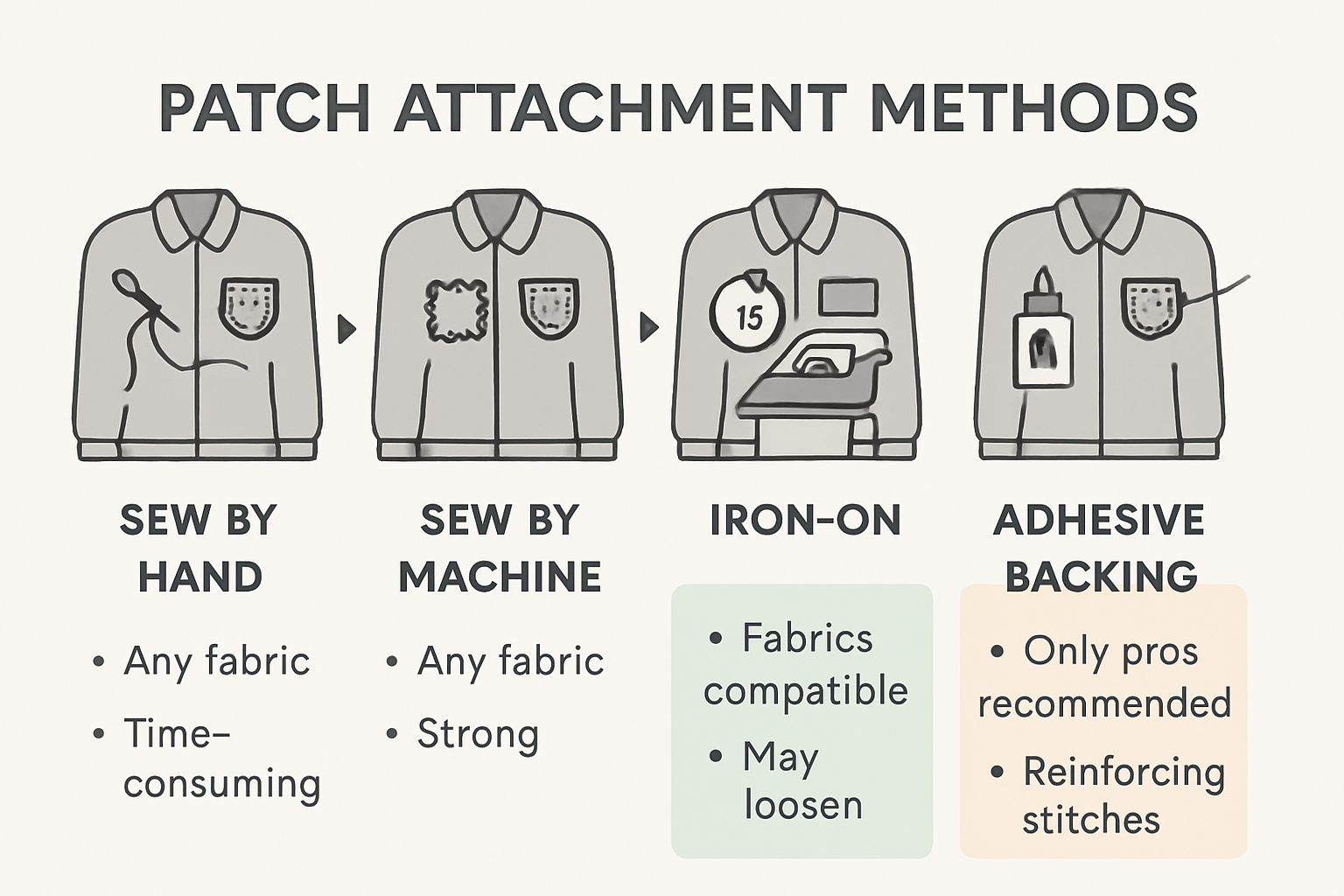
Attaching patches securely requires understanding multiple techniques that ensure long-lasting and professional-looking results. Each method offers unique advantages depending on your jacket material, patch type, and personal skill level.
Sewing Patches: The Traditional Approach
Sewing remains the most durable and professional method for attaching patches. Professional tailors recommend using a tight zigzag stitch around the patch perimeter to prevent fraying and ensure maximum adhesion. American Sewing Guild suggests using fine, sharp needles matched to your jacket’s fabric weight to minimize potential damage.
For hand sewing, select a sturdy thread that matches your jacket’s color. Use small, consistent stitches approximately 1/8 inch from the patch edge. Start by anchoring the thread securely and work methodically around the patch perimeter. Knot the thread underneath to prevent unraveling.
Machine sewing offers precision and speed. Set your sewing machine to a medium-length zigzag stitch and carefully guide the jacket under the presser foot. Practice on scrap fabric first to ensure smooth patch attachment without fabric puckering.
Heat Transfer and Iron-On Methods
Iron-on patches provide a quick alternative for those less confident in sewing skills. National Craft Association recommends using high-quality heat transfer patches designed for specific fabric types. Different jackets require varying heat settings:
- Cotton Jackets: Medium-high heat (around 350-375 degrees Fahrenheit)
- Synthetic Fabrics: Lower heat settings to prevent melting
- Leather: Avoid direct heat transfer (professional application recommended)
To apply an iron-on patch, place a thin cloth between the iron and patch to distribute heat evenly. Press firmly for 30-45 seconds, ensuring consistent pressure. Allow the patch to cool completely before testing its adhesion.
Adhesive Backing and Professional Techniques
Some patches come with specialized adhesive backing that offers an intermediate attachment method. These patches typically require a combination of heat activation and potential supplementary stitching for maximum durability.
Professional leather workers recommend reinforcing adhesive-backed patches with strategic stitching, especially for frequently worn jackets. This hybrid approach combines the ease of adhesive application with the long-term security of traditional sewing.
Here’s a summary table outlining key steps for each popular patch attachment method, so you can easily compare their requirements and usage.
| Method | Essential Steps | Jacket/Fabric Notes |
|---|---|---|
| Sewing | Use zigzag stitch; match needle/thread; hand or machine sew around patch edges | Best on most jackets; strongest option |
| Iron-On/Heat Transfer | Medium-high heat for cotton; use pressing cloth; press 30-45 sec, cool completely | Avoid on leather; adjust for synthetics |
| Adhesive Backing | Heat-activate backing; may reinforce with stitching | Good for light jackets; reinforce on leather |
When selecting an attachment method, consider the jacket’s intended use, fabric composition, and your personal skill level. For intricate or valuable jackets, consulting a professional tailor ensures the best possible patch application.
If you’re interested in exploring more customization techniques, explore our guide on motorcycle jacket styling for additional insights into creating your unique look.
Styling Tips for Leather and Denim Jackets
Customizing leather and denim jackets with patches requires a strategic approach that balances aesthetic appeal with personal expression. Each fabric type presents unique opportunities for creating a distinctive style statement that reflects individual personality and creative vision.
Leather Jacket Patch Styling
Leather jackets demand a more refined and intentional approach to patch placement. The Metropolitan Museum of Art highlights the importance of understanding texture and visual composition when adorning leather garments. Select patches that complement the jacket’s inherent ruggedness while maintaining its classic silhouette.
Consider these strategic styling techniques for leather jackets:
- Minimal Placement: Choose 1-3 high-quality patches that make a bold statement without overwhelming the jacket’s natural lines.
- Tone Matching: Select patches with colors that harmonize with the leather’s natural hue, creating a cohesive and sophisticated look.
- Symbolic Significance: Use patches that represent personal achievements, musical interests, or meaningful cultural symbols.
Professional stylists recommend spacing patches strategically, typically focusing on the back panel or upper shoulder areas. This approach maintains the leather jacket’s classic aesthetic while adding a personalized touch.
Denim Jacket Patch Creativity
Denim jackets offer more flexibility and playful opportunities for patch customization. Leather Jacket Styling Tips suggest treating denim as a creative canvas that can accommodate multiple patch styles and placement strategies.
Key considerations for denim jacket patch styling include:
- Eclectic Mixing: Combine patches of different sizes, textures, and themes to create a unique narrative.
- Thematic Storytelling: Use patches that represent personal journeys, travel experiences, or cultural interests.
- Vintage Inspiration: Draw inspiration from classic motorcycle and punk rock aesthetics that traditionally used patches as statements of rebellion and identity.
Maintaining Jacket Integrity
While adding patches enhances personal style, preserving the jacket’s structural integrity remains crucial. Carefully consider patch weight, adhesive methods, and placement to prevent fabric strain or damage.
Professional customization experts recommend:
- Using lightweight patches on delicate leather or thin denim
- Reinforcing patch attachment through careful sewing techniques
- Avoiding overcrowding that might compromise the jacket’s original design
Patch placement is an art form that requires balance between personal expression and respect for the garment’s original aesthetic. Whether you prefer a minimalist approach or a fully decorated look, the key is creating a design that feels authentically yours.
For those seeking additional inspiration on personalizing their jackets, explore our comprehensive leather jacket customization guide to unlock more creative possibilities.
Care and Maintenance After Adding Patches
After carefully selecting and applying patches to your jacket, proper care and maintenance become crucial to preserve both the garment and the patches. Understanding the right cleaning techniques ensures your customized jacket remains in pristine condition for years to come.
Cleaning Techniques for Patched Jackets
The Washington Trails Association emphasizes the importance of specialized cleaning methods for garments with added patches. Different jacket materials require unique approaches to maintain their integrity and appearance.
For leather jackets:
- Use a soft, dry cloth to remove surface dust
- Apply leather-specific cleaner sparingly
- Avoid saturating the patches or surrounding leather
- Use a soft brush for gentle cleaning
For denim and fabric jackets:
- Turn the jacket inside out before washing
- Use cold water and mild detergent
- Select gentle wash cycle
- Avoid harsh chemicals that might damage patch adhesion
Preserving Patch Adhesion and Fabric Quality
Harvard’s First-Year Outdoor Program recommends specific techniques to maintain the durability of patched garments. Key considerations include:
- Wash patches in warm water with mild, non-detergent soap
- Avoid bleach and fabric softeners
- Dry on low heat or air dry to prevent patch separation
- Steam iron on low setting to redistribute protective coatings
The Dry Cleaning and Laundry Institute International warns that improper cleaning can compromise fabric coatings. Professional care ensures your jacket maintains its original quality and patch attachment.
Long-Term Patch and Jacket Preservation
To extend the life of your patched jacket, implement these expert-recommended strategies:
- Store in a cool, dry place away from direct sunlight
- Use padded hangers to maintain jacket shape
- Avoid folding patches to prevent cracking
- Periodically inspect patch edges for potential lifting
- Repair loose patches immediately to prevent further damage
Consider professional cleaning for valuable or vintage jackets with intricate patch work. Some patches may require specialized restoration techniques to maintain their original appearance.
If you’re interested in exploring more about jacket maintenance and customization, check out our comprehensive leather jacket care guide for additional insights into preserving your unique style.
To help you maintain both your jacket and attached patches, this table summarizes recommended cleaning and maintenance tips by jacket type.
| Jacket Type | Cleaning Methods | Maintenance Tips |
|---|---|---|
| Leather | Dry cloth for dust; leather cleaner; gentle brushing | Avoid soaking patches; inspect edges |
| Denim/Fabric | Inside-out wash; cold water; mild detergent | Gentle cycle; air/low heat dry |
| All Types | Spot clean as needed | Store cool/dry; repair loose patches |
Remember, a well-maintained patched jacket tells a story. By following these care instructions, you’ll ensure your personal style remains vibrant and your jacket continues to make a bold statement for years to come.
Frequently Asked Questions
What types of patches can I use for my jacket?
You can choose from various patch types including embroidered, printed, and chenille patches. Each type has unique characteristics and compatibility with different fabrics.
How do I determine the best placement for patches on my jacket?
Strategic patch placement is key for visual appeal. A common recommendation is to position patches approximately 2.5 inches below the shoulder seam on the upper outer shoulder, ensuring aesthetic balance.
What is the most durable method for attaching patches to a jacket?
Sewing patches is the most durable method, providing a secure and long-lasting attachment. Use a tight zigzag stitch around the patch perimeter to prevent fraying.
How should I care for my jacket after adding patches?
For jackets with patches, clean them according to their fabric type using gentle methods. For leather, use a soft cloth and leather cleaner. For denim, wash inside out with cold water and mild detergent. Avoid harsh chemicals that can damage patch adhesion.
Take Your Jacket Customization Further With Maker of Jacket
Have you ever found yourself wanting to add patches for a standout look, only to worry the wrong materials or techniques will leave your jacket looking worn or uneven? If you are looking for durable quality jackets that truly complement your creative patchwork, discover the Maker of Jacket’s collection—the perfect starting point for your next personalized masterpiece.
Why settle for basic when you can choose from a range of premium leather, denim, bomber, or varsity jackets designed for style and longevity? Get inspired knowing your next patch project will last thanks to high-quality materials made for customization. Visit Maker of Jacket now to browse and select the ideal jacket for your unique look. Let your creativity shine today.


