

Master How to Layer Jackets for Style and Comfort

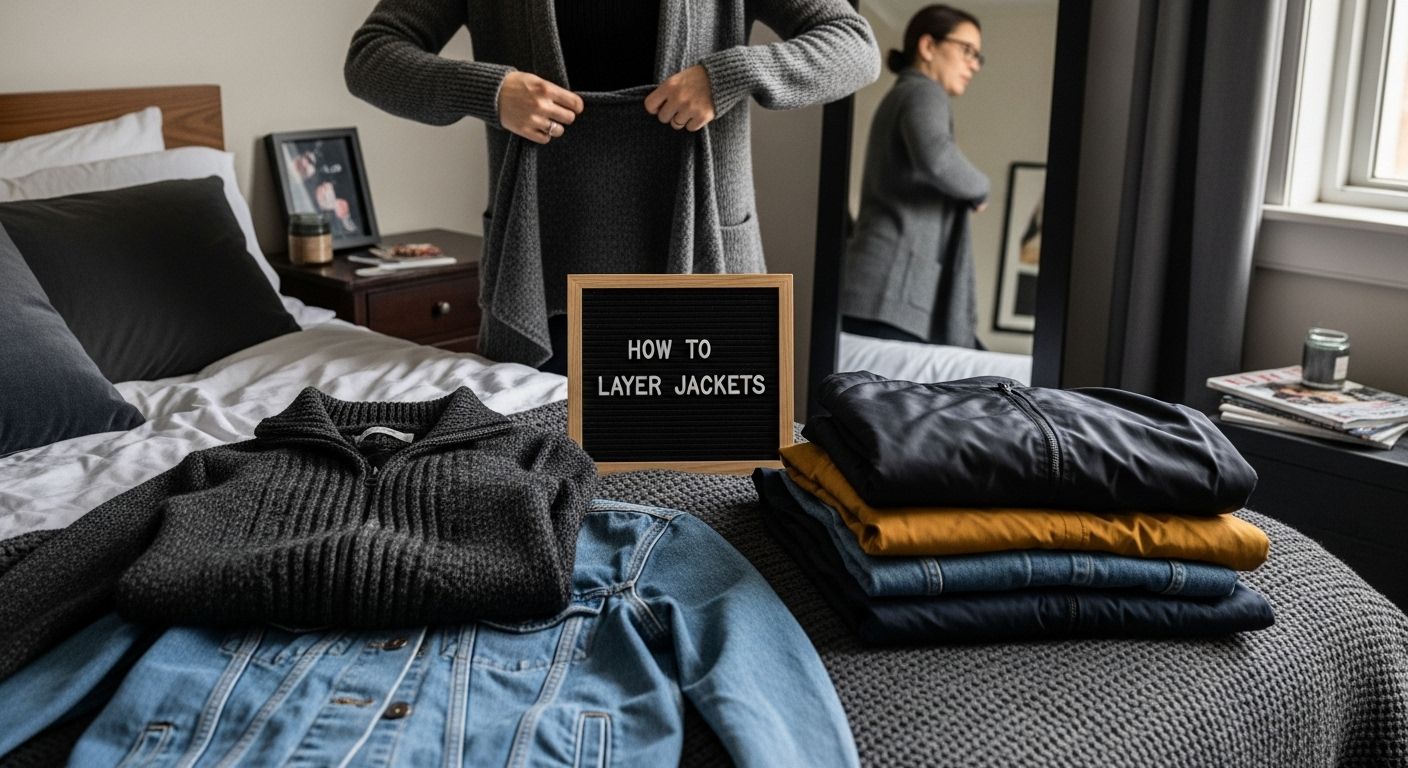
Jacket layering can turn an ordinary outfit into something impressive and practical. Most people just stack random jackets, hoping more warmth means better comfort. But pairing jackets is not just about piling on clothes. The right combination can regulate temperature, manage moisture, and elevate your style all at once.
Table of Contents
- Step 1: Assess Your Jacket Collection And Needs
- Step 2: Choose The Right Base Layer For Comfort
- Step 3: Select A Mid-Layer For Insulation And Style
- Step 4: Pick An Outer Layer That Matches Your Look
- Step 5: Experiment With Layering Techniques For Custom Styles
- Step 6: Check Your Overall Look And Adjust As Needed
Quick Summary
| Key Point | Explanation |
|---|---|
| 1. Assess Your Jacket Collection | Review your jackets by weight and purpose to identify gaps for better layering. |
| 2. Choose a Functional Base Layer | Select moisture-wicking materials to keep comfortable and dry during layering. |
| 3. Select an Insulating Mid-Layer | Opt for versatile designs that provide warmth without bulk and enhance your style. |
| 4. Pick a Stylish Outer Layer | Choose an outer jacket that balances protection and personal style for overall impact. |
| 5. Experiment and Adjust Layers | Try different combinations and colors to personalize your look while ensuring comfort. |
Step 1: Assess Your Jacket Collection and Needs
Layering jackets is an art that begins with understanding your existing wardrobe and personal style requirements. Before diving into complex layering techniques, you need a comprehensive assessment of your current jacket collection. This initial step helps you strategically plan your jacket combinations and identify potential gaps in your wardrobe.
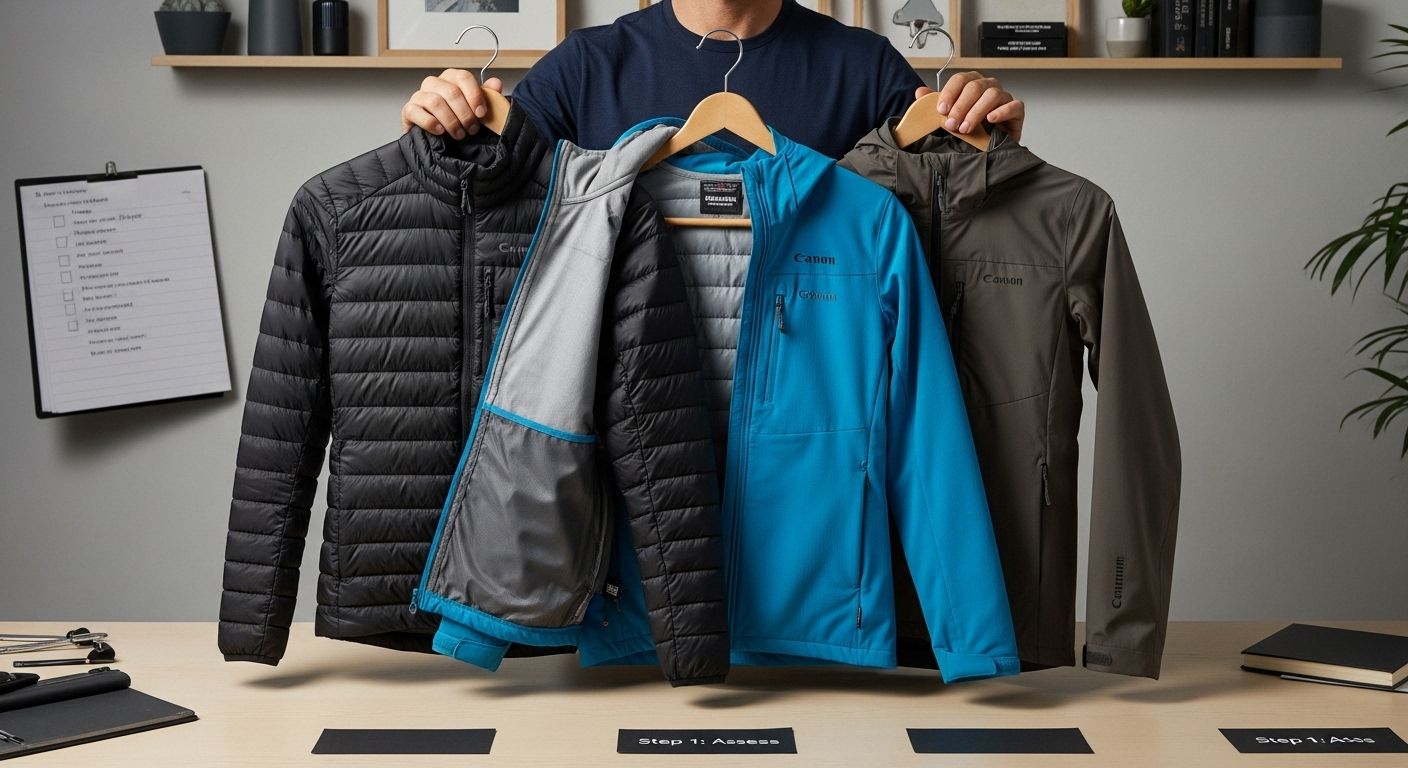
Start by pulling out every jacket you own and spreading them across a clear surface like your bed or a large table. Group your jackets by weight, material, and purpose – from lightweight summer windbreakers to heavy winter leather motorcycle jackets. Look for versatile pieces that can serve multiple functions and transition smoothly between different styling scenarios. Check out our guide on versatile jacket selections to understand how to build a flexible collection.
Consider your lifestyle and typical temperature ranges when evaluating your jackets. A professional who commutes in a chilly urban environment will need different layering strategies compared to someone working outdoors or spending significant time in variable weather conditions. Pay attention to the materials of your jackets: leather provides excellent wind resistance, while wool offers superior insulation. Synthetic materials like nylon can provide lightweight water resistance.
As you review your collection, note any missing pieces that would enhance your layering potential. You might discover you need a thin base layer jacket, a midweight insulating piece, or a waterproof outer shell. The goal is creating a modular jacket system where pieces can be easily combined or removed based on changing temperatures and activities.
To make it easier to identify and organize the jackets in your wardrobe for effective layering, use the following checklist table. This helps ensure you have all types needed for modular, stylish combinations.
| Jacket Type | Common Material | Primary Purpose | Present in Wardrobe (Yes/No) |
|---|---|---|---|
| Lightweight Windbreaker | Nylon/Polyester | Mild weather, wind | |
| Insulating Mid-Layer | Fleece/Wool | Warmth, layering | |
| Heavy Winter Jacket | Leather/Wool | Cold protection | |
| Waterproof Shell | Synthetic | Rain, wet weather | |
| Versatile Statement Piece | Leather/Denim | Style, multi-season use |
Successful jacket layering requires thoughtful preparation. By taking time to thoroughly assess your current collection, you set the foundation for creating stylish, comfortable, and practical outfit combinations that adapt to any environment.
Step 2: Choose the Right Base Layer for Comfort
The base layer forms the foundation of your jacket layering strategy, acting as a critical component in regulating body temperature and managing moisture. Understanding how to select the perfect base layer can transform your comfort and style, whether you are navigating city streets or exploring outdoor environments. Fabric selection is paramount when choosing your base layer, with each material offering unique performance characteristics.
According to Weber State University’s Outdoor Program, moisture-wicking materials are essential for maintaining comfort. Synthetic fabrics like polyester and nylon excel at pulling sweat away from your skin, keeping you dry and preventing the chilling effect of damp clothing. Merino wool emerges as a superior natural alternative, providing exceptional temperature regulation and odor resistance. Avoid cotton base layers, as they retain moisture and can make you feel cold and uncomfortable when layering jackets.
To help you choose the perfect base layer for both comfort and function, here is a table summarizing key base layer materials, their benefits, and situations they’re best used for.
| Material | Main Benefits | Best For |
|---|---|---|
| Polyester/Nylon | Moisture-wicking, quick-drying | Active wear, urban commuting |
| Merino Wool | Temperature regulation, odor resistant | Mixed climates, longer wear |
| Synthetic Blends | Stretch, lightweight, durable | Layering under fitted jackets |
| Cotton | Retains moisture (Not recommended) | Avoid for base layering |
Consider the thickness and fit of your base layer carefully. A form-fitting base layer works best for jacket layering, allowing smooth movement and preventing bunching under subsequent layers. Thin, lightweight materials work well for mild temperatures, while slightly thicker options provide additional warmth in cooler conditions. Look for base layers with strategic stretch and minimal seams to enhance overall comfort and mobility.
Explore our motorcycle jacket collection to find base layers that complement different jacket styles. Performance-oriented base layers with flatlock seams and ergonomic designs can significantly improve your layering experience. Pay attention to your specific activities and expected temperature ranges when making selections. A base layer that works perfectly for a brisk motorcycle ride might differ from one ideal for urban commuting or outdoor adventures.
Remember that your base layer is more than just a piece of clothing – it is the first line of defense in your temperature management system. By investing time in selecting the right base layer, you create a foundation for comfortable, stylish jacket layering that adapts to your lifestyle and environmental conditions.
Step 3: Select a Mid-Layer for Insulation and Style
The mid-layer represents the critical insulation component in your jacket layering system, bridging the gap between your moisture-wicking base layer and protective outer jacket. Selecting the right mid-layer determines your overall warmth, comfort, and style. This layer traps body heat while allowing moisture to escape, creating a microclimate that keeps you comfortable in varying temperatures.
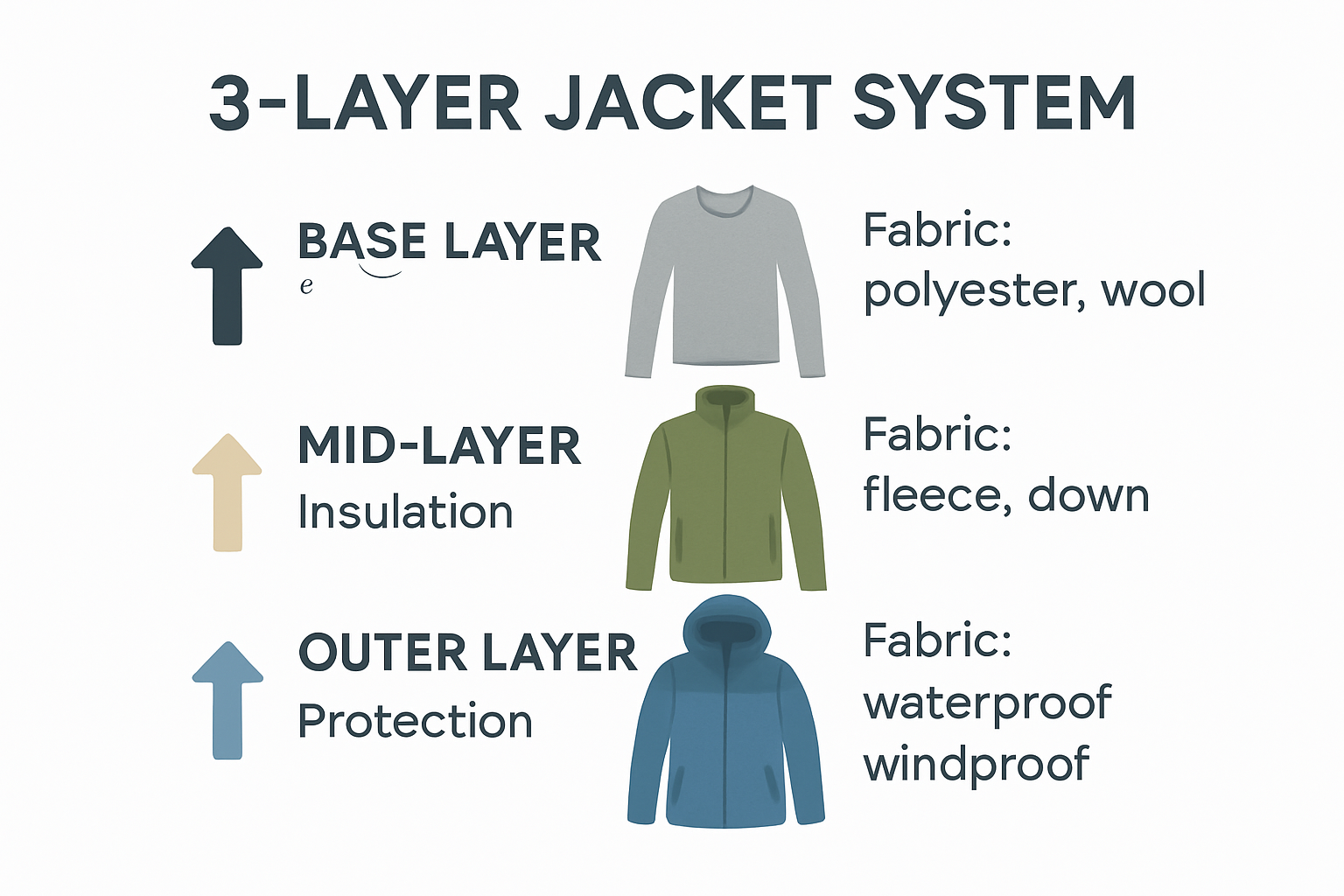
According to Weber State University’s Outdoor Program, different materials offer unique insulation properties. Fleece jackets provide lightweight warmth and excellent breathability, making them ideal for active movements. Wool sweaters and synthetic insulated jackets offer superior heat retention with minimal bulk. Avoid cotton materials, as they absorb moisture and lose insulating capabilities when damp.
Consider the versatility of your mid-layer by selecting pieces that can stand alone or integrate seamlessly with other jackets. Slim-fitting zip-up jackets or lightweight down vests work excellently under leather or denim outer layers. Look for mid-layers with features like zippered pockets, adjustable hems, and stretchy materials that enhance mobility and functionality. Explore our motorcycle jacket collection for inspiration on coordinating mid-layers with different jacket styles.
Style matters as much as function when choosing your mid-layer. Select colors and textures that complement your existing wardrobe and outer jackets. Neutral tones like charcoal, navy, and olive provide maximum versatility, while subtle patterns can add visual interest without overwhelming your overall outfit. The goal is creating a cohesive look that transitions smoothly between casual and more structured environments.
Ultimately, your mid-layer should feel like a second skin – providing warmth without restricting movement, adding style without compromising comfort. By thoughtfully selecting insulating pieces that match your lifestyle and aesthetic preferences, you transform jacket layering from a practical necessity into a personal fashion statement.
Step 4: Pick an Outer Layer that Matches Your Look
Your outer layer is the most visible element of your jacket ensemble, serving as both a protective shield and a critical style statement. The right outer layer transforms your entire outfit, providing weather protection while expressing your personal aesthetic. This final layer must balance functional performance with visual appeal, creating a cohesive look that transitions seamlessly across different environments.
According to the National Park Service, an ideal outer layer should effectively repel water and block wind while allowing internal moisture to escape. Consider jackets with strategic ventilation features like underarm zippers or mesh-lined vents that prevent overheating during active movements. Waterproof materials such as treated nylon, Gore-Tex, or waxed canvas offer superior protection against unexpected weather conditions.
Style considerations are equally important when selecting your outer layer. Choose a jacket that complements your existing wardrobe and personal aesthetic. Leather motorcycle jackets provide a timeless, edgy look that works well with multiple base and mid-layers. Explore our motorcycle jacket options to find pieces that enhance your individual style. Technical shells in neutral colors like black, navy, or olive offer maximum versatility, while bold colors or unique textures can make a statement.
Fit is crucial when selecting your outer layer. The jacket should provide enough room to comfortably accommodate your base and mid-layers without feeling restrictive. Pay attention to shoulder seams, sleeve length, and overall silhouette. A well-fitted outer layer not only looks more polished but also ensures better mobility and thermal efficiency. Consider jackets with adjustable features like drawstring hems, cinchable waists, and adaptable cuffs that allow you to customize the fit and seal out cold air.
Ultimately, your outer layer represents the pinnacle of your jacket layering strategy – a perfect fusion of protection, comfort, and personal expression. By carefully selecting a jacket that meets both functional and aesthetic requirements, you create a versatile piece that elevates your entire wardrobe.
Step 5: Experiment with Layering Techniques for Custom Styles
Layering jackets is an art form that goes beyond mere temperature regulation – it is about creating a personal style statement that reflects your unique personality and adapts to changing environments. Experimentation is key to mastering the perfect layered look, transforming your wardrobe from functional to extraordinary. Each combination tells a different story, allowing you to express yourself through strategic clothing choices.
According to The Mountaineers, a flexible layering system enables you to adapt to varying conditions while maintaining your individual aesthetic. Start by mixing unexpected textures and colors. A sleek leather jacket over a chunky knit sweater creates visual interest, while a lightweight bomber paired with a slim turtleneck offers a refined, modern silhouette. Don’t be afraid to break traditional style rules – layering is about personal creativity.
Color coordination plays a crucial role in successful jacket layering. Use complementary or monochromatic color schemes to create cohesive looks. Darker base layers with lighter outer layers can elongate your silhouette, while contrasting colors add dynamic visual elements. Explore our motorcycle jacket collection for inspiration on mixing different jacket styles and color combinations.
Pay attention to proportions when experimenting with layers. Oversized outer jackets work best with slimmer base and mid-layers to maintain a balanced silhouette. Conversely, fitted outer layers allow more volume in your underlying garments. Consider the length of each layer – slightly varied hemlines create depth and visual intrigue. Experiment with techniques like partial tucking or strategic rolling of jacket sleeves to add dimension to your outfit.
Remember that successful layering is about confidence and personal comfort. Some days you might prefer a minimalist approach with just two layers, while other occasions might call for more complex combinations. The ultimate goal is creating a versatile wardrobe that moves with you, adapts to your environment, and showcases your individual style. Trust your instincts, have fun with the process, and don’t be afraid to break conventional fashion rules.
Step 6: Check Your Overall Look and Adjust as Needed
The final stage of mastering jacket layering is a critical moment of self-assessment and refinement. Your mirror becomes your most important styling tool, revealing how different layers interact with your body shape, movement, and personal aesthetic. This step transforms technical layering principles into a personalized fashion statement that reflects your unique style and functional needs.
According to The University of Alaska Fairbanks, effective layering requires continuous adaptation. Stand in front of a full-length mirror and perform a series of movements to test your layers’ flexibility and comfort. Raise your arms, twist your torso, and walk around to ensure each layer moves smoothly without bunching or restricting motion. Pay close attention to how layers sit on your body – shoulders should align cleanly, sleeve lengths should complement each other, and overall silhouette should feel balanced.
Visual proportion is crucial in creating a polished layered look. Aim for a balanced outline where no single layer overwhelms another. If your outer jacket appears too bulky, consider switching to a slimmer mid-layer or adjusting your base layer’s thickness. Explore our motorcycle jacket collection for inspiration on achieving streamlined layering techniques that enhance your natural physique.
Color and texture play significant roles in your final assessment. Ensure your layers create a harmonious color palette that feels intentional rather than accidental. Subtle color gradients or complementary tones can elevate your entire outfit. Texture variation adds depth – combine smooth leather with knitted fabrics or mix matte and shiny surfaces to create visual interest.
Remember that perfect layering is a personal journey of continuous refinement. Trust your instincts and don’t be afraid to make spontaneous adjustments. Some days might call for a minimalist approach, while others invite more complex layering experiments. The ultimate goal is creating a look that makes you feel confident, comfortable, and authentically yourself – a sartorial expression that seamlessly blends function and personal style.
Elevate Your Jacket Layering With Custom Style from Maker of Jacket
Have you struggled with mismatched jackets, uncomfortable layering, or a lack of versatile pieces to achieve that perfect balance of style and comfort? The search for the right fit, flexible materials, and personalized expression often leaves you settling for less. Stop letting gaps in your wardrobe limit your creative options for layering. Discover how you can turn every tip from “Master How to Layer Jackets for Style and Comfort” into a reality by choosing jackets designed specifically for mixing, matching, and expressing your unique style.
Explore Maker of Jacket’s collection for endless layering solutions crafted for both practical function and standout fashion.
Get started on your layering journey with Maker of Jacket and experience the advantage of premium materials, expert tailoring, and customization you simply will not find in generic stores. Browse our extensive range or request a bespoke jacket to fill any missing piece in your wardrobe. Your next confident, comfortable, and striking layered look is only a click away. Shop now and take control of your style today.
Frequently Asked Questions
What is the purpose of a base layer in jacket layering?
The base layer regulates body temperature and manages moisture, keeping you dry and comfortable. It should be made of moisture-wicking materials like polyester or merino wool.
How do I select a mid-layer for jacket layering?
Choose a mid-layer that provides insulation and complements your style. Look for materials like fleece or insulated synthetic jackets that allow moisture to escape while trapping body heat.
What should I look for in an outer layer when layering jackets?
Your outer layer should repel water and block wind while allowing moisture to escape. Features like ventilation and fit are crucial for both functionality and style.
How can I experiment with layering styles?
Mix different textures, colors, and proportions to create unique looks. Consider balancing fitted and oversized pieces and incorporating different hemlines for visual interest.


