

How to Measure for a Jacket: Easy Guide for Perfect Fit

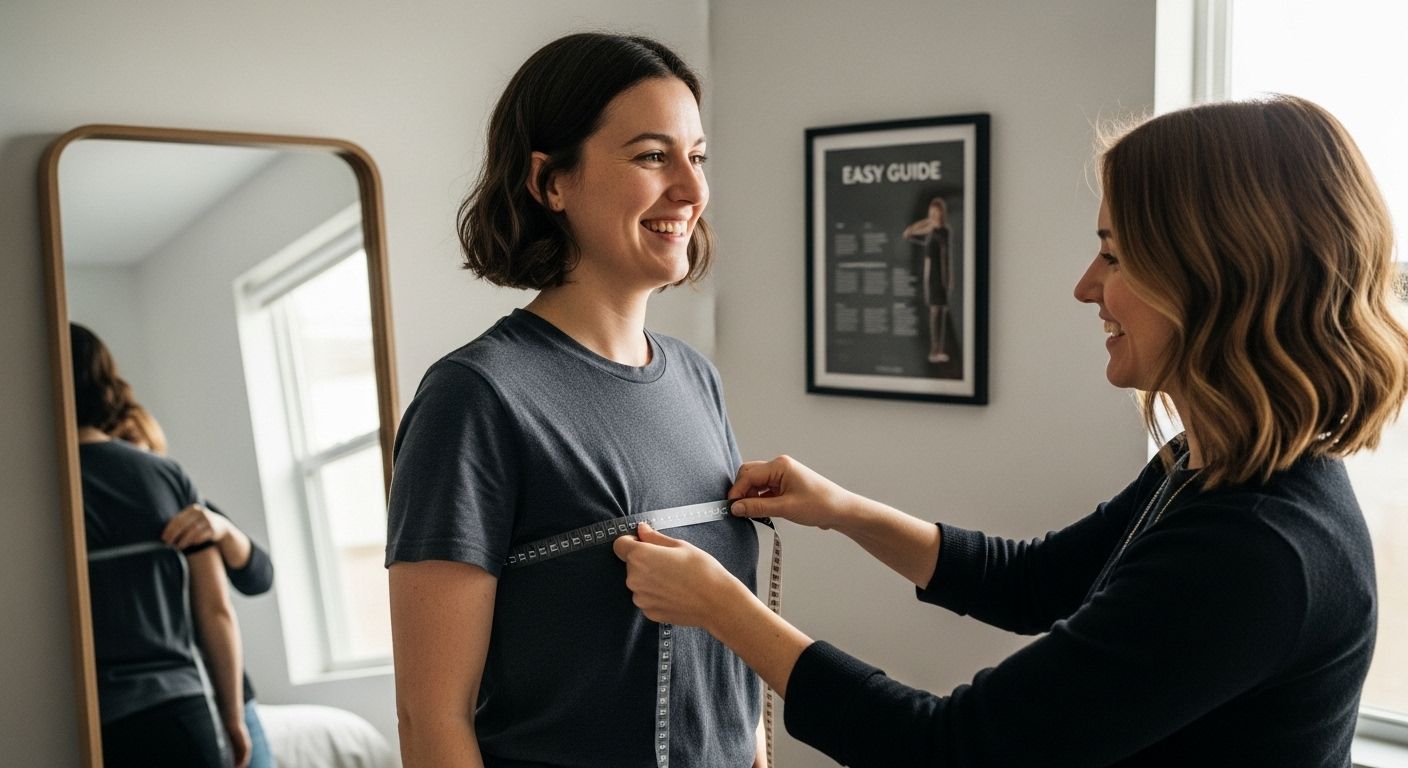
Figuring out how to measure for a jacket can feel overwhelming and surprisingly easy to get wrong. Most people assume you just need chest size and sleeve length. But actually, even a half-inch error can leave a jacket looking awkward or restricting your movement, which is why fit mistakes happen more often than you think. Getting these details right makes the difference between an okay jacket and one that feels tailored just for you.
Table of Contents
- Essential Tools And Prep For Measuring
- Step-By-Step Jacket Measurement Guide
- Common Fit Mistakes And Expert Tips
- Choosing The Right Jacket Style For Your Needs
Quick Summary
| Takeaway | Explanation |
|---|---|
| Accurate measurements are crucial. | Properly measuring your body ensures that the jacket fits comfortably and looks tailored. |
| Use flexible measuring tools. | A flexible measuring tape is essential for capturing body curves accurately during the measurement process. |
| Check shoulder and sleeve fit closely. | Ensure shoulder seams align with your natural shoulders, and sleeves should end at your wrist bone for a polished look. |
| Account for layering and mobility. | When trying on jackets, test wearability with layers and perform movement checks to ensure comfort. |
| Choose a jacket that reflects your style. | Select a jacket that not only fits well but also aligns with your personal fashion preferences and lifestyle needs. |
Essential Tools and Prep for Measuring
Measuring for a jacket requires precision and the right tools. Accurate measurements are the foundation of finding a perfectly fitting jacket that looks and feels great. Before you start, gathering the essential tools and preparing yourself properly will ensure you capture the most reliable body measurements.
Measuring Tools You’ll Need
To get started, you’ll want to assemble a few key tools that professionals and tailors rely on. According to EduDelightTutors, the most critical tools for taking body measurements include:
- Flexible Measuring Tape: A soft, retractable measuring tape is essential. Choose one made of fabric or flexible material that can easily wrap around body curves.
- Mirror: A full-length mirror helps you check your posture and ensure the tape is positioned correctly.
- Fitted Clothing: Wear form-fitting clothing or undergarments to get the most accurate measurements without extra fabric interference.
Additionally, BrainKart recommends having a hard ruler or meter scale nearby for double-checking specific measurements and ensuring precise recording.
Preparation Steps for Accurate Measurements
Here’s a summary table to help you quickly understand which measuring tool or preparation step is used for what purpose when sizing yourself for a jacket:
| Tool or Step | Purpose |
|---|---|
| Flexible Measuring Tape | Accurately measures body curves and jacket dimensions |
| Mirror | Ensures proper tape placement and correct posture |
| Fitted Clothing | Reduces bulk, aids in obtaining precise body measurements |
| Well-lit Area & Flat Surface | Improves visibility and accuracy while standing naturally |
| Pen and Paper or Digital Device | Records every measurement immediately for reference |
| Helper (if available) | Provides assistance for hard-to-reach spots, improves accuracy |
This table outlines each tool or prep step and why it matters for an accurate jacket measurement process.
Preparing yourself and your environment is just as important as having the right tools. Start by finding a well-lit area with enough space to move comfortably. Stand on a flat surface and maintain a natural, relaxed posture. Avoid sucking in your stomach or standing too rigidly, as this can distort your actual body measurements.
The National FFA Organization emphasizes the importance of proper body positioning. Keep your arms slightly away from your body and stand with your feet shoulder-width apart. This position allows the measuring tape to follow your body’s natural contours without being too tight or too loose.
Before taking measurements, ensure you have a pen and paper or a digital device ready to record each measurement immediately. Double-check that your measuring tape is pulled snug but not compressed against your body. The tape should rest flat against your skin without creating indentations or hanging loosely.
Pro tip: If possible, have someone help you take measurements. A second pair of hands can ensure the tape is straight and positioned correctly, especially for hard-to-reach areas like the back and shoulders. If you’re measuring yourself, use mirrors to verify the tape’s alignment and maintain a consistent stance.
Remember that jacket measurements typically include chest, waist, shoulder width, sleeve length, and overall body length. Each measurement plays a crucial role in finding a jacket that fits perfectly and looks tailored to your unique body shape. Taking your time and being meticulous during this preparation stage will pay off when you finally try on a jacket that feels like it was made just for you.
Step-by-Step Jacket Measurement Guide
Finding the perfect jacket fit requires a systematic approach to taking precise body measurements. Understanding how to measure each part of your body accurately will help you select a jacket that not only looks great but feels comfortable. Check our comprehensive sizing guide to ensure you get the most accurate measurements possible.
Chest and Torso Measurements
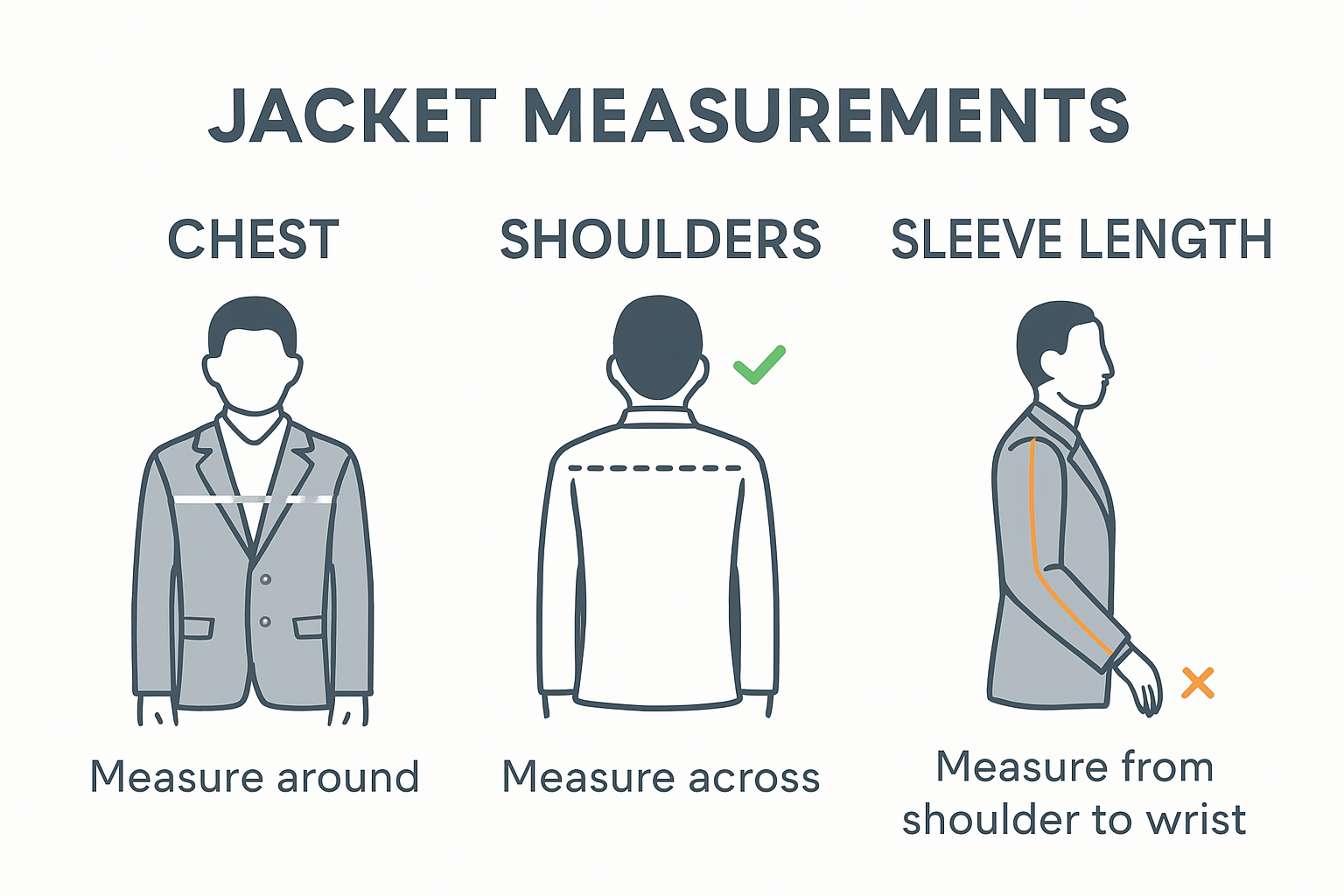
The chest measurement is fundamental in determining your jacket size. According to Tailoring Techniques Institute, start by standing straight with your arms relaxed at your sides. Wrap the measuring tape around the fullest part of your chest, typically just under the armpits and across the shoulder blades. Ensure the tape is level and not too tight or too loose. Take a normal breath and measure at the point of maximum circumference.
For the torso length, measure from the base of your neck down to where you want the jacket to end. This varies depending on the jacket style. A bomber jacket will sit differently from a long trench coat. Pro tip: Add a slight buffer of 1-2 inches to allow for comfortable movement and layering.
Sleeve and Shoulder Measurements
Sleeve measurements are critical for a well-fitting jacket. According to Clothing Fit Experts, start at the center back of your neck, then measure over the shoulder and down the arm to the wrist. Keep your arm slightly bent to ensure natural movement. The ideal sleeve length should allow a small break at the wrist when your arms are at your sides.
For shoulder width, measure from the outer edge of one shoulder to the other, across the back. This measurement is crucial because an ill-fitting shoulder can make an entire jacket look awkward. The seam of the jacket shoulder should align precisely with your natural shoulder point. If the shoulder seam droops or sits too high, the jacket will not look tailored.
Additional Critical Measurements
To simplify the jacket measurement process, here is a step-by-step table outlining each key measurement, what it captures, and a brief description of how to take it:
| Measurement | What It Captures | How to Measure |
|---|---|---|
| Chest | Widest part of the torso | Wrap tape under armpits and across shoulder blades; stand straight, breathe naturally |
| Torso Length | Jacket’s vertical coverage | Measure from base of neck down to desired jacket end point |
| Sleeve Length | Proper arm coverage | Start at center back of neck, over shoulder, down arm to wrist; arm relaxed and slightly bent |
| Shoulder Width | Shoulder seam alignment | Measure straight across back from edge of one shoulder to the other |
| Waist | Fit at midsection | Wrap tape at natural waist (narrowest point above navel), measure without compressing |
Refer to this table during measurement to ensure you don’t miss any key step for a tailored jacket fit.
Beyond the primary measurements, consider a few additional factors. Measure your waist at its narrowest point, typically just above the belly button. This helps in selecting jackets with a more tailored or relaxed fit. For those interested in motorcycle or leather jackets, pay special attention to arm mobility and overall jacket length.
Remember that different jacket styles require slightly different measurement approaches. A slim-fit leather jacket will have different measurement priorities compared to a loose winter coat. Always refer to the specific sizing chart of the jacket style you’re interested in.
Taking measurements can feel technical, but it becomes easier with practice. If possible, have someone help you measure to ensure accuracy. Use a flexible measuring tape and wear thin, form-fitting clothing to get the most precise results. Double-check each measurement and record them carefully to find your perfect jacket fit.
Common Fit Mistakes and Expert Tips
Choosing the right jacket involves more than just taking accurate measurements. Even with precise sizing, several common mistakes can prevent you from achieving the perfect fit. Understanding these pitfalls will help you select a jacket that not only looks great but feels comfortable and enhances your overall appearance.
Shoulder and Sleeve Fit Fundamentals
The shoulder area is critical in determining a jacket’s overall fit. According to Yale University’s Fashion Guide, the shoulder seams should align precisely with your natural shoulder points. A common mistake is selecting a jacket where the shoulder seams extend beyond or fall short of your actual shoulder line. This misalignment can make the entire jacket look ill-fitting and uncomfortable.
Sleeve length is another crucial aspect many people overlook. The ideal sleeve should end at your wrist bone, allowing a slight break when your arms are at your sides. New Mexico State University’s Clothing Experts recommend using a non-stretchable tape measure and taking measurements over well-fitting undergarments to ensure accuracy. A sleeve that’s too long can look sloppy, while one that’s too short will make you appear disproportionate.
Layering and Mobility Considerations
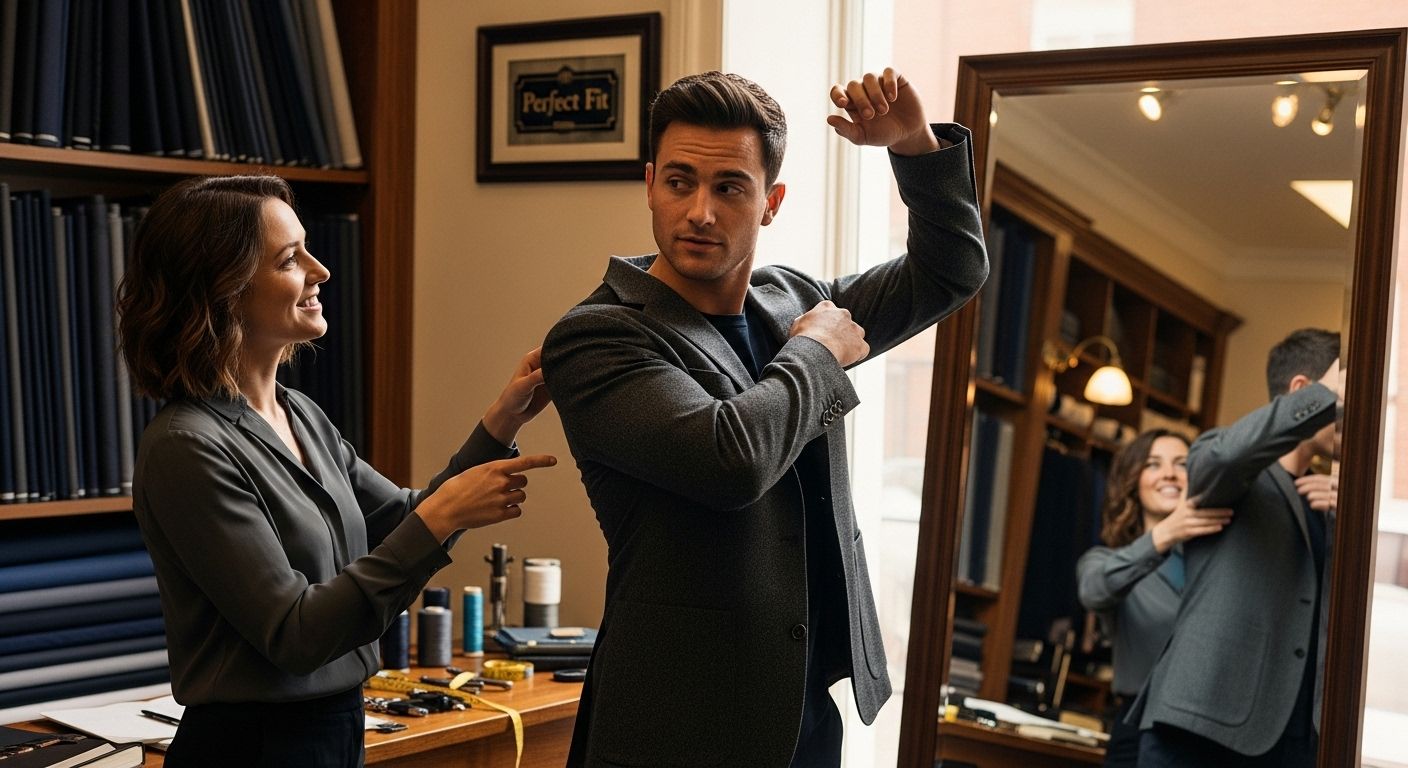
One of the most overlooked aspects of jacket fitting is considering layering potential. A perfectly fitted jacket should provide enough room for a sweater or light layer underneath without feeling restrictive. When trying on a jacket, perform a few simple mobility tests. Raise your arms, stretch forward, and move around to ensure the jacket allows comfortable movement.
Pay attention to the jacket’s chest and waist area. The jacket should lightly skim your body without creating excessive fabric bunching or pulling. If you notice significant tension across the chest or difficulty buttoning the jacket, it’s likely too small. Conversely, if the jacket looks baggy or creates large folds of fabric, it’s probably too large.
Advanced Fitting Tips and Adjustments
Experts recommend considering your body type when selecting a jacket. Different styles complement different physiques. For instance, individuals with broader shoulders might benefit from structured jackets that provide a balanced silhouette. Those with a more athletic build could opt for slightly tapered designs that highlight their physique.
Remember that jacket sizing can vary between brands and styles. Always try on a jacket and move around to test its fit. Some minor alterations can transform an almost-perfect jacket into your ideal piece. Many tailors can make small adjustments to sleeve length, take in the waist, or adjust shoulder padding to create a more personalized fit.
A pro tip is to wear the type of clothing you’ll typically layer under the jacket when trying it on. This ensures you get an accurate sense of how the jacket will look and feel in real-world conditions. Don’t be afraid to size up or down slightly if a jacket is close to fitting perfectly.
Ultimately, the right jacket should make you feel confident and comfortable. It should enhance your natural body shape without restricting movement or creating unflattering lines. Take your time, be patient with the fitting process, and don’t hesitate to seek professional advice if you’re unsure about a particular fit.
Choosing the Right Jacket Style for Your Needs
Selecting the right jacket goes far beyond measurements. Your jacket is a statement piece that reflects your personal style, lifestyle, and practical needs. Explore our comprehensive style guide to discover the perfect jacket that matches your unique personality and requirements.
Lifestyle and Functional Considerations
Your jacket choice should align with your daily activities and environment. According to Urban Fashion Institute, different jacket styles serve distinct purposes beyond mere fashion. A motorcycle enthusiast will have very different jacket requirements compared to a corporate professional or outdoor adventurer.
For professional settings, structured blazers and tailored leather jackets provide a polished appearance. These styles typically feature clean lines, minimal embellishments, and neutral colors that seamlessly transition between office and evening environments. Leather bomber jackets or sleek trench coats can elevate a business casual wardrobe while maintaining a sophisticated edge.
Outdoor enthusiasts and adventure seekers require jackets with enhanced functionality. Look for designs with additional features like weatherproof materials, multiple pockets, adjustable cuffs, and breathable fabrics. These technical aspects ensure your jacket performs well in various environmental conditions while maintaining a stylish aesthetic.
Body Type and Personal Style Alignment
Understanding your body type is crucial in selecting a flattering jacket style. According to Fashion Anatomy Research Center, different jacket cuts complement various body shapes:
- Athletic Build: Structured jackets with slight tapering highlight muscular physiques
- Slim Frame: Fitted bomber or motorcycle jackets create visual volume
- Broader Shoulders: Straight-cut or slightly relaxed jackets provide balanced proportions
- Shorter Stature: Cropped jackets and those with vertical design elements create an elongated silhouette
Personal style plays an equally important role. Your jacket should not just fit well but also resonate with your individual aesthetic. Whether you prefer classic leather designs, vintage-inspired looks, or contemporary minimalist styles, choose a jacket that makes you feel confident and authentic.
Material and Seasonal Considerations
The following table summarizes how different jacket styles align with lifestyle, body type, and functional needs discussed earlier:
| Jacket Type | Ideal For | Key Features/Considerations |
|---|---|---|
| Structured Blazer | Professional settings | Polished look, clean lines, versatile color |
| Leather Bomber/Motorcycle | Business casual, athletic build | Slightly tapered, visual volume, modern style |
| Outdoor/Technical Jacket | Adventurers, outdoor use | Weatherproof, pockets, adjustable, practical |
| Cropped/Casual Jacket | Shorter stature, everyday wear | Vertical elements, creates elongated silhouette |
| Wool/Heavy Jacket | Cold weather, winter | Warmth, substantial material, layering possible |
Use this table to match jacket types with your personal needs, style preferences, and environment.
The jacket’s material dramatically influences its performance and appearance. Leather jackets offer durability and timeless style, perfect for multiple seasons. Lightweight cotton or denim jackets work well for spring and summer, while wool and heavy leather provide necessary warmth during colder months.
Consider your local climate and typical temperature ranges when selecting a jacket. A versatile jacket collection might include lightweight layers for mild weather and more substantial options for extreme conditions. Layering potential is another critical factor ensuring your jacket remains functional across different temperatures.
Remember that a great jacket is an investment. Prioritize quality construction, comfortable fit, and a style that genuinely reflects your personality. Don’t be afraid to try multiple styles and seek professional advice to find your perfect jacket. The right jacket not only protects you from the elements but also serves as a powerful expression of your individual style.
How to Measure for the Perfect Fit – Men’s Jackets (Video Guide)
https://www.makerofjacket.com/size-guide-for-men/
How to Measure for the Perfect Fit – Women’s Jackets (Video Guide)
https://www.makerofjacket.com/size-guide-for-women/
Frequently Asked Questions
How do I measure my chest for a jacket?
To measure your chest, stand straight and wrap a flexible measuring tape around the fullest part of your chest, just under your armpits. Make sure the tape is level and not too tight, then take the measurement while breathing normally.
What is the importance of measuring sleeve length for a jacket?
Measuring sleeve length ensures the jacket fits properly at the arms. To measure, start at the center back of your neck, measure over the shoulder, and down the arm to the wrist with a slight bend in your elbow for natural movement.
Why is it important to consider waist and torso length when measuring for a jacket?
The waist measurement helps ensure a comfortable fit around your midsection, while the torso length determines how far down the jacket will fall. Both measurements contribute to a tailored look and comfortable fit, especially when layering clothing underneath.
Can I measure for a jacket by myself, or do I need help?
While you can measure yourself, having a friend assist you can make the process more accurate. A second person can help with hard-to-reach areas and ensure the measuring tape is straight. Mirrors can also be useful for checking alignment if measuring alone.
Ready for the Perfect-Fit Jacket? Discover Made-to-Order Solutions
After learning how small measuring mistakes can affect jacket comfort and style, you deserve an upgrade that takes the guesswork out of shopping for outerwear. Maybe you have struggled with jackets that never seem to fit just right, no matter how carefully you follow size charts. With Maker of Jacket’s collection, you can apply your new measuring skills and get jackets built for you.
Do not settle for a jacket that almost fits or leaves you feeling restricted. Explore https://www.makerofjacket.com now for easy customization options on premium biker, bomber, or fashion jackets. Whether you want classic leather or something bold and personal, you can order your next favorite jacket with your exact measurements for a flawless finish. Take action today to experience what a truly personalized fit feels like.


