

How to Remove Jacket Stains: Expert Tips for Fashion Lovers

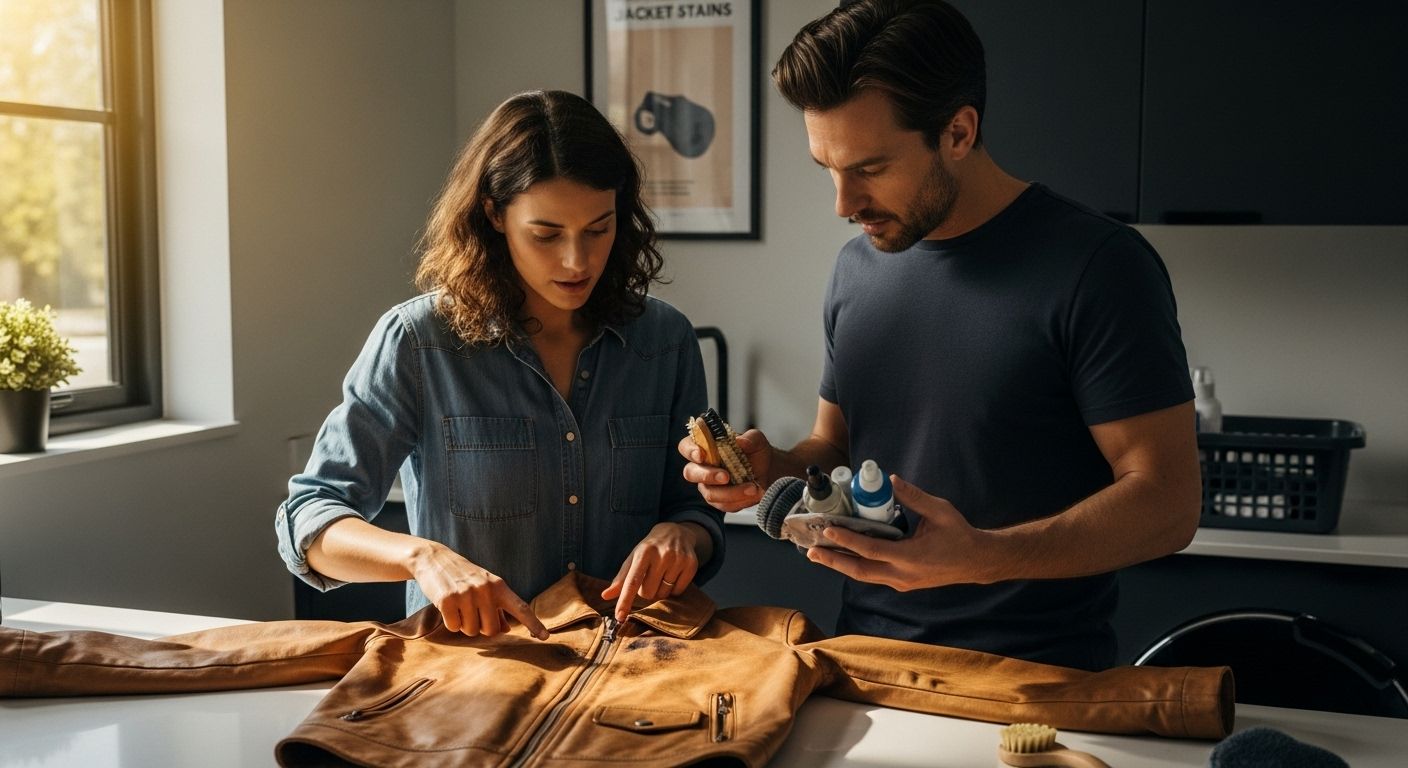
Jackets get dirty fast and the wrong stain can ruin your favorite piece in seconds. You might think a quick wash is all it takes, but treating leather with too much water or harsh chemicals can cause irreversible damage, costing hundreds to repair or replace. The real trick is that knowing which stains need special tactics can actually save your jacket and your wallet.
Table of Contents
- Identifying Common Jacket Stains
- Safe Cleaning Methods For Leather And Denim
- Care Tips For Themed And Custom Jackets
- Pro Tips For Lasting Stain Protection
Quick Summary
| Takeaway | Explanation |
|---|---|
| Identify the type of stain | Recognizing whether a stain is organic, synthetic, or environmental helps choose the correct cleaning method. |
| Use gentle cleaning for leather | Clean leather jackets with minimal moisture and avoid harsh chemicals to maintain their quality and appearance. |
| Turn denim jackets inside out | Washing denim inside out prevents color fading and protects the fabric surface during cleaning. |
| Apply stain repellents proactively | Using water and stain repellents creates a protective barrier, reducing the risk of stubborn stains forming on your jacket. |
| Have an emergency stain kit | Keep a small kit with necessary cleaning supplies for immediate attention to accidents, minimizing permanent stains. |
Identifying Common Jacket Stains
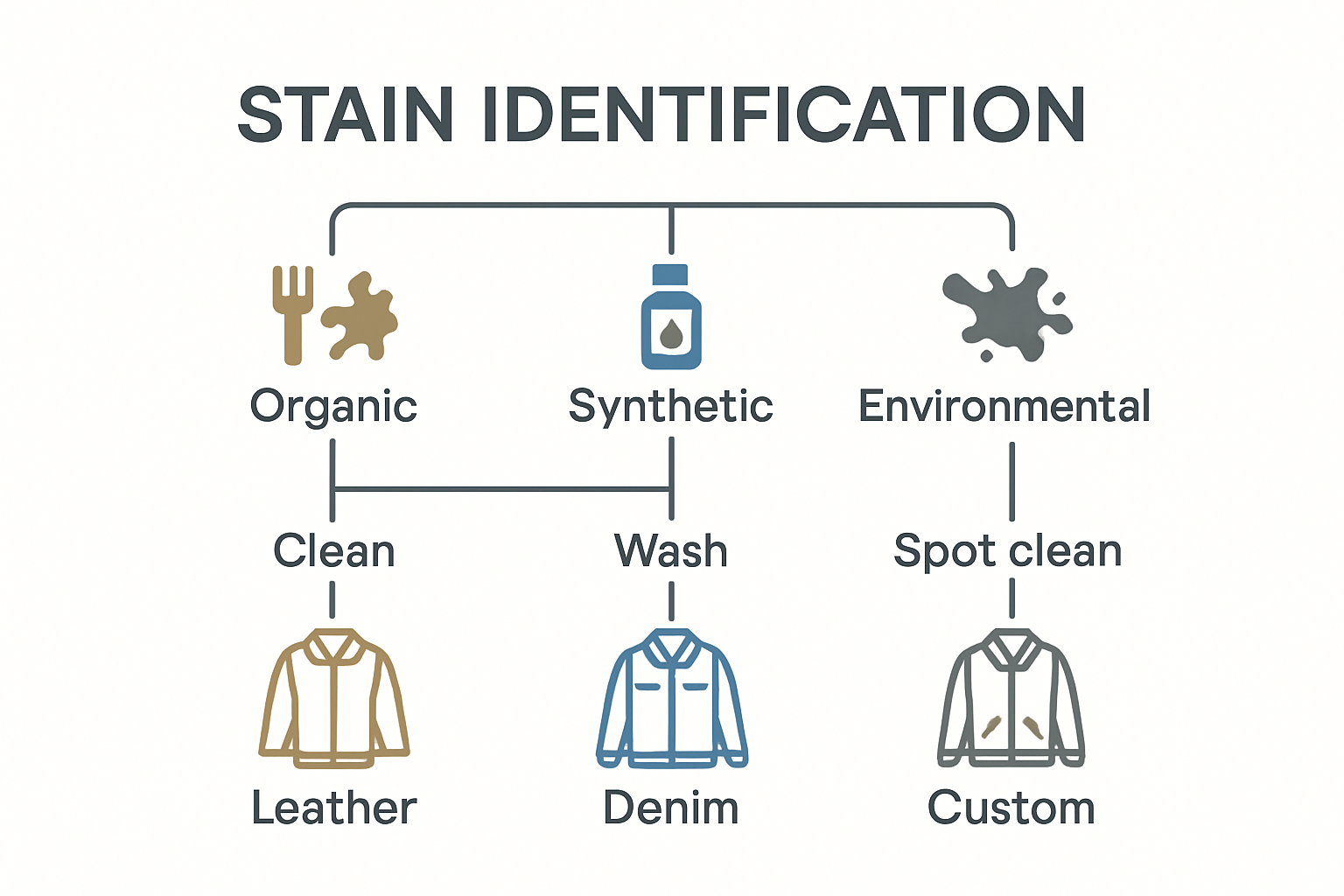
Understanding the type of stain on your jacket is crucial for effective removal. Different stains require specific treatment approaches, and mistaken cleaning methods can permanently damage your favorite garment. The comprehensive stain removal guide can help you navigate these challenges.
Types of Organic Stains
Organic stains are among the most common challenges jacket owners face. According to the Ohio State University Extension, these stains originate from natural sources and can be particularly tricky to remove. Food, sweat, blood, and grass stains fall into this category. Each organic stain has unique characteristics that determine the most effective removal strategy.
Food stains typically penetrate fabric fibers quickly, creating dark or greasy marks. Sweat stains often appear yellowish on lighter jackets, especially around collar and underarm areas. Grass stains contain chlorophyll pigments that bond strongly with fabric, making them notoriously difficult to eliminate.
Chemical and Synthetic Stains
Synthetic stains present a different set of challenges for jacket maintenance. Ink, oil, grease, and paint represent complex molecular structures that require specialized treatment. These stains can rapidly spread and set into fabric if not addressed immediately.
Ink stains, for instance, contain pigments and solvents that quickly permeate fabric fibers. Grease and oil stains create dark, translucent marks that can permanently discolor leather and fabric jackets. Paint stains vary depending on their composition water-based, oil-based, or acrylic each demanding a unique removal approach.
Environmental and Accidental Stains
Environmental factors contribute significantly to jacket staining. Mud, dust, automotive fluids, and environmental pollutants can create stubborn marks that compromise your jacket’s appearance. These stains often result from everyday activities like commuting, outdoor work, or unexpected accidents.
Mud stains contain a mixture of soil, organic matter, and moisture that can deeply penetrate fabric. Automotive fluids like motor oil, transmission fluid, and brake fluid create particularly challenging stains that require immediate and precise treatment. Understanding the origin and composition of these stains is the first step toward successful removal.
Recognizing the specific type of stain on your jacket allows you to select the most appropriate cleaning method, minimizing potential fabric damage and increasing the likelihood of complete stain removal. Always approach stain treatment with patience, careful observation, and a systematic strategy.
Here is a comparison table summarizing how to treat the most common types of jacket stains, including their typical sources and key removal tips. This helps readers quickly match stain types with recommended actions.
| Stain Type | Common Sources | Key Characteristics | Recommended Removal Approach |
|---|---|---|---|
| Food | Sauces, beverages, oils | Dark/greasy marks, penetrate quickly | Blot immediately, use mild soap on fabric |
| Sweat | Body perspiration | Yellowish marks, often at collars/underarms | Cold water, mild detergent, spot clean |
| Grass | Outdoor activities | Green tint, bonds to fibers | Pre-treat with stain remover, cold water wash |
| Ink | Pens, markers | Spreads quickly, pigmented | Blot, apply alcohol-based cleaner to fabric only |
| Grease/Oil | Food, automotive, body oils | Dark, translucent, spreads easily | Sprinkle cornstarch/talcum, brush off, repeat |
| Paint | Home improvement, crafts | Varies: water, oil, acrylic based | Act fast, use suitable paint remover for fabric |
| Mud | Outdoor, environmental | Brown, can deeply penetrate | Let dry, brush off, spot clean |
| Automotive Fluids | Motor/tranmission/brake oil | Dark, sticky, staining intense fabrics | Blot, apply absorbent powder, avoid water on leather |
Safe Cleaning Methods for Leather and Denim
Cleaning leather and denim jackets requires specialized techniques to preserve their quality and appearance. Understanding the unique properties of these fabrics is essential for maintaining their longevity and aesthetic appeal. Our comprehensive cleaning guide offers detailed insights into fabric-specific care.
Leather Jacket Cleaning Techniques
Leather demands careful and gentle treatment to prevent damage and maintain its natural luster. According to the Ohio State University Extension, the key to successful leather care is using minimal moisture and avoiding harsh chemicals. Begin by removing surface dust with a soft, dry cloth. For minor stains, use a slightly damp cloth with mild soap specifically designed for leather.
Grease and oil stains require special attention. Sprinkle cornstarch or talcum powder on the affected area to absorb excess oil. Let it sit for several hours before gently brushing away the powder. Avoid rubbing the stain, as this can spread it and drive it deeper into the leather fibers. Professional leather cleaners recommend using a specialized leather cleaner for stubborn or set-in stains.
Denim Jacket Maintenance
Denim jackets present a different set of cleaning challenges. Unlike leather, denim can typically withstand more robust cleaning methods. However, improper washing can cause color fading, fabric weakening, and shape distortion. Always turn the jacket inside out before washing to protect the outer surface and preserve the color intensity.
For light stains, spot cleaning works best. Use a mixture of mild detergent and cold water, applying it gently with a soft cloth. Avoid using bleach or harsh chemicals that can damage the fabric’s color and texture. For more extensive cleaning, machine wash on a gentle cycle with cold water, using a detergent specifically formulated for dark or colored clothing.
Protective Treatments and Prevention
Prevention is the most effective strategy for maintaining jacket quality. Apply a water and stain repellent specifically designed for leather or denim to create a protective barrier against potential stains. For leather jackets, regular conditioning helps maintain flexibility and prevents cracking. Denim jackets benefit from occasional gentle brushing to remove surface dust and maintain fabric appearance.
Store jackets in a cool, dry place away from direct sunlight. Use padded hangers for leather jackets to maintain their shape, and avoid overcrowding in closets. For denim, fold or hang loosely to prevent unnecessary stress on the fabric.
By adopting these careful cleaning and maintenance techniques, you can significantly extend the life of your leather and denim jackets, keeping them looking pristine and professional for years to come. Remember that each jacket is unique, and always test cleaning methods on a small, inconspicuous area first.
This table summarizes safe cleaning and maintenance approaches for leather and denim jackets, allowing readers to quickly see best practices for care and important do’s and don’ts.
| Fabric Type | Cleaning Method | Key Do’s | Important Don’ts |
|---|---|---|---|
| Leather | Spot clean; minimal water | Use mild/ leather-specific cleaners; blot stains; condition regularly | Do not drench in water, avoid harsh chemicals, don’t rub stains |
| Denim | Gentle machine or hand wash | Turn inside out, use cold water, spot clean with mild detergent | Avoid bleach, harsh chemicals, or high heat; don’t overload machine |
Care Tips for Themed and Custom Jackets
Themed and custom jackets represent a significant investment in personal style and often carry unique sentimental or artistic value. Their specialized design and materials require more nuanced care and maintenance strategies. Learn more about specialized jacket care to preserve these unique garments.
Material-Specific Preservation Techniques
Custom jackets frequently incorporate diverse materials like embroidered patches, specialized fabric prints, unique leather treatments, and intricate graphic designs. Each material demands specific cleaning and preservation approaches to maintain its original appearance and structural integrity.
Embroidered and patched jackets require gentle handling. Avoid using harsh washing techniques that could damage delicate stitching or cause patch edges to fray. Hand washing with mild detergent and cold water is typically recommended. For leather-based custom jackets with unique finishes, use specialized leather cleaners that protect both the base material and any decorative elements.
Protecting Graphic and Printed Designs
Graphic and printed themed jackets present unique challenges in stain removal and maintenance. These designs can be particularly vulnerable to color bleeding, fading, and chemical damage. When cleaning, turn the jacket inside out to protect the exterior graphic. Use color-safe, mild detergents and avoid direct heat or prolonged sun exposure.
For jackets featuring complex graphic designs, spot cleaning is often the safest approach. Use a soft, white cloth dampened with minimal water and gentle cleaning solution. Blot stains rather than rubbing, which can cause graphic elements to blur or deteriorate. Always test cleaning solutions on an inconspicuous area first to ensure they do not interact negatively with the jacket’s specialized design.
Storage and Long-Term Preservation
Proper storage is critical for maintaining the quality of themed and custom jackets. Use padded hangers that support the jacket’s shape without causing stress on shoulder areas. Store in a cool, dry environment away from direct sunlight, which can cause color fading and material degradation.
Consider using breathable garment bags for additional protection, especially for jackets with delicate embellishments or unique fabric treatments. Avoid plastic covers that can trap moisture and potentially cause mildew or fabric damage. For leather or suede custom jackets, use acid-free tissue paper to help maintain shape and absorb potential moisture.
Specialized jackets often represent more than just clothing they are personal statements and potential collector’s items. By implementing careful, material-specific cleaning and storage techniques, you can preserve these unique garments, maintaining their visual appeal and structural integrity for years to come. Regular, gentle maintenance is key to ensuring your themed and custom jackets continue to look as remarkable as the day you first acquired them.
Pro Tips for Lasting Stain Protection
Protecting your jacket from potential stains requires a proactive and strategic approach. Prevention is always more effective than attempting to remove stubborn marks after they have set in. Explore our comprehensive jacket protection strategies to keep your favorite outerwear looking pristine.
Preventative Coating and Treatment Techniques
Advanced fabric protection technologies offer innovative solutions for creating invisible barriers against potential stains. Applying specialized water and stain-repellent sprays creates a microscopic protective layer that prevents liquids and oils from penetrating fabric fibers. These treatments work by creating a hydrophobic surface that causes liquids to bead up and roll off instead of absorbing into the material.
Select treatments specifically designed for your jacket’s fabric type. Leather jackets require different protective sprays compared to denim or synthetic materials. Silicone-based protectants work well for leather, while water-based solutions are more suitable for fabric jackets. Always test the product on a small, inconspicuous area first to ensure compatibility and prevent potential discoloration.
Strategic Clothing Maintenance Practices
Beyond chemical treatments, practical clothing maintenance plays a crucial role in stain prevention. Develop a habit of being mindful of your jacket’s environment and potential stain risks. When dining, consider removing your jacket or using protective covers. In outdoor settings, be aware of surfaces that might transfer dirt or grease.
Consider investing in specialized garment accessories like removable protective sleeves or temporary covers for high-risk environments. These can provide an additional layer of protection during activities with a high likelihood of accidental staining. Professional jackets and collectors often use these strategies to maintain their garments’ pristine condition.
Emergency Stain Response Strategies
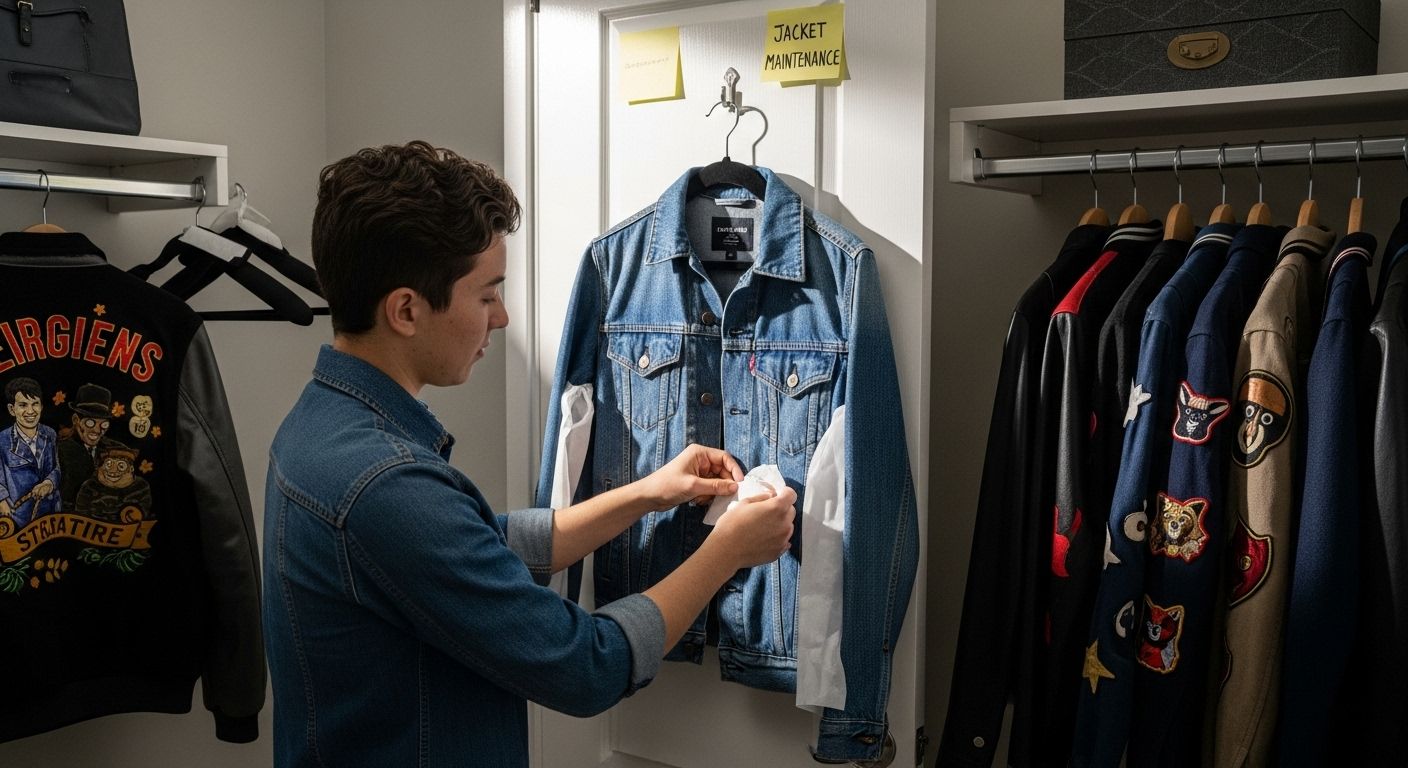
Despite best prevention efforts, accidents can happen. Developing a rapid response strategy is essential for minimizing potential permanent staining. Keep a compact stain removal kit tailored to your jacket’s specific material. This kit should include clean white cloths, specialized stain removal solutions, and absorption materials like cornstarch or talcum powder.
Immediate action is critical when a stain occurs. Blot rather than rub the affected area, as rubbing can drive the stain deeper into fabric fibers. For oil-based stains, use cornstarch to absorb excess liquid before attempting further cleaning. Always work from the outside of the stain toward the center to prevent spreading.
Understanding your jacket’s specific material composition is the foundation of effective stain protection. Different fabrics react uniquely to stains and cleaning methods. By combining preventative treatments, strategic maintenance, and quick emergency responses, you can significantly extend your jacket’s lifespan and maintain its original aesthetic appeal.
Remember that no single approach guarantees complete stain protection. Consistent care, mindful wearing practices, and prompt attention to potential stains are your best defense in preserving your jacket’s quality and appearance.
Frequently Asked Questions
How can I identify the type of stain on my jacket?
Recognizing the type of stain is crucial for effective removal. Common types include organic stains (like food or sweat), chemical stains (like ink or grease), and environmental stains (like mud or oil). Each requires a different treatment approach.
What are the best cleaning methods for leather jackets?
For leather jackets, use a soft, dry cloth to remove dust, and a slightly damp cloth with mild soap for minor stains. Avoid excessive moisture and harsh chemicals to prevent damage.
How can I prevent stains on my denim jacket?
To prevent stains on denim jackets, consider applying a water and stain repellent designed for fabric. Additionally, turning the jacket inside out before washing helps preserve its color and surface integrity.
What should I include in an emergency stain removal kit for jackets?
An effective emergency stain removal kit should include clean white cloths, specialized stain removal solutions, and absorbent materials like cornstarch or talcum powder. This allows for quick action to minimize potential stains.
Ready to Upgrade After a Stain Disaster? Discover Jackets That Resist Real Life
Struggling with tough stains and tired of worrying about damaging your favorite outerwear? If cleaning hacks are not enough to save your current jacket, it might be time to invest in a piece that blends style, stain resistance, and easy care. Explore our Maker of Jacket’s collection where you will find the latest designs created to handle everyday wear and unpredictable accidents. Many customers choose our premium materials because they are easier to clean and maintain, giving you peace of mind when spills and splashes happen.

Don’t let the fear of future stains hold you back from expressing your style. Visit https://www.makerofjacket.com today and enjoy browsing a wide range of options designed for stain-conscious fashion lovers. With detailed care guides and free worldwide shipping, you can upgrade your jacket game with confidence. Check out the collection now and experience the difference mindful craftsmanship makes.


