

How to Spot Genuine Leather: Easy Expert Guide

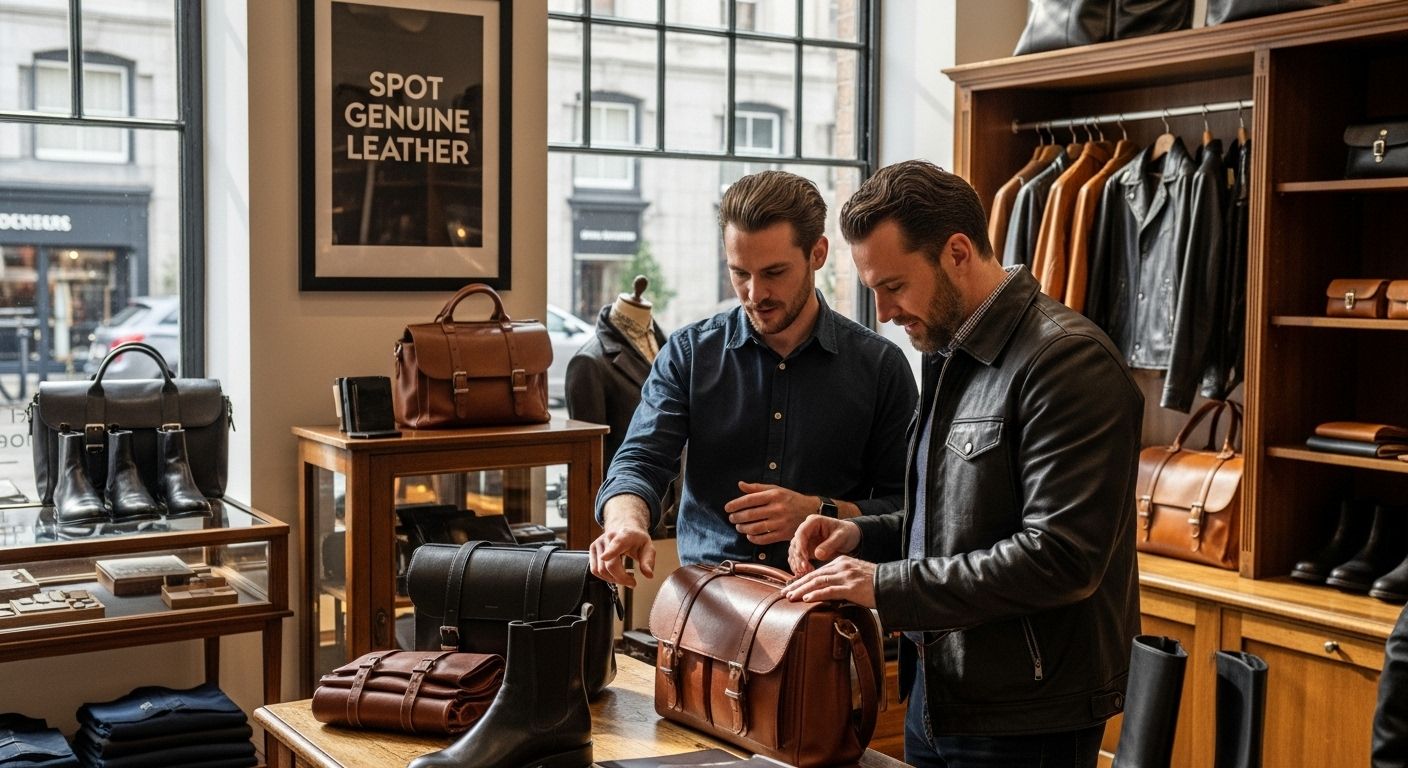
Everyone wants that classic leather look, whether it is a jacket, bag, or a pair of boots. Most people hear that real leather is the gold standard, but those store shelves are packed with fakes that almost fool the experts. Shockingly, fake leather now dominates over 60 percent of leather goods sold worldwide. The real giveaway is not what you see at first glance but what you feel, smell, and see up close—if you know how to look.
Table of Contents
- Key Signs Of Real Leather
- Common Tests To Identify Genuine Leather
- Fake Leather Vs. Real Leather: Main Differences
- Expert Advice For Fashion And Motorcycle Gear
Quick Summary
| Takeaway | Explanation |
|---|---|
| Genuine leather has distinct texture and smell | Authentic leather features unique irregularities and a rich, organic scent not found in synthetic materials. |
| Perform water absorption test for authenticity | Real leather absorbs water and darkens temporarily, while fake leather repels water and remains unchanged. |
| Examine edges and backing for fibers | Genuine leather has irregular edges and fibrous backing that synthetic leather lacks, indicating authenticity. |
| Proper maintenance extends leather longevity | Using specialized conditioners and gentle cleaning techniques helps preserve the unique characteristics of genuine leather. |
| Choose leather based on its durability and aesthetics | Genuine leather is more durable over time, developing a unique patina, in contrast to the quick degradation of synthetic options. |
Key Signs of Real Leather
Identifying genuine leather requires a keen eye and understanding of specific characteristics that distinguish authentic materials from synthetic imitations. While many consumers struggle to differentiate real leather, several reliable methods can help you confidently determine the authenticity of leather products.
Texture and Surface Characteristics
Authentic leather possesses unique textural qualities that synthetic materials cannot perfectly replicate. Learn more about leather authenticity reveals that genuine leather has an irregular, natural grain pattern with subtle imperfections. When you run your fingers across real leather, you’ll notice a complex surface with slight variations in texture. Unlike artificial leather, which feels uniform and machine-made, genuine leather displays natural markings that tell a story of its origin.
According to research from the Alaska State Library, the grain surface of authentic leather reveals natural follicle patterns that are impossible to precisely duplicate in synthetic materials. These microscopic details include small variations in grain density, subtle color gradations, and unique surface textures that reflect the animal’s original skin structure.
Smell and Flexibility Test
Genuine leather has a distinctive rich, organic smell that synthetic materials cannot replicate. When you first encounter real leather, you’ll notice a natural leather scent that is earthy and complex. Artificial leather typically smells like chemicals or plastic, lacking the depth and nuance of authentic material. Professional leather experts recommend performing a simple smell test by bringing the material close and taking a careful sniff.
Flexibility is another crucial indicator of genuine leather. Real leather will gradually soften and develop a patina over time, becoming more supple with use. When you bend genuine leather, it should fold naturally without cracking or showing artificial rigidity. Synthetic leather tends to resist bending and maintains a more rigid structure, whereas authentic leather moves and adapts like a living material.
Detailed Visual Inspection
Careful visual examination can reveal numerous signs of genuine leather. Look for natural variations in color and grain pattern that indicate authenticity. Real leather will not have perfectly uniform coloration or repeating patterns like synthetic alternatives. Examine the edges of the material closely microscopic irregularities and natural fiber structures become visible.
Authentic leather also demonstrates remarkable durability and aging characteristics. Over time, genuine leather develops a rich patina that enhances its character and value. This natural aging process creates a unique appearance that synthetic materials cannot replicate. Each piece of genuine leather tells its own story through subtle color changes and softening of texture.
Remember that purchasing from reputable sources and understanding these key indicators will help you confidently identify genuine leather products. Whether you’re shopping for a jacket, accessory, or furniture, these expert techniques will empower you to make informed decisions about leather authenticity.
Common Tests to Identify Genuine Leather
Determining the authenticity of leather requires more than casual observation. Leather enthusiasts and professionals rely on multiple practical tests to distinguish genuine leather from synthetic imitations. These methods range from simple sensory evaluations to more advanced technical assessments that provide conclusive evidence about material quality.
Physical Touch and Texture Assessment
The first line of testing involves hands-on examination. Explore our leather quality insights reveals that texture plays a critical role in leather identification. When you touch genuine leather, you’ll experience a complex, multilayered surface with natural irregularities. Real leather feels warm and slightly uneven, with subtle variations that machine-produced materials cannot replicate.
According to research from the University of Texas at Austin, experts recommend carefully examining both the front and back surfaces of the material. Authentic leather will display a fibrous texture on its reverse side, distinctly different from the smooth, uniform backing found on synthetic alternatives. This microscopic fiber structure serves as a reliable indicator of genuine leather.
Water Absorption and Breathability Test
Moisture interaction provides another sophisticated method for identifying authentic leather. Genuine leather possesses unique breathability characteristics that synthetic materials struggle to emulate. When a small droplet of water is carefully placed on the surface, real leather will gradually absorb the moisture, leaving a temporary darkened mark that dissipates naturally.
Synthetic leather, by contrast, typically repels water, causing droplets to sit on the surface or quickly roll off without penetration. This water test reveals the porous nature of authentic leather, demonstrating its organic composition. Professional leather experts recommend using this technique cautiously, applying minimal moisture to prevent potential damage to the material.
Edge and Backing Examination
Careful inspection of leather edges and backing provides definitive evidence of authenticity. Genuine leather displays natural, slightly irregular edges with visible fiber structures. When examined closely, real leather reveals layered construction with organic imperfections. Synthetic leather often shows perfectly uniform edges with clean, machine-cut appearances.
The backing of authentic leather tells its own story. While artificial leather presents a completely smooth or fabric-like reverse side, genuine leather exhibits a complex, slightly rough texture reflecting its natural origins. Microscopic examination can reveal subtle fiber arrangements and natural grain patterns that mechanical production cannot perfectly duplicate.
Understanding these testing methods empowers consumers to make informed decisions when purchasing leather products. Each technique offers unique insights into material quality, helping you distinguish between authentic leather and sophisticated imitations. Whether you’re selecting a jacket, accessory, or furniture, these expert-approved tests provide a reliable framework for identifying genuine leather.
Here’s a summary of the most common tests you can perform to identify genuine leather, what to look for, and what the results mean.
| Test Method | What to Do | Genuine Leather Result | Fake Leather Result |
|---|---|---|---|
| Texture/Touch Test | Feel surface and backing | Warm, uneven texture and fibrous backing | Smooth, uniform, cold surface |
| Smell Test | Bring material close and smell | Rich, earthy, organic aroma | Chemical or plastic smell |
| Flexibility Test | Bend/flex the material | Folds without cracking, becomes supple | Stiff, may crack; resists bending |
| Water Absorption Test | Place a drop of water on surface | Absorbs water, darkens temporarily | Water beads up, no darkening |
| Edge Inspection | Check edge and layers closely | Rough, irregular edge, visible fibers | Clean, machine-cut, no fibers |
Remember that no single test is definitive. Combining multiple assessment techniques provides the most comprehensive approach to verifying leather authenticity. Developing a discerning eye takes practice, but these methods will significantly enhance your ability to recognize genuine leather.
Fake Leather vs. Real Leather: Main Differences
Understanding the fundamental differences between genuine and fake leather is crucial for consumers seeking quality and authentic materials. While synthetic leather might appear similar at first glance, numerous critical distinctions set authentic leather apart from its artificial counterparts.
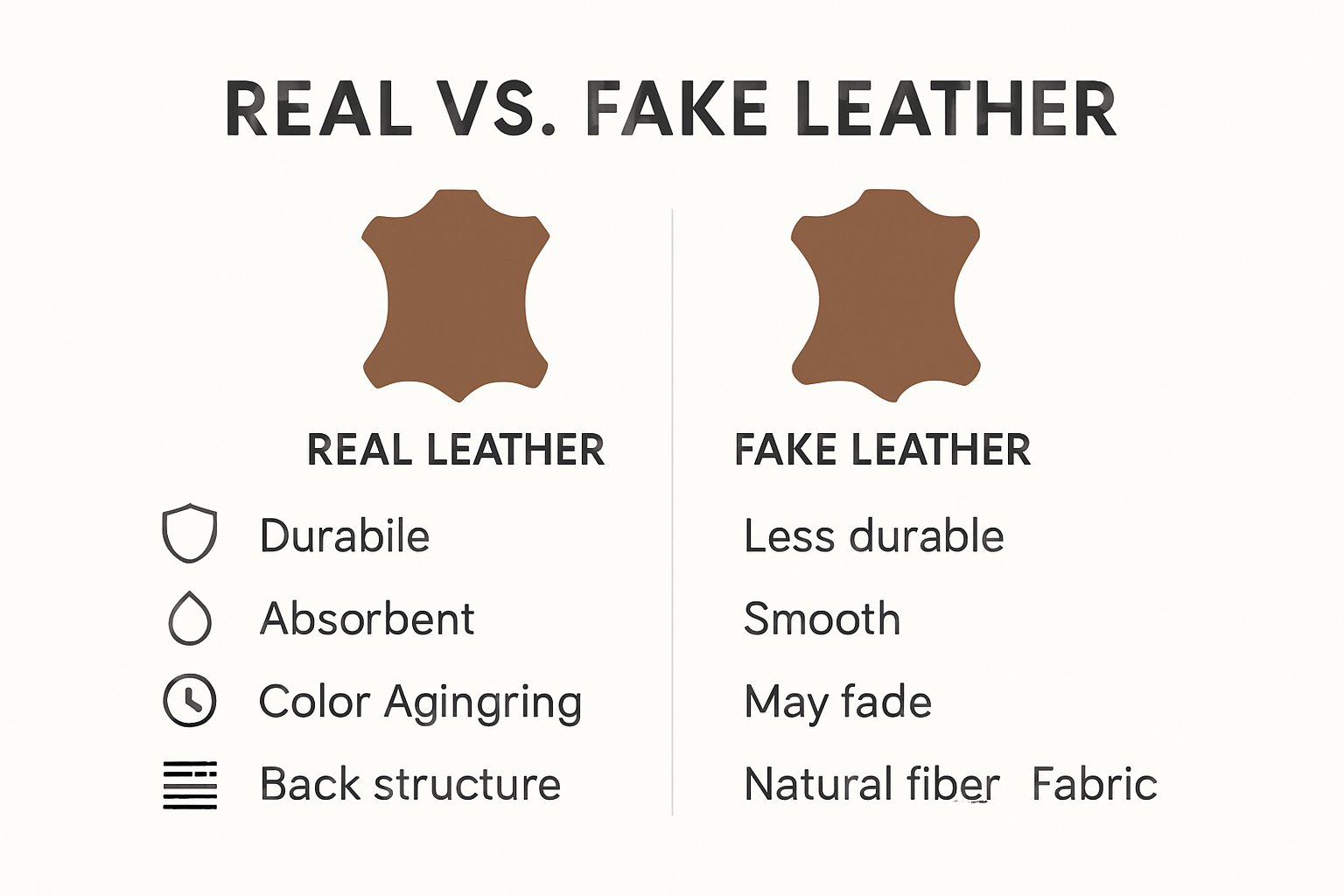
To better understand the key differences between genuine and fake leather, here’s a quick comparison based on durability, appearance, environmental impact, and longevity.
| Feature | Genuine Leather | Fake (Synthetic) Leather |
|---|---|---|
| Durability | Lasts 10-20 years with proper care | Shows degradation in 2-3 years |
| Aging Process (Patina) | Develops a unique, rich patina over time | No patina; may crack/peel |
| Surface Appearance | Natural, irregular grain and markings | Uniform, repeating patterns |
| Smell | Rich, organic, earthy scent | Chemical or plastic-like smell |
| Water Absorption | Absorbs water and darkens temporarily | Repels water; remains unchanged |
| Environmental Impact | Animal byproduct; can be sustainable | Petroleum-based; higher environmental cost |
| Backing/Edges | Fibrous, irregular backing and edges | Smooth, fabric-like, or perfectly cut |
Durability and Longevity
Explore the world of authentic leather materials reveals that genuine leather offers superior durability compared to synthetic alternatives. Real leather develops a unique patina over time, becoming more refined and characterful with age. Unlike fake leather, which tends to crack and deteriorate quickly, authentic leather can last decades when properly maintained.
Authentic leather’s molecular structure allows it to breathe and adapt to environmental conditions. The natural fibers in genuine leather provide remarkable resilience, enabling the material to withstand wear and tear more effectively than synthetic options. Professional leather experts note that high-quality genuine leather can maintain its structural integrity for 10-20 years, whereas faux leather typically shows significant degradation within 2-3 years.
Aesthetic and Sensory Characteristics
Visual and tactile differences between real and fake leather are profound. Genuine leather presents subtle, natural variations in grain and texture that machine-produced synthetic materials cannot replicate. When touched, real leather feels warm, complex, and slightly irregular, reflecting its organic origins. Synthetic leather, by contrast, maintains a uniform, almost plastic-like surface that lacks depth and character.
Color absorption and aging processes further distinguish authentic leather. Real leather develops a rich, nuanced color palette that evolves gracefully over time. Fake leather typically features uniform, unchanging coloration that appears artificial and lacks the organic depth found in genuine materials. The way light interacts with real leather creates subtle variations and a rich visual texture impossible to achieve with synthetic alternatives.
Environmental and Ethical Considerations
Beyond aesthetic qualities, genuine and fake leather differ significantly in environmental impact and production processes. Authentic leather, when sourced responsibly, represents a byproduct of the meat industry, utilizing materials that would otherwise be discarded. Synthetic leather, predominantly made from petroleum-based plastics like polyurethane, generates considerably more environmental waste and relies on non-renewable resources.
The production of genuine leather involves complex traditional techniques that often support local economies and traditional craftsmanship. Synthetic leather manufacturing typically involves industrial processes with higher carbon footprints. While ethical concerns exist in both leather and faux leather production, responsible sourcing can mitigate environmental and animal welfare challenges.
Consumers seeking quality materials should consider these comprehensive differences. Genuine leather offers unparalleled durability, aesthetic richness, and potential sustainability when sourced responsibly. Understanding these distinctions empowers buyers to make informed decisions about their leather purchases, balancing aesthetic preferences with practical considerations.
Remember that price often reflects quality. While synthetic leather might seem more affordable initially, the long-term value of genuine leather frequently justifies its higher upfront cost. Careful selection and proper maintenance can transform a genuine leather piece into a lasting, cherished possession that tells a unique story through its natural aging process.
Expert Advice for Fashion and Motorcycle Gear
Choosing genuine leather for fashion and motorcycle gear requires specialized knowledge that goes beyond basic material identification. Professional designers, riders, and fashion experts emphasize the critical importance of understanding leather quality, performance characteristics, and long-term value when selecting leather apparel and protective equipment.
Performance Considerations for Motorcycle Gear
Discover essential motorcycle jacket insights highlights that leather’s performance is paramount for riders seeking both protection and style. Genuine leather offers superior abrasion resistance, critical for motorcycle safety. Professional riders recommend selecting leather with a minimum thickness of 1.2-1.4 mm for optimal protection, ensuring the material can withstand potential sliding impacts during unexpected incidents.
Authentic leather’s natural properties provide exceptional breathability and temperature regulation. Unlike synthetic materials, genuine leather adapts to body temperature, creating a microclimate that keeps riders comfortable in varying weather conditions. The material’s ability to stretch and conform to body movements while maintaining structural integrity makes it ideal for motorcycle apparel that demands both flexibility and protection.
Fashion and Durability Expertise
Fashion experts emphasize that genuine leather transcends mere aesthetic appeal. The material’s ability to develop a unique patina over time transforms leather pieces from simple clothing items into personal storytelling artifacts. Each wear creates subtle changes in texture and color, making leather garments increasingly valuable and distinctive with age.
Professional stylists recommend investing in versatile leather pieces that can transition between different settings. A high-quality leather jacket, for instance, can complement both casual and semi-formal outfits, providing exceptional value. The key lies in selecting pieces with classic cuts and neutral colors that maintain timeless appeal while showcasing the material’s natural characteristics.
Maintenance and Long-Term Value
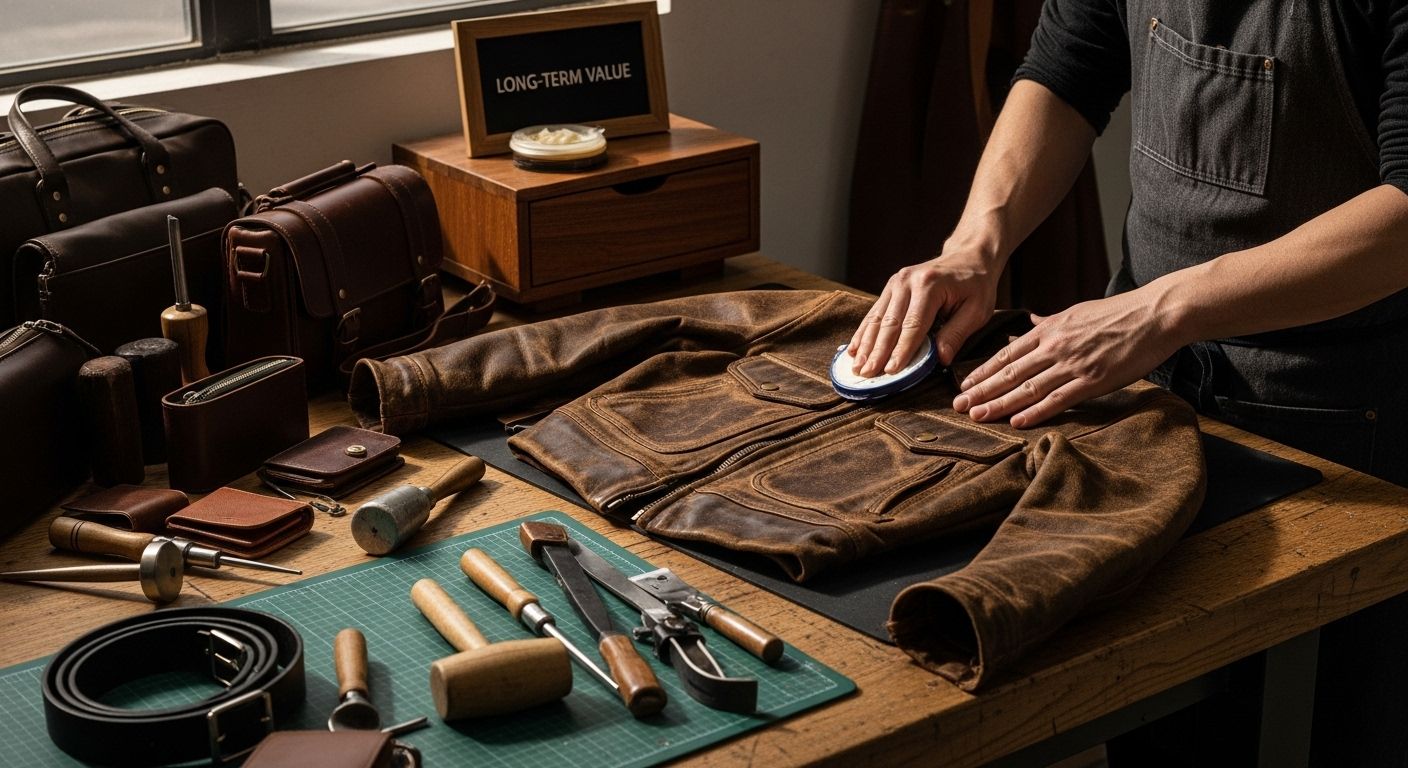
Maintaining leather requires specific techniques that preserve its natural qualities. Leather professionals advise against using harsh chemicals or excessive water when cleaning. Instead, they recommend specialized leather conditioners that replenish natural oils and prevent material degradation. Regular, gentle maintenance can extend a leather garment’s lifespan significantly, transforming it from a simple clothing item into a long-term investment.
For motorcycle gear, maintenance becomes even more critical. Experts suggest periodic professional cleaning and conditioning, especially after exposure to harsh environmental conditions. Proper storage in cool, dry environments away from direct sunlight helps preserve leather’s structural integrity and protective qualities.
Understanding leather’s nuanced characteristics empowers consumers to make informed decisions. Whether selecting a motorcycle jacket or a fashion piece, genuine leather represents an investment in quality, durability, and personal style. Riders and fashion enthusiasts who prioritize authentic materials will find that genuine leather offers unparalleled performance and aesthetic appeal.
Remember that expertise comes from careful observation and continuous learning. Consulting professionals, understanding material science, and developing a discerning eye will help you navigate the complex world of leather selection with confidence and sophistication.
Frequently Asked Questions
What are the key signs of genuine leather?
Genuine leather is characterized by distinct texture, irregular grain patterns, an earthy smell, and flexibility. It typically displays unique markings and develops a rich patina over time.
How can I perform a water absorption test to check for authenticity?
To perform a water absorption test, place a small droplet of water on the leather surface. Genuine leather will absorb the water and darken temporarily, while synthetic leather will repel the water, causing it to bead up on the surface.
What visual characteristics should I look for when inspecting leather?
When inspecting leather, look for natural variations in color and grain pattern. Genuine leather will have irregular edges and a fibrous backing, while fake leather often appears uniform and smooth.
How do I maintain genuine leather to ensure its longevity?
To maintain genuine leather, use specialized leather conditioners and gently clean it with appropriate products. Regular maintenance will help preserve its unique characteristics and extend the life of your leather products.
Shop Genuine Leather With Confidence at Maker of Jacket
You have learned how tricky it can be to separate authentic leather from imitations. If you are tired of questioning the texture, smell, and true value of your next leather piece, choose a destination that guarantees the real thing every time. Unlock a collection that puts your new insights to work, from natural grain detail to a rich, lasting patina. Visit our Maker of Jacket’s collection and see the difference for yourself.
Ready for a jacket or accessory built to the standards discussed in our expert guide? Trust Maker of Jacket for customizable, high-quality leather options—each crafted for those who demand authenticity and durability. Start browsing now and experience genuine leather that stands out.


