

How to Store Leather Jackets: Keep Them Looking New

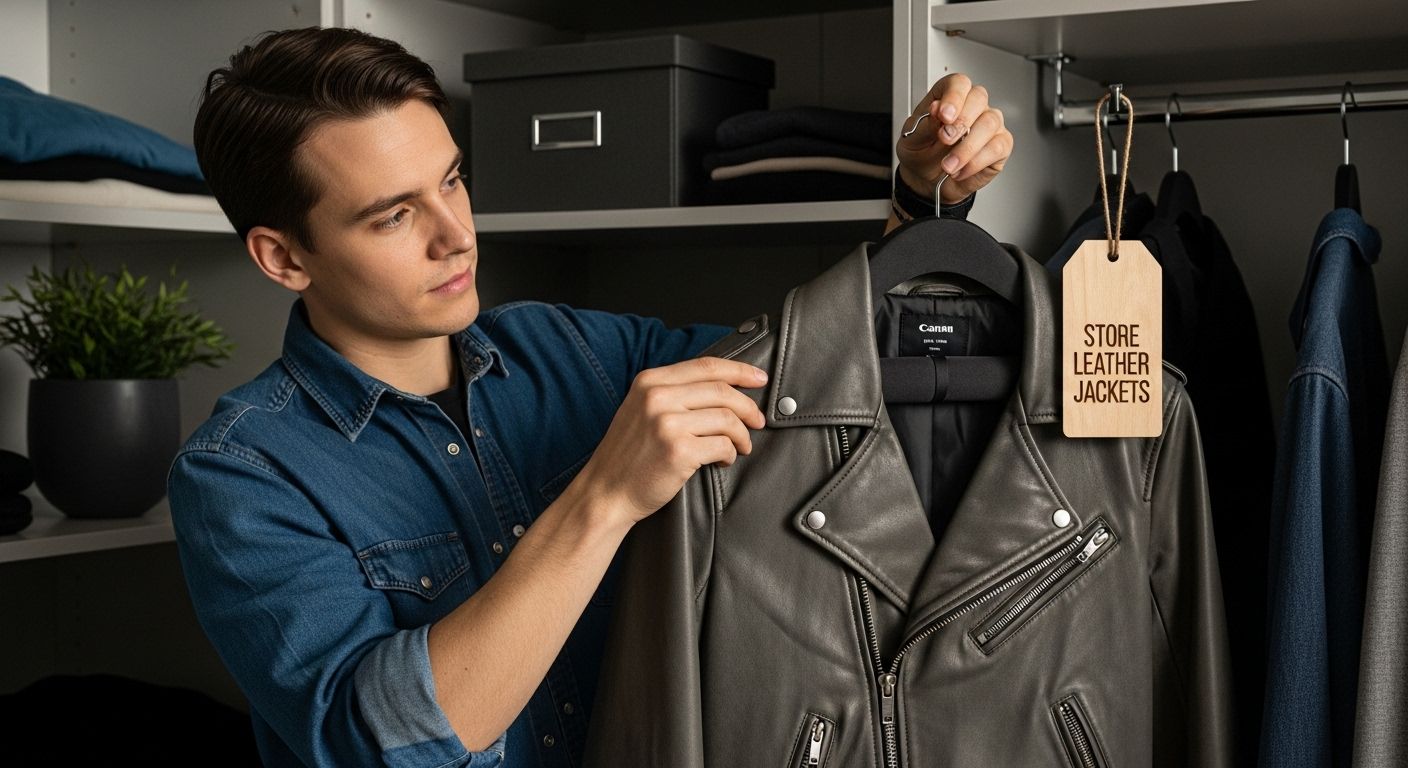
Leather jackets never go out of style. Nearly 80 percent of people who own one admit they worry about stains, cracks, or that permanent musty odor. Surprisingly, most damage does not come from what you spill or how often you wear it. The real threat comes from how you store it when it is off your back.
Table of Contents
- Choosing The Right Storage Location
- Preparing Your Leather Jacket For Storage
- The Best Storage Methods And Accessories
- Common Mistakes To Avoid In Leather Care
Quick Summary
| Takeaway | Explanation |
|---|---|
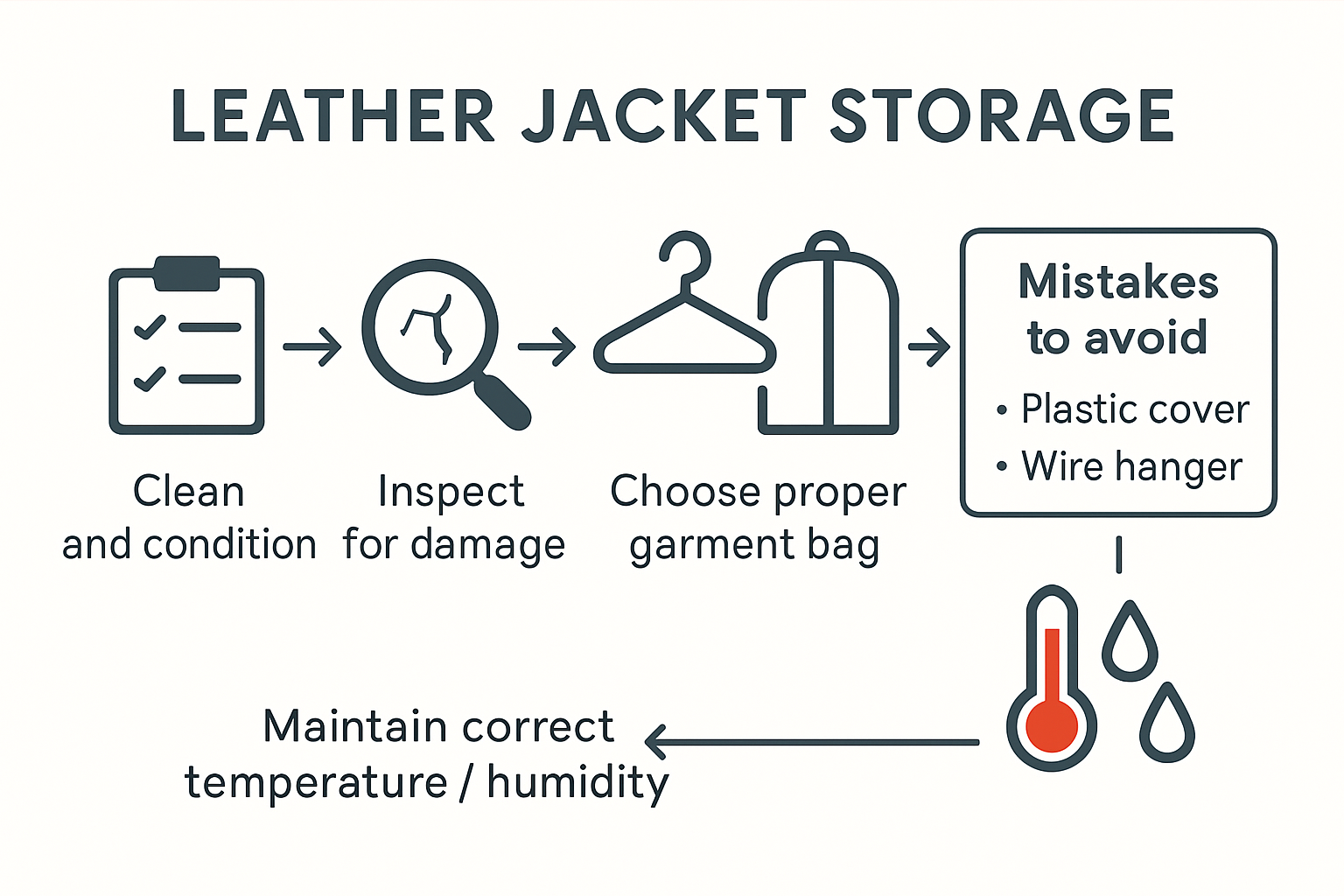
| Choose a cool, dry storage location | Store leather jackets in controlled environments, avoiding direct sunlight and humidity. Aim for 60-70°F and 50% humidity to preserve quality. |
| Use breathable garment bags, not plastic | Protect your jacket with cotton or muslin bags. Plastic traps moisture, which can lead to mildew and damage. |
| Clean and condition before storage | Thoroughly clean and condition your jacket to prevent dirt buildup and maintain suppleness, ensuring it stays in great shape. |
| Avoid improper hangers for storage | Use padded hangers that support the jacket’s shape. Avoid wire hangers, which can cause permanent indentations. |
| Regularly inspect and maintain your jacket | Check for damage, and address issues promptly to prevent further deterioration. Regular care maintains both appearance and value. |
Choosing the Right Storage Location
When it comes to storing leather jackets, the location you choose can make a significant difference in preserving their quality and appearance. Not all storage spaces are created equal, and selecting the wrong environment can lead to irreversible damage to your prized leather garment.
Indoor Storage Considerations
The ideal storage location for leather jackets is a cool, dry indoor space with consistent temperature and humidity levels. According to the Leather Research Laboratory, leather is highly sensitive to environmental conditions. Avoid areas with direct sunlight, extreme temperature fluctuations, or high moisture content. Your bedroom closet, a dedicated wardrobe, or a climate-controlled storage area are excellent options.
To help you select the ideal environment for storing your leather jacket, here is a comparison of common storage locations and their impact on leather quality:
| Storage Location | Pros | Cons |
|---|---|---|
| Bedroom closet | Controlled climate, low humidity | Requires space, can be crowded |
| Dedicated wardrobe | Ideal temperature/humidity control | May require investment/setup |
| Climate-controlled unit | Professional preservation | Extra cost, less convenient access |
| Basement | None | High moisture, temperature fluctuations |
| Attic | None | Extreme temperatures, risk of moisture |
| Near window/heater | None | Exposure to sunlight, heat, rapid drying |
Specifically, aim for storage spaces with temperatures between 60-70 degrees Fahrenheit and relative humidity around 50%. Basements and attics are typically problematic due to their tendency to accumulate moisture and experience significant temperature changes. The National Leather Conservation Center recommends keeping leather away from heating vents, air conditioning units, and windows that receive direct sunlight.
Protective Storage Solutions
Simply finding the right location is not enough. You need to prepare the storage space to protect your leather jacket effectively. Use breathable garment bags made from natural fabrics like cotton or muslin. Avoid plastic covers, which can trap moisture and lead to mildew growth. If you do not have a specialized garment bag, a clean cotton sheet can serve as an excellent alternative.
Consider using padded hangers specifically designed for leather jackets. These hangers help maintain the jacket’s shape and prevent stretching or distortion. Wire hangers are strictly prohibited, as they can create permanent indentations and damage the leather’s structure. When hanging, ensure the jacket has enough space around it to prevent crushing or unnecessary pressure.
Additionally, place silica gel packets in the storage area to absorb excess moisture. These small packets can be crucial in maintaining an optimal environment for your leather jacket, especially in areas with fluctuating humidity levels. Replace these packets every few months to ensure continued effectiveness.
Remember, the goal of proper storage is to minimize environmental stress on the leather. By carefully selecting and preparing your storage location, you can significantly extend the life and appearance of your leather jacket, keeping it looking as impressive as the day you first purchased it.
Preparing Your Leather Jacket for Storage
Before tucking your leather jacket away for storage, proper preparation is crucial to maintaining its pristine condition and preventing potential damage. The steps you take before storage can significantly impact the jacket’s longevity and appearance.
Cleaning and Conditioning
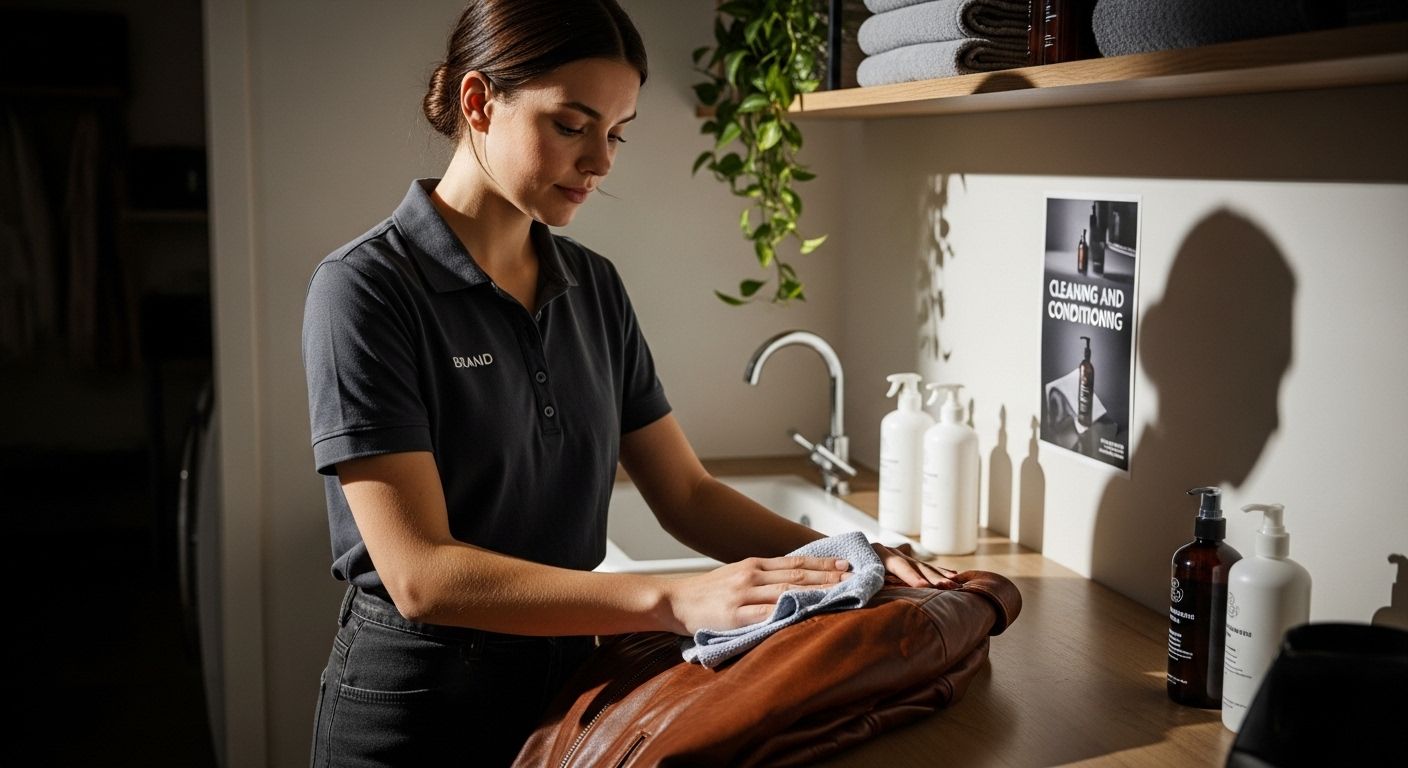
Thorough cleaning is the first essential step in preparing your leather jacket for storage. According to the National Leather Conservation Center, removing dirt, dust, and potential stains before storage prevents these particles from embedding deeper into the leather’s surface. Begin by using a soft, dry cloth to gently wipe down the entire jacket, removing surface dust. For more stubborn dirt, use a specialized leather cleaner designed for your specific type of leather.
After cleaning, conditioning becomes paramount. The Leather Research Laboratory emphasizes that leather is a natural material that requires periodic moisturizing to prevent cracking and maintain its suppleness. Apply a high-quality leather conditioner using a soft, clean cloth, working in small circular motions. This process helps replenish natural oils and creates a protective barrier against potential moisture damage. For those interested in detailed leather maintenance, check out our guide on leather care.
Addressing Potential Issues Before Storage
Before storing your jacket, conduct a comprehensive inspection for any existing damage or potential problem areas. Look closely for loose threads, small tears, or areas of significant wear. Conservation experts recommend addressing minor repairs before long-term storage to prevent further deterioration.
Pay special attention to areas like elbows, cuffs, and seams where stress and friction are most common. If you notice any minor damage, consider professional repair or a specialized leather repair kit. Avoid attempting complex repairs yourself, as improper techniques can cause more harm than good.
For leather jackets with metal hardware like zippers and buttons, ensure they are clean and completely dry. Apply a tiny amount of metal polish to prevent oxidation, but be extremely careful to avoid getting any polish on the leather itself. Remove any removable liner or inner components and clean them separately according to their specific care instructions.
Moisture management is critical in leather jacket storage. Even a small amount of residual moisture can lead to mold, mildew, or leather degradation. After cleaning and conditioning, allow your jacket to air dry completely in a well-ventilated area away from direct heat or sunlight. This process might take several hours, so be patient.
Cold storage can be an effective preservation method for high-value leather jackets. Research indicates maintaining temperatures around 396F with relative humidity between 50-60% can significantly extend the jacket’s lifespan. However, this method requires specialized equipment and is typically recommended for museum-grade or extremely valuable leather garments.
Remember, proper preparation is an investment in your leather jacket’s future. By taking these meticulous steps before storage, you ensure that when you retrieve your jacket, it will look as stunning as the day you first wore it.
Below is a summary checklist to ensure your leather jacket is properly prepared before long-term storage:
| Preparation Step | Status | Notes |
|---|---|---|
| Clean jacket with soft cloth | ✓ | Removes dust and surface dirt |
| Use specialized leather cleaner | ✓ | For deeper cleaning as needed |
| Apply leather conditioner | ✓ | Maintains suppleness and prevents cracks |
| Inspect for damage (tears, threads) | ✓ | Address repairs before storing |
| Clean metal hardware | ✓ | Use polish carefully, avoid leather |
| Remove and clean liners | ✓ | Follow care instructions for liners |
| Allow jacket to air dry completely | ✓ | Prevents mold and mildew |
The Best Storage Methods and Accessories
Selecting the right storage methods and accessories is crucial for preserving the quality and appearance of your leather jacket. The wrong storage approach can lead to permanent damage, while the right techniques can help maintain your jacket’s pristine condition for years to come.
Garment Bags and Protective Covers
Choosing the appropriate garment bag is essential for leather jacket preservation. The Leather Conservation Institute recommends using breathable cotton or muslin garment bags that allow air circulation while protecting the jacket from dust and potential environmental contaminants. Avoid plastic covers, which can trap moisture and potentially cause mildew or leather degradation.
For those seeking comprehensive protection, specialized leather garment bags offer advanced features. Look for bags with the following characteristics:
- Breathable fabric that prevents moisture buildup
- Soft interior lining to prevent scratching
- Adequate room to prevent compression
- Light-colored material to reflect heat
Additionally, consider specialized storage solutions for leather jackets that provide extra protection and maintain the jacket’s shape during long-term storage.
Hangers and Structural Support
The type of hanger you use can significantly impact your leather jacket’s long-term condition. Textile Conservation Experts emphasize the importance of using padded hangers specifically designed for leather garments. Wire hangers are strictly prohibited, as they can create permanent shoulder indentations and distort the jacket’s natural shape.
Ideal hangers for leather jackets should have the following characteristics:
- Wide, rounded shoulders
- Padded surface to distribute weight evenly
- Sturdy construction that supports the jacket’s weight
- Smooth edges to prevent snagging or marking
For heavier leather jackets, consider additional structural support. Some conservation experts recommend using acid-free tissue paper or muslin to stuff the shoulders and maintain the jacket’s original shape during storage. This technique helps prevent sagging and ensures the jacket retains its original silhouette.
Additional Protective Accessories
Beyond bags and hangers, several accessories can enhance leather jacket storage. Silica gel packets are crucial for managing moisture, absorbing excess humidity that could potentially damage the leather. Replace these packets every few months to maintain their effectiveness.
For jackets with delicate hardware or intricate details, consider using soft cloth covers to protect against dust and potential scratching. Acid-free tissue paper can be strategically placed in areas prone to creasing, helping to maintain the jacket’s structure during extended storage periods.
Cold storage can be an excellent option for valuable leather jackets. Conservation research suggests maintaining temperatures around 396F with relative humidity between 50-60%. However, this method requires specialized equipment and is typically recommended for museum-grade or extremely valuable leather garments.
Remember, investing in proper storage methods and accessories is an investment in your leather jacket’s longevity. By carefully selecting and using the right protective gear, you can ensure your jacket remains in exceptional condition, ready to be worn and admired for years to come.
Common Mistakes to Avoid in Leather Care
Leather jacket care requires precision and knowledge. Even well-intentioned owners can inadvertently damage their valuable garments through common mistakes that compromise the leather’s quality and appearance.
Improper Cleaning and Conditioning Techniques
The Leather Research Laboratory warns that inappropriate cleaning methods can cause irreversible damage to leather jackets. Many people make the critical error of using household cleaners, harsh chemicals, or excessive water when attempting to clean their leather. These substances can strip away natural oils, cause discoloration, and create permanent stains.
Instead of generic cleaning products, invest in specialized leather cleaners formulated for your specific type of leather. Different leather types require unique care approaches. For instance, suede leather demands entirely different cleaning techniques compared to smooth leather. Learn more about proper leather maintenance techniques to prevent potential damage.
Another common mistake is over-conditioning leather. While conditioning is essential, applying too much product can lead to saturation, causing the leather to become soft, weak, and prone to attracting dirt. Apply conditioner sparingly, using a clean, soft cloth and working in thin, even layers.
Environmental and Storage Misconceptions
Conservation experts from the National Leather Preservation Institute highlight several environmental mistakes that can significantly degrade leather jackets. Many owners unknowingly expose their jackets to harmful conditions that accelerate wear and tear.
Direct sunlight is a major culprit in leather damage. Prolonged exposure can cause fading, drying, and cracking of the leather surface. Similarly, storing leather jackets in areas with extreme temperature fluctuations or high humidity can lead to mold growth, leather degradation, and permanent structural changes.
Avoid storing leather jackets in plastic covers or sealed containers, which can trap moisture and create an environment conducive to mildew and bacterial growth. Instead, use breathable fabric covers that allow air circulation while protecting the jacket from dust and potential environmental contaminants.
Handling and Maintenance Errors
Improper handling can cause unexpected damage to leather jackets. Textile Conservation Specialists recommend being mindful of how you interact with your leather garment to prevent unnecessary wear.
One significant mistake is hanging leather jackets on wire hangers, which can create permanent shoulder indentations and distort the jacket’s natural shape. Always use padded, wide hangers that support the jacket’s structure. For heavier leather jackets, consider additional structural support techniques like using acid-free tissue paper to maintain the original silhouette.
Neglecting regular maintenance is another critical error. Leather is a natural material that requires consistent care. Ignoring minor damages, such as small tears or loose threads, can lead to more extensive repairs down the line. Conduct periodic inspections and address any issues promptly to maintain your jacket’s integrity.
Additionally, avoid wearing leather jackets in extreme weather conditions. Rain, snow, and excessive heat can cause significant damage. If your jacket does get wet, allow it to air dry naturally at room temperature, away from direct heat sources.
By understanding and avoiding these common mistakes, you can significantly extend the life of your leather jacket. Proper care is an investment that preserves not just the garment’s appearance, but its value and sentimental significance. Treat your leather jacket with the respect and attention it deserves, and it will remain a cherished piece in your wardrobe for years to come.
Frequently Asked Questions
How should I clean my leather jacket before storing it?
To clean your leather jacket, use a soft, dry cloth to remove surface dust. For deeper cleaning, apply a specialized leather cleaner designed for your specific leather type.
What is the best temperature and humidity for storing leather jackets?
The ideal conditions for storing leather jackets are a temperature between 60-70°F and a relative humidity of around 50%. This helps prevent moisture-related damage.
Why should I avoid plastic garment bags for storing leather jackets?
Plastic bags trap moisture, which can lead to mildew and deterioration of the leather. Instead, use breathable fabric garment bags, such as those made of cotton or muslin.
How can I ensure my leather jacket retains its shape during storage?
Use padded hangers specifically designed for leather jackets to support their shape. Consider using acid-free tissue paper or muslin to stuff the shoulders, which helps maintain the jacket’s silhouette.
Ready To Protect and Upgrade Your Leather Jacket Collection?
Storing your leather jackets correctly matters if you want to keep them looking flawless year after year. The real pain many jacket owners face is fighting off cracks, stains, and that permanent musty smell that sneaks in when storage methods go wrong. You have learned about using breathable covers, padded hangers, and controlled environments to maintain your favorite pieces. Now imagine making these care tips work for high-quality jackets designed to last.

Discover the difference of jackets tailored to better storage and long-term resilience in the Maker of Jacket’s collection. Each style delivers not just standout looks but also the craftsmanship that handles everyday wear and careful storage. Why wait until your current jacket shows signs of wear? Bring home a custom-made piece from Maker of Jacket and enjoy worldwide shipping plus worry-free storage for every season.


