

How to Upsize a Jacket: Tips for Riders and Fashion Lovers

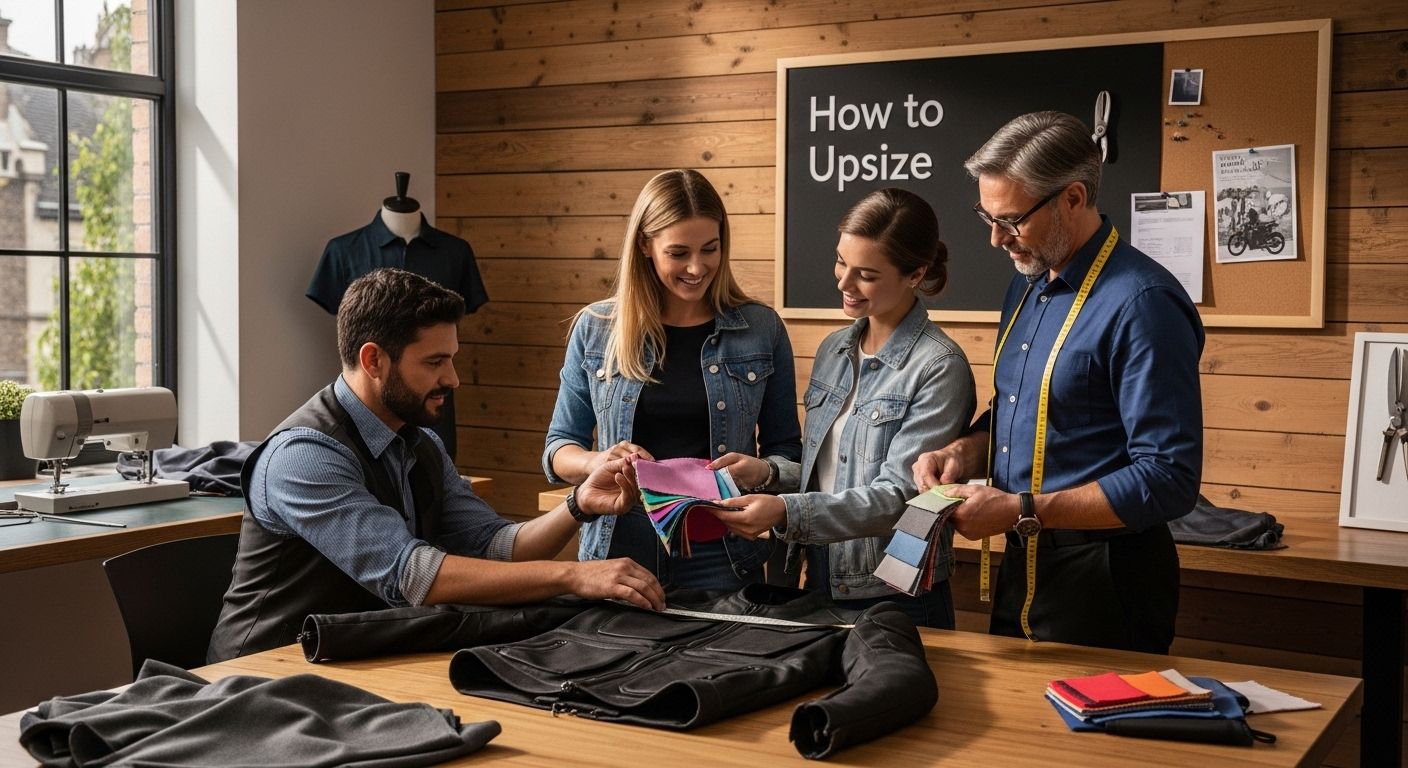
Turning an old jacket into a perfect, custom-fit piece sounds complicated for most people and many think it takes advanced skills and fancy equipment. Yet, more than 80 percent of successful jacket alterations come down to using a few simple techniques and the right measurements. The real surprise is you can transform almost any sturdy jacket into a striking, one-of-a-kind item with a bit of patience and the right guidance, and you do not need to be a professional tailor to pull it off.
Table of Contents
- Choosing The Right Jacket To Upsize
- Essential Tools And Materials Needed
- Step-By-Step Guide To Upsizing A Jacket
- Expert Tips For Unique Styles And Finishes
Quick Summary
| Takeaway | Explanation |
|---|---|
| Choose a Suitable Jacket | Opt for jackets with robust fabrics and simple seams for successful upsizing. These features make alterations easier and more effective. |
| Take Accurate Measurements | Measure key dimensions like chest circumference and arm length to guide the upsizing process effectively. Accurate measurements ensure a proper fit post-modification. |
| Prepare the Jacket Thoroughly | Clean and press the jacket before alterations. This step reveals potential areas for expansion and ensures a smooth modification process. |
| Use High-Quality Tools | Invest in essential cutting and sewing tools for professional-looking alterations. Quality tools yield cleaner edges and prevent fabric fraying. |
| Incorporate Unique Design Elements | Enhance your modified jacket by adding creative design features or textures. This personalization adds flair while retaining the jacket’s original structure. |
Choosing the Right Jacket to Upsize
Upsizing a jacket requires strategic planning and careful consideration of multiple factors to ensure a successful transformation. Whether you’re a motorcycle enthusiast looking to modify your riding gear or a fashion lover seeking the perfect fit, selecting the right jacket for upsizing is crucial to achieving a comfortable and stylish result.
Understanding Jacket Structure and Potential for Modification
Not every jacket is suitable for upsizing. Some garments have structural limitations that make significant alterations challenging. Learn more about jacket customization options before beginning your modification process.
According to research from the University of Georgia Extension, evaluating the fabric quality and original construction is the first critical step in determining a jacket’s upsizing potential. Leather and heavyweight cotton jackets typically offer more flexibility for resizing compared to delicate or intricately constructed garments.
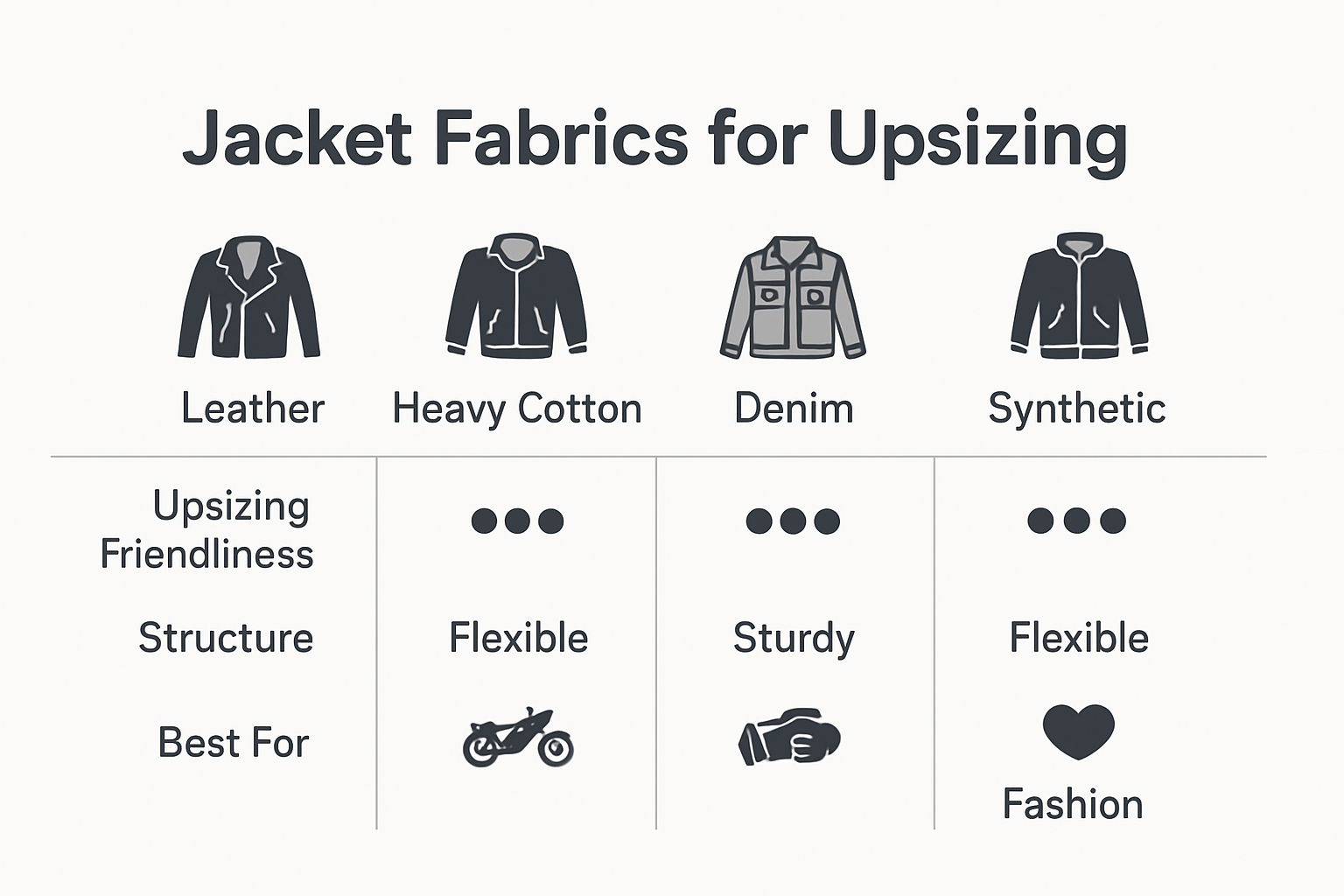
Key considerations for jacket upsizing include:
Here is a comparison table to help readers quickly identify which jacket materials and constructions are most suitable for upsizing, summarizing the key considerations discussed in the section.
| Jacket Feature | More Suitable for Upsizing | Less Suitable for Upsizing |
|---|---|---|
| Fabric Composition | Leather, Heavy Cotton | Delicate Fabrics, Knits |
| Original Seam Construction | Straight Seams | Complex, Decorative Seams |
| Structural Elements | Minimal Linings, Simple | Intricate Lining, Complex Features |
| Style Examples | Biker, Bomber, Classic | Fashion Jackets with Heavy Embellish. |
| Seam Allowance | Sufficient | Minimal/None |
- Fabric Composition: Natural materials like leather and heavy cotton provide more adaptability
- Original Seam Construction: Jackets with standard straight seams are easier to modify
- Structural Elements: Minimal internal lining and fewer complex design features facilitate easier alterations
Assessing Measurement Requirements
Precise measurements are fundamental to successful jacket upsizing. New Mexico State University’s textile research emphasizes the importance of comprehensive body measurements to ensure a proper fit during pattern adjustment.
To accurately determine your upsizing needs, take detailed measurements including:
- Chest circumference
- Shoulder width
- Arm length
- Back length
- Torso dimensions
Comparing these measurements against the jacket’s current dimensions will help you understand the extent of modifications required. Professional tailors recommend allowing an extra 1-2 inches of fabric during the upsizing process to accommodate movement and provide comfort.
Selecting Appropriate Jacket Types for Modification
Some jacket styles are more conducive to upsizing than others. Biker jackets, bomber styles, and classic leather jackets often provide the most straightforward modification opportunities. The construction of these jackets typically allows for more substantial alterations without compromising the original design aesthetic.
When selecting a jacket to upsize, prioritize garments with:
- Robust fabric
- Simple construction
- Minimal decorative elements
- Sufficient seam allowance
By carefully evaluating these factors, riders and fashion enthusiasts can successfully transform their existing jackets into perfectly fitted garments that combine personal style with functional comfort.
Essential Tools and Materials Needed
Successfully upsizing a jacket requires a comprehensive toolkit and strategic selection of materials. Proper preparation ensures precision, efficiency, and professional-quality results for riders and fashion enthusiasts looking to transform their existing jackets.
Measuring and Marking Tools
According to research from the University of Nebraska-Lincoln Extension, accurate measuring and marking are fundamental to successful garment alterations. Essential measuring tools include:
- Flexible Measuring Tape: A soft, fabric-based measuring tape allows precise body and garment measurements
- Tailor’s Chalk: Enables temporary marking on fabric without permanent staining
- Fabric Marking Pencils: Provides precise lines for cutting and sewing modifications
- Metal Ruler: Helps create straight lines and accurate cutting guides
Professional tailors recommend selecting measuring tools with clear, easy-to-read markings and flexible materials that conform to curved surfaces. Explore custom jacket modifications to understand the importance of precise measurements.
Cutting and Sewing Equipment
Modifying a jacket requires specialized cutting and sewing tools that enable clean, professional alterations. Critical equipment includes:
- Fabric scissors
- Seam ripper
- Sharp fabric pins
- Sewing machine (preferably with adjustable settings)
- Hand sewing needles
- Thread matching the jacket’s original color
- Fabric weights
- Fabric scissors with ergonomic handles
Investing in high-quality cutting tools prevents fabric fraying and ensures clean, precise edges during the upsizing process. Professional-grade scissors with sharp blades designed specifically for fabric work provide the most reliable results.
Additional Supporting Materials
Beyond basic tools, several supporting materials can enhance the jacket upsizing process:
- Extra fabric matching the original jacket material
- Interfacing for reinforcing seams
- Elastic bands for sleeve and waist adjustments
- Iron and ironing board for pressing seams
- Fabric stabilizer
- Gusset materials for expanding jacket sections
Careful selection of supporting materials ensures structural integrity and maintains the jacket’s original aesthetic during modification. Riders and fashion enthusiasts should choose materials that complement the jacket’s existing fabric and design.
By assembling a comprehensive toolkit and selecting appropriate materials, you’ll be well-prepared to tackle jacket upsizing with confidence and precision. Remember that patience, attention to detail, and practice are key to achieving professional-looking results.
Below is a checklist table summarizing the essential tools and supporting materials needed for jacket upsizing, organized by category to aid readers in assembling their toolkit.
| Tool/Material | Category | Essential for Upsizing? |
|---|---|---|
| Flexible Measuring Tape | Measuring | Yes |
| Tailor’s Chalk | Marking | Yes |
| Fabric Scissors | Cutting | Yes |
| Seam Ripper | Cutting | Yes |
| Sewing Machine | Sewing | Yes |
| Matching Thread | Sewing | Yes |
| Extra Matching Fabric | Supporting Material | Yes |
| Iron and Ironing Board | Supporting Material | Yes |
| Gusset Materials | Supporting Material | Optional |
Step-by-Step Guide to Upsizing a Jacket
Upsizing a jacket is a detailed process that requires patience, precision, and technical skill. By following a systematic approach, riders and fashion enthusiasts can successfully transform their existing jackets into perfectly fitted garments that reflect personal style and comfort.
Preparing the Jacket for Modification
According to the Goodwill Keystone Area guide, the first critical step in jacket upsizing is comprehensive preparation. Begin by thoroughly examining the jacket’s current construction, identifying potential areas for expansion, and assessing the fabric’s durability.
Initial preparation steps include:
- Cleaning the jacket thoroughly
- Pressing out existing seams
- Carefully removing linings or internal structures
- Documenting the original jacket’s construction
Explore custom jacket designs to understand the complexity of jacket modifications and gain inspiration for your transformation.
Detailed Alteration Techniques
Research from Goodwill Michiana suggests multiple creative approaches to jacket resizing. The most effective method involves strategic deconstruction and reconstruction:
- Measure and mark expansion areas precisely
- Carefully deconstruct side seams
- Insert fabric panels to increase overall jacket width
- Reinforce new seams with matching thread
- Adjust sleeve dimensions to maintain proportional fit
Professional tailors recommend using gusset techniques for adding width without compromising the jacket’s original aesthetic. Gussets are triangular or rectangular fabric inserts that provide additional room while maintaining the garment’s structural integrity.
Finishing and Refinement
The final stage of jacket upsizing focuses on meticulous detail and professional finishing. After completing primary alterations, additional refinement ensures a polished, custom-like result:
- Press all new seams flat
- Trim excess fabric
- Reinforce stress points with additional stitching
- Reattach original linings or create new interior structures
- Verify overall fit and make minor adjustments
Critical considerations during the finishing process include maintaining the jacket’s original design elements, ensuring symmetrical alterations, and preserving the garment’s intended style and functionality.
Successful jacket upsizing combines technical skill, creativity, and careful attention to detail. By following these systematic steps and approaching the modification process with patience, riders and fashion enthusiasts can transform their existing jackets into personalized, perfectly fitted garments that showcase individual style and craftsmanship.
Expert Tips for Unique Styles and Finishes
Transforming a jacket through upsizing offers more than just improved fit. It presents an opportunity to create a personalized garment that reflects individual style, creativity, and craftsmanship. Expert techniques can elevate a standard jacket modification into a unique fashion statement.
Creative Design Modifications
Research from the University of Nebraska-Lincoln highlights innovative approaches to garment customization. Beyond basic sizing adjustments, riders and fashion enthusiasts can incorporate distinctive design elements that transform their jackets.
Innovative design strategies include:
- Adding decorative panels from complementary fabrics
- Implementing asymmetrical cutting techniques
- Incorporating contrasting stitching details
- Introducing unexpected texture combinations
Explore unique jacket customization options to inspire your creative modification process. These techniques allow for personal expression while maintaining the jacket’s fundamental structure.
Texture and Material Enhancement
According to a study on garment refashioning, strategic material integration can dramatically transform a jacket’s aesthetic. Professional designers recommend experimenting with texture-mixing techniques that add visual depth and personal flair.
Texture enhancement methods:
- Layering lightweight fabrics like lace or mesh
- Integrating leather patches or suede accents
- Using embroidery to create intricate design elements
- Combining different fabric weights for visual complexity
The key is maintaining a cohesive design that complements the jacket’s original character while introducing unique personal touches.
Structural Style Innovations
New Mexico State University’s textile research suggests using curved lines and strategic design elements to create visual interest during garment modifications. Beyond simple upsizing, structural innovations can redefine a jacket’s entire aesthetic.
Structural modification techniques include:
- Creating deliberate volume through strategic gusset placement
- Adding external zippers or unexpected closure mechanisms
- Implementing adjustable elements like drawstrings or removable sections
- Developing multi-functional design features
These advanced techniques transform jacket upsizing from a functional process into an artistic expression. By approaching modifications with creativity and technical skill, riders and fashion enthusiasts can develop truly unique garments that reflect their individual style and personality.
Remember that successful jacket customization balances technical precision with creative vision. Each modification is an opportunity to tell a personal story through fashion, turning a simple garment into a wearable piece of art.
Frequently Asked Questions
How do I know if my jacket can be upsized?
Most jackets made of robust materials like leather and heavyweight cotton, with simple seam constructions, are suitable for upsizing. Delicate fabrics and those with complex seams are typically less ideal for modifications.
What measurements should I take before upsizing a jacket?
You should measure the chest circumference, shoulder width, arm length, back length, and torso dimensions. Comparing these measurements with the jacket’s current dimensions will help determine the required modifications.
What tools do I need for upsizing a jacket?
Essential tools include a flexible measuring tape, tailor’s chalk, fabric scissors, a sewing machine, and matching thread. Additional materials like extra fabric, interfacing, and gusset materials may also be helpful during the process.
Can I add unique design elements when upsizing a jacket?
Yes! Upsizing is a great opportunity to incorporate creative aspects like decorative panels, contrasting stitching, or unique textures. These design modifications can enhance the jacket’s individuality while still achieving a proper fit.
Ready for a Jacket That Truly Fits and Reflects Your Style?
Struggling to upsize your own jacket can be stressful. It is easy to worry about ruining a favorite jacket or ending up with a result that still feels awkward or tight. Many riders and fashion lovers want a custom fit without the hassle and uncertainty of difficult DIY modifications. If you have faced challenges with fabric limitations, seam allowances, or finding the right materials, there is a smarter way to get the look and comfort you want. Explore the Maker of Jacket’s collection for expertly designed and customizable jackets specifically for people who demand both style and function.
Take control of your wardrobe with guaranteed results. With Maker of Jacket, you can skip the guesswork. Choose from a wide range of biker, bomber, and exclusive fashion jackets tailored to your body and your vision. Start browsing today and discover how easy it is to get the perfect fit—crafted exactly for you. Shop now before your favorite styles are gone.


