

Role of Motorcycle Apparel: Safety, Style, and Law

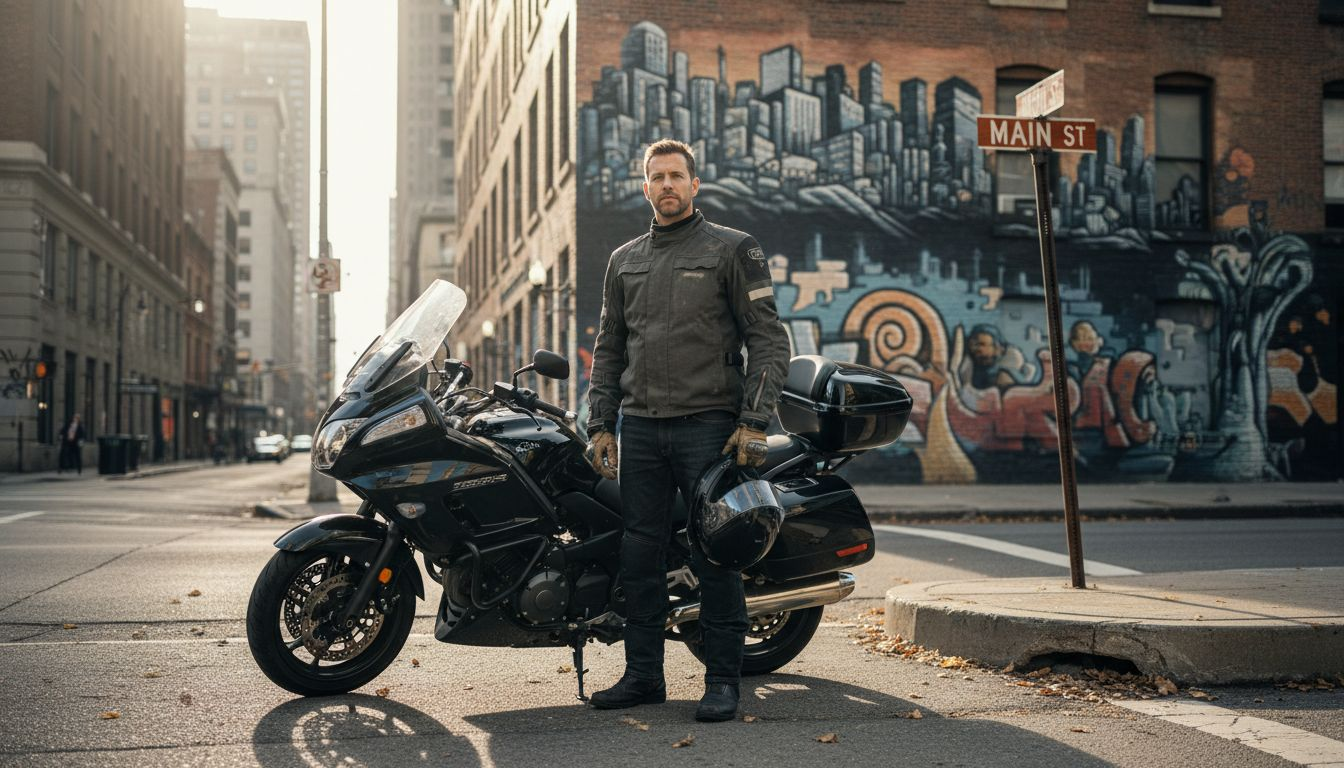
Sliding onto your bike for an afternoon escape, you want to feel confident that your gear matches both your style and your protection needs. American riders know that the right motorcycle apparel is more than fashion—it is a system engineered to absorb impact and resist abrasion, keeping you safe whether you’re cruising city streets or tackling winding mountain roads. Discover how customizable leather jackets blend bold self-expression with the protective features proven to support your riding lifestyle.
Table of Contents
- Defining Motorcycle Apparel And Its Purpose
- Key Types And Features Of Motorcycle Gear
- Safety Ratings And Protective Technologies
- Legal Requirements For Motorcycle Apparel In The Us
- Balancing Fashion And Safety In Biker Gear
- Common Mistakes When Choosing Riding Apparel
Key Takeaways
| Point | Details |
|---|---|
| Purpose of Motorcycle Apparel | Motorcycle gear is essential for protection, comfort, and visibility while riding. It is specifically designed to safeguard against injuries and enhance the riding experience. |
| Importance of Fit and Armor | Proper fit is critical for motorcycle gear; loose clothing can shift during a fall, compromising protection. Always prioritize armor placement and snugness to ensure safety. |
| Certification Standards Matter | Helmets must meet safety standards like DOT for effective protection. Always check for certification labels when purchasing to ensure the gear provides adequate safety. |
| Visibility Enhances Safety | Wearing high-visibility gear or adding reflective elements greatly increases your visibility to drivers, reducing crash risk. Consider integrating these features into your riding apparel. |
Defining Motorcycle Apparel and Its Purpose
Motorcycle apparel is more than just what you wear on your ride. It’s a engineered system designed to protect your body while you’re moving at speed on two wheels. When you’re cruising down the highway or carving through mountain roads, your clothing becomes your first line of defense against asphalt, weather, and potential crashes. Unlike regular fashion clothing, motorcycle apparel serves three distinct purposes: safeguarding your body from injury, enhancing your comfort during long rides, and improving your visibility to other road users.
The primary function of motorcycle apparel is protection. Motorcycle armor absorbs impacts and prevents abrasions that occur during accidents. Think of it this way: your skin can tear open in milliseconds when it contacts rough pavement at even moderate speeds. Quality motorcycle jackets, reinforced gloves, protective trousers, and boots all work together to create a barrier between your body and the road. The materials used in these garments are specifically engineered to withstand friction, disperse impact energy, and maintain their integrity even under extreme conditions. Helmets obviously protect your head, while armored jackets typically include reinforced padding at the shoulders and elbows, areas most prone to impact during a fall. Your hands need protection too, which is why reinforced gloves with wrist support and grip enhancement are non-negotiable. Finally, protective trousers with hip and knee armor shield your legs from the same forces that threaten your upper body.
Beyond safety, motorcycle apparel addresses comfort and functionality. Long rides test your endurance, and poorly chosen gear amplifies fatigue and distraction. Quality jackets provide ventilation for hot weather riding, insulation for cold climates, and weather resistance for unexpected rain. Breathable linings prevent sweat buildup that can lead to chafing and discomfort during four-hour stretches on the road. Pockets positioned strategically keep your phone, wallet, and keys accessible without creating bulk or imbalance. Adjustable straps ensure the gear stays in place during aggressive cornering or emergency braking. The third purpose, visibility, shouldn’t be overlooked. Many riders choose lighter colored jackets, reflective piping, and hi-visibility gear specifically because it makes them stand out to caged drivers who might otherwise miss seeing a motorcycle. Contrast and reflectivity can literally save your life.
What makes motorcycle apparel different from regular jackets is the intentional design philosophy behind every component. Standard leather jackets look similar to motorcycle gear but lack the impact absorption technology, strategic armor placement, and abrasion-resistant construction. When you invest in purpose-built motorcycle apparel, you’re paying for materials tested in crash scenarios, designs refined through rider feedback, and protective systems proven to reduce injury severity. The fashion element matters too, which is why customizable leather jackets have become increasingly popular among riders who refuse to choose between protection and personal style. Modern motorcycle apparel proves that safety and aesthetics aren’t mutually exclusive. Riders can wear gear that reflects their personality while maintaining the protection standards necessary for responsible riding.
Pro tip: When selecting motorcycle apparel, prioritize fit and armor placement over size, since loose gear shifts during impact and compromises protection, while well-fitting armor stays positioned where you need it most.
Key Types and Features of Motorcycle Gear
Motorcycle gear breaks down into five essential categories, each designed to protect a specific part of your body. Your head gets the most attention because the consequences of impact there are catastrophic. Helmets are non-negotiable, and they must meet DOT standards to ensure they actually protect you in a crash. A quality helmet combines a hard outer shell made from materials like polycarbonate or carbon fiber, an energy-absorbing foam layer underneath, and comfortable padding on the interior. When you’re shopping for a helmet, the fit matters more than the style. A loose helmet can shift during a crash and leave vulnerable areas exposed, while a snug helmet stays in place exactly where it needs to be.
Your torso and limbs need protection through jackets, trousers, gloves, and boots working as an integrated system. Motorcycle jackets come in various styles from classic leather cruiser cuts to modern sport cuts, but what separates a real protective jacket from a fashion piece is the armor integration. Quality jackets feature removable or fixed armor at the shoulders, elbows, and back. Armor materials range from foam to gel absorbers and hard plastic shells, each offering different levels of impact protection and flexibility. Memory foam provides decent shock absorption while maintaining comfort during normal riding. Silicone-based gel absorbers and viscoelastic materials like D3O offer superior protection because they harden on impact and then return to their flexible state. Your choice depends on your riding style and how much protection you prioritize over comfort. Protective trousers work similarly, with armor strategically placed at the hips and knees, the areas that take the hardest hits during a typical motorcycle accident. Gloves protect your hands from instinctively sliding across pavement during a crash. Quality motorcycle gloves have reinforced palms, wrist support, and knuckle protection designed for durability and grip in wet conditions. Boots need to protect your ankles and feet while providing support and ground feel for operating the motorcycle’s controls.
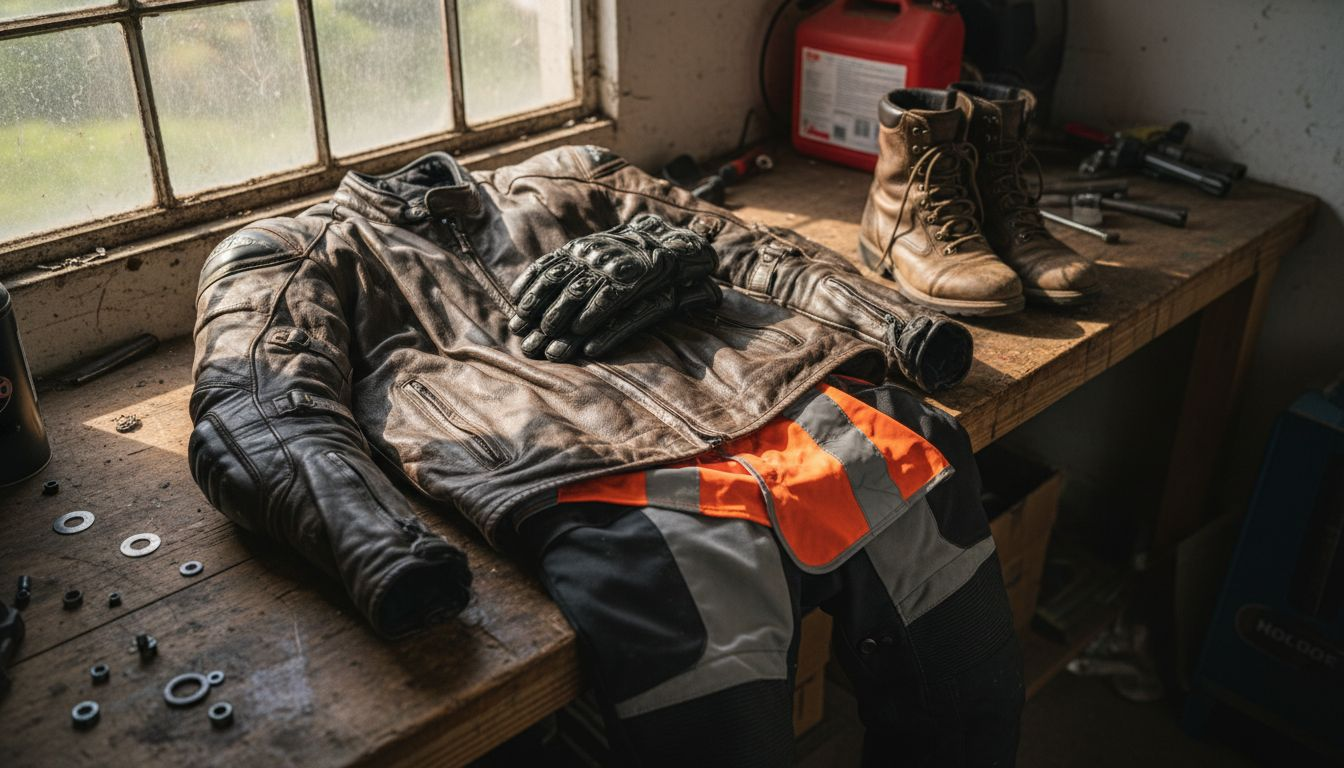
Beyond just protection, these gear pieces work together as a complete system. A jacket with armor is only effective if your trousers also have protection at the hips and knees. Gloves need to match your jacket in terms of material and fit so there are no gaps at your wrists. That’s why many riders invest in cowhide or buffalo leather jackets that can be paired with matching trousers and gloves for seamless coverage. The material your gear is made from matters significantly. Leather remains the industry standard because it provides excellent abrasion resistance and durability. Textile materials like cordura or mesh offer better ventilation in hot weather while maintaining adequate protection. Some riders choose to invest in customizable pieces that reflect their personal style while maintaining all the protective standards necessary for safe riding.
When selecting your gear, fit and comfort determine whether you’ll actually wear it every time you ride. Loose gear shifts during cornering or emergency maneuvers, which means armor moves away from the areas it’s supposed to protect. Tight gear restricts movement and causes fatigue during longer rides. You also need to consider the type of riding you do. Sport riders need different protection than cruiser riders, and adventure riders need gear that handles multiple weather conditions. Taking time to try on different pieces and moving around in them before buying pays dividends in both safety and long-term wearability.
Pro tip: Try on all your gear together as a complete outfit and practice moving in it before buying, because armor placement shifts with certain body positions and you need to ensure protection stays where you need it during your actual riding style.
Here is a summary comparing the primary protective gear categories and their unique protective features:
| Gear Category | Key Protection Area | Notable Safety Feature |
|---|---|---|
| Helmet | Head and face | Impact-absorbing liner, hard shell |
| Jacket | Torso, shoulders, arms | Built-in armor, abrasion resistance |
| Trousers | Hips and knees | Reinforced panels, knee/hip armor |
| Gloves | Palms, wrists, knuckles | Extra grip, impact protection |
| Boots | Ankles and feet | Rigid soles, ankle support |
Safety Ratings and Protective Technologies
Not all motorcycle gear meets the same safety standards, and understanding the difference between ratings can literally save your life. Your helmet is the most critical piece, which is why multiple international testing organizations have established rigorous standards to measure protective effectiveness. DOT, ECE, BSI, and Snell represent different testing protocols, each with distinct criteria for impact protection. When you’re buying a helmet, you should see certification labels inside that indicate which standards it meets. DOT is the minimum legal requirement in the United States, but many experienced riders prefer helmets that also meet ECE or Snell standards because those organizations use more aggressive testing parameters. The difference matters because a helmet certified only to DOT standards might not protect you as effectively in a high-speed crash compared to one that passes multiple certification tests.
The real innovation in modern motorcycle apparel comes down to how materials absorb and dissipate impact energy. Helmets employ multi-layered constructions with an outer shell, energy-absorbing foam liner, and inner padding working together to reduce peak accelerations during collisions. The outer shell prevents objects from penetrating and keeps your head intact. The foam liner absorbs the kinetic energy from impact by compressing and deforming. This compression process converts the crash energy into heat rather than transmitting it directly to your skull. Advanced energy-absorbing liners have evolved significantly over the past decade, with manufacturers experimenting with different foam densities and structures to optimize protection without adding excessive weight. Some helmets now use viscoelastic materials that change properties based on impact speed, offering better comfort during normal riding while providing superior protection during crashes.
Beyond helmets, protective armor technologies have advanced dramatically through materials science innovations. Hard plastics protect against abrasion by creating a slippery surface that reduces friction as you slide across pavement. Foam layers underneath absorb shock and distribute impact forces across a larger area of your body. The most advanced systems use viscoelastic materials like D3O that remain soft and flexible during normal movement but harden instantly when subjected to impact forces. This dual nature means you get comfort and mobility during regular riding while still having rigid protection where you need it during crashes. These materials strategically protect your spine, elbows, shoulders, and knees, the areas most vulnerable during motorcycle accidents. When you’re evaluating jacket and trouser options, look for gear that specifies armor materials and placement rather than just mentioning that armor is included. A jacket with armor only at the elbows provides less protection than one with comprehensive coverage at shoulders, elbows, back, and spine.
Understanding how these protective systems work helps you make informed decisions about which gear actually matches your riding style and risk tolerance. A track day rider needs different protection than a commuter, and an adventure rider faces different hazards than a sport bike enthusiast. The technology exists today to provide excellent protection across all riding styles, but you need to know what to look for. When shopping, check for certification labels, ask about specific armor materials and their placement, and try gear on to ensure it fits snugly enough that armor stays in place during movement. The investment in quality protective technologies pays dividends because modern materials genuinely reduce injury severity in crashes.
Pro tip: When comparing helmets or armored jackets, prioritize certification standards and specific armor material names like D3O or memory foam over brand names alone, because protection effectiveness depends on testing standards and material technology rather than marketing.
To help riders understand apparel standards, here is a quick reference of major helmet safety certifications:
| Certification | Region of Use | Key Testing Focus |
|---|---|---|
| DOT (FMVSS 218) | United States | Penetration resistance, impact attenuation |
| ECE 22.05/22.06 | Europe, international | Multi-point impact, retention system strength |
| Snell | Worldwide | High-energy impacts, rigorous shell testing |
| BSI | United Kingdom | Comprehensive impact and retention criteria |
Legal Requirements for Motorcycle Apparel in the US
Here’s the straightforward truth about motorcycle apparel laws in America: helmets are the only gear item with widespread legal requirements, while jackets, gloves, and boots remain optional from a federal standpoint. This distinction matters because many riders assume all protective gear is legally mandated when only headgear carries that obligation. The federal government established Federal Motor Vehicle Safety Standard (FMVSS) 218 specifically for motorcycle helmets, and NHTSA enforces these helmet standards to ensure that any helmet sold for street use meets rigorous testing requirements. A helmet that doesn’t meet FMVSS 218 is considered non-compliant and illegal to wear on public roads in the United States. This means when you’re shopping for a helmet, look for a DOT certification label inside that indicates FMVSS 218 compliance. If that label isn’t present, the helmet might look the part but it’s technically illegal for street riding and offers no guarantee of actual protection.
Helmet laws vary significantly by state, which creates confusion for riders traveling across state lines or relocating. Some states have universal helmet laws that require every rider and passenger to wear a compliant helmet, regardless of age or riding experience. Other states have partial helmet laws that only apply to riders under a certain age, typically 18 or 21. A few states have no helmet requirement whatsoever, though this doesn’t mean helmets are unnecessary, it just means they’re not legally mandated. What complicates matters further is that helmet requirements sometimes connect to insurance status and licensing. Helmet laws vary by state and depend on rider age and insurance considerations, meaning you need to research your specific state’s regulations before riding. If you cross state lines regularly, you’re best served by wearing a helmet that meets FMVSS 218 standards regardless of whether your current state requires it. The science is overwhelming: certified helmets reduce fatalities by roughly 37 percent and traumatic brain injuries by 69 percent according to crash data, which means wearing a compliant helmet could literally be the difference between walking away from an accident and spending months in a hospital.
The legal landscape becomes more permissive beyond helmets. Your motorcycle jacket, whether it’s leather, textile, or a combination, carries no federal legal requirement. You can wear whatever you want on your upper body from a legal standpoint. The same applies to gloves, boots, and trousers. State laws don’t mandate these items either. This freedom exists because protective gear other than helmets doesn’t have federally established testing standards the way FMVSS 218 does for helmets. However, this legal flexibility shouldn’t be confused with optional protection. Just because your state doesn’t legally require armored jackets doesn’t mean you should skip them. The legal minimum and the safety minimum are two very different things. Experienced riders view protective apparel as non-negotiable regardless of legal status. Your insurance company might also have opinions about your gear choices. Some insurers offer lower premiums for riders who wear ATGATT, which stands for All The Gear, All The Time. This creates a financial incentive aligned with actual safety practices.
Understanding these regulations helps you make informed decisions about compliance and insurance. If you’re purchasing a helmet, verify FMVSS 218 compliance before buying. If you’re traveling across state lines, check your destination state’s helmet requirements. If you’re shopping for jackets and other protective wear, understand that while no legal mandate exists, protection remains your responsibility regardless of what the law requires. Some riders invest in gear that meets international standards like ECE or Snell even though they’re not legally required in the US, simply because those certifications indicate superior protection. The legal requirements set a floor, not a ceiling. Building a complete protective system that exceeds minimum legal standards aligns with responsible riding practices.
Pro tip: When buying a helmet, always verify the FMVSS 218 label is present inside before purchasing, and if you’re unsure about your state’s helmet laws, check your DMV website or call the local motorcycle safety foundation because regulations change and vary by county in some states.
Balancing Fashion and Safety in Biker Gear
The old motorcycle culture presented you with a false choice: look cool or stay safe. Wear the leather, accept the risks. Ride in jeans and a t-shirt if you wanted comfort. Modern motorcycle apparel has demolished that outdated equation. Today’s gear proves that protection and personal style aren’t competing priorities, they’re complementary ones. Fashion-forward riders in your demographic have driven the industry to evolve. Manufacturers now invest heavily in designing protective gear that actually looks good on your frame and reflects your personality rather than forcing you into a one-size-fits-all aesthetic. This shift happened because riders demanded it. You want armor at your shoulders and elbows without looking like you’re wearing tactical military gear. You want breathable ventilation for summer rides without sacrificing the leather jacket aesthetic that defines motorcycle culture. That demand created the competitive landscape where brands compete not just on protection metrics but on design quality, fit options, and customization possibilities.
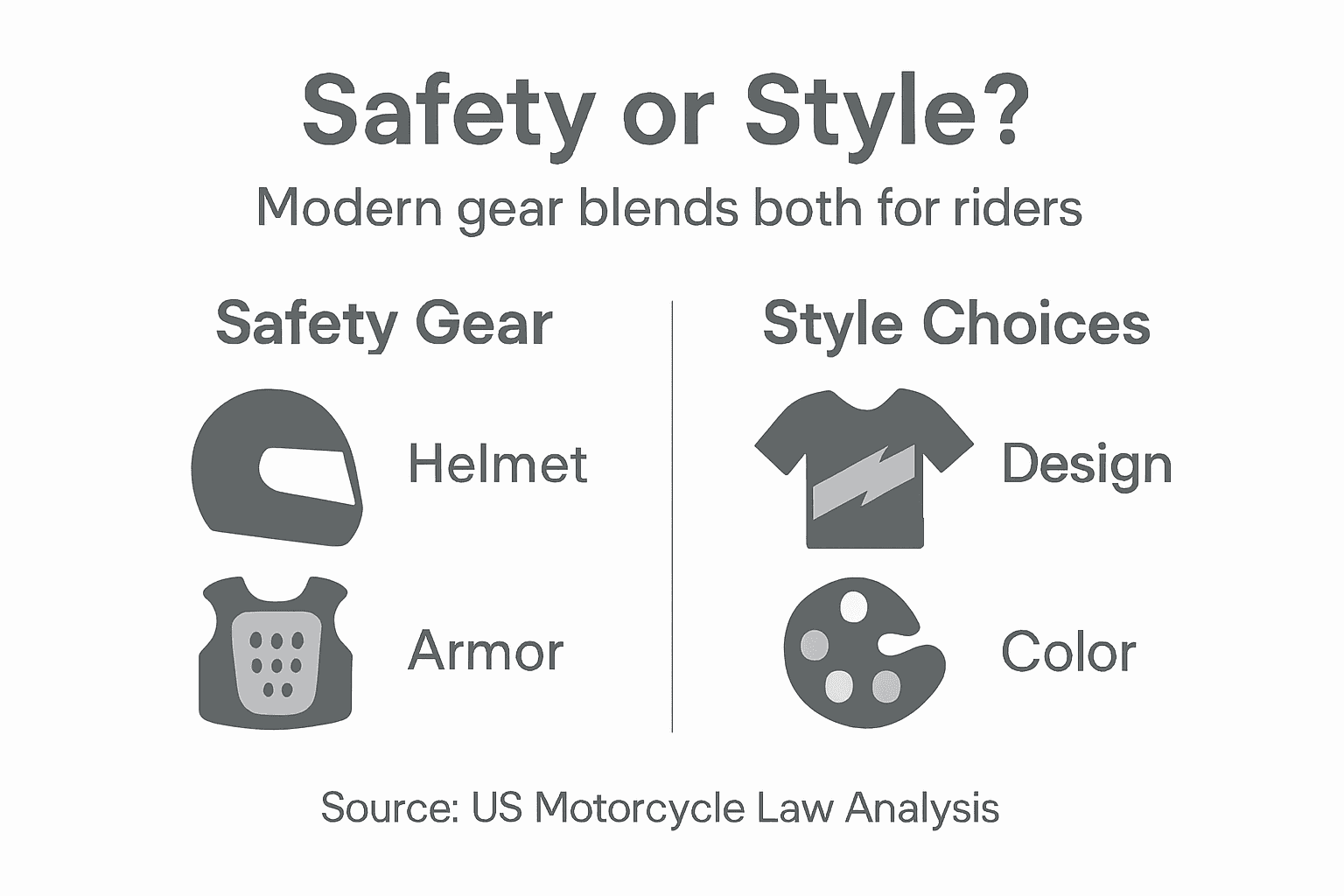
The apparel industry recognizes that combining safety with appealing fashion designs encourages riders to wear protective gear consistently. Think about it from a behavioral standpoint: if your protective jacket looks terrible on you, makes you uncomfortable, or clashes with your personal style, you’ll find reasons to skip it on short rides. You’ll rationalize that the trip to the coffee shop doesn’t warrant full gear. But if your protective jacket looks sharp, fits your body properly, and genuinely reflects how you want to present yourself to the world, you’ll wear it every single time. Manufacturers have invested in ergonomic design that shapes jackets to modern body silhouettes rather than generic templates. Ventilation systems now incorporate sleek mesh panels that provide airflow without looking like Swiss cheese. Color options have expanded beyond basic black and brown to include charcoal gray, deep blue, burgundy, and custom options that let you coordinate with your bike’s aesthetic. Customizable leather jackets represent the cutting edge of this evolution, allowing you to specify everything from leather type to hardware finishes to patch placement.
Sustainability adds another layer to the modern fashion and safety equation. Brands increasingly recognize that balancing protection with style improves consumer adoption when gear reflects personal values. Many riders in your demographic care about environmental impact and ethical production. Manufacturers now offer jackets made from responsibly sourced leather, plant-based alternatives to traditional synthetics, and transparent supply chains that prove their claims. This isn’t greenwashing either; legitimate innovation in sustainable materials provides excellent protection while reducing environmental footprint. You can wear gear that protects your body, expresses your identity, and aligns with your values. That combination was impossible ten years ago. The customization trend specifically benefits riders seeking this convergence of safety, style, and substance. When you can choose your jacket’s specific leather type, color, hardware, and embellishments, you’re not compromising on any front. You get the protection metrics you need, the aesthetic you want, and the sustainability standards you value.
The practical reality is that style consistency drives safety compliance. Riders who feel confident in their appearance wear gear more consistently. Consistency matters more than perfection because the crash you’re prepared for is the one you prevent through defensive riding, but if a crash does occur, you want full protection active. Building a cohesive personal style that incorporates protective gear means you’ll suit up for every ride instead of making exceptions. Consider coordinating your jacket, gloves, and boots in complementary colors and materials so they feel like a complete outfit rather than disparate safety equipment. Match your helmet to your jacket’s color palette. Choose boots that work with both your gear and your street style. This approach transforms protective apparel from something you wear for safety into something you wear because you like how it looks. That psychological shift increases compliance dramatically.
Pro tip: When selecting protective gear, prioritize pieces that you genuinely enjoy wearing visually and comfort-wise, because gear you love wearing consistently protects you far more effectively than premium gear that stays in your closet because you hate how it looks or feels.
Common Mistakes When Choosing Riding Apparel
Most riders make their first gear purchase with incomplete information, and that initial mistake often compounds through years of riding in suboptimal protection. The biggest error you can make is prioritizing appearance over fit, which immediately compromises both safety and comfort. A jacket that looks amazing on the hanger but doesn’t fit your actual body creates multiple problems. Loose gear shifts during braking or cornering, moving armor away from your vulnerable areas exactly when you need protection most. Tight gear restricts movement and causes fatigue during longer rides, which means you’ll skip wearing it on shorter trips. You end up riding unprotected on casual commutes because your gear is uncomfortable. The fit issue compounds because many riders shop online without trying things on, making assumptions about sizing based on street clothing measurements. Motorcycle gear sizes differently than regular jackets because of armor placement and movement requirements. A medium jacket for everyday wear might translate to a large in motorcycle gear, or vice versa depending on the brand’s engineering philosophy. Ill-fitting gear reduces both safety and comfort during riding, increasing risk during crashes. This isn’t a minor inconvenience, it’s a fundamental safety compromise. Your armor only protects you if it stays positioned where it’s supposed to be.
The second major mistake is underestimating helmet certification requirements and confusing style with substance. Many riders buy helmets that look great but lack proper DOT certification or, worse, have fake DOT stickers. A non-certified helmet offers no guarantee of actual protection despite appearing identical to a legitimate helmet. The certification exists because testing organizations verified that the helmet actually reduces impact forces and peak accelerations during crashes. A pretty helmet that hasn’t passed rigorous testing is essentially decorative headgear. Beyond helmets, riders frequently neglect other protective gear entirely. You see riders in nice leather jackets with bare hands and feet, thinking the hands and feet are less important. Your hands instinctively reach out during a fall to catch yourself, which means they contact pavement first and experience severe abrasion. Your feet control the motorcycle and provide ground feel, meaning poorly protected feet can lead to fractures that impair your riding ability for months. Motorcyclists often fail to wear recommended protective gear including gloves and boots, selecting instead only the most visible pieces like jackets. This incomplete approach leaves significant portions of your body vulnerable. A complete system means jacket, trousers, gloves, boots, and certified helmet working as an integrated unit, not just grabbing whatever catches your eye.
The third error involves choosing materials and construction without understanding abrasion resistance. Cotton and denim feel comfortable and look casual, but they shred instantly against pavement. Casual clothing fails at its fundamental protective purpose because it lacks the material science engineered into proper motorcycle gear. You wouldn’t wear cotton gloves while sliding your hands across sandpaper, yet many riders wear cotton or thin textile jackets that provide similar levels of protection in a crash. Leather serves as the industry standard because it has proven abrasion resistance. Quality leather withstands significant friction before breaking down, buying your body time during a slide. Textile materials specifically engineered for motorcycle use incorporate synthetic fabrics designed to resist tearing and melting. When choosing between leather and textile, focus on the specific material’s tested abrasion performance rather than assumptions about which category is inherently better. Many modern textiles outperform low quality leather. The material decision should factor in your climate, riding style, and personal comfort, but any choice should meet established protection standards.
Visibility represents an often-overlooked mistake that increases your crash risk before any protective gear matters. Dark clothing with no reflective elements makes you invisible to caged drivers during twilight or night riding. Many riders choose all black gear for the aesthetic without considering that visibility prevents crashes more effectively than any armor prevents injury. Adding reflective piping, wearing a hi-visibility vest over your jacket, or choosing lighter colored gear dramatically improves how other drivers perceive your presence. The behavioral psychology of visibility matters too. When drivers can clearly see you, they adjust their behavior earlier. They give you more space. They check their mirrors more carefully. Conversely, dark gear that blends into the background leaves you vulnerable to drivers who simply don’t see you until it’s too late. The ideal approach combines dark base colors with strategic reflective accents that enhance visibility without compromising your personal style. Modern gear increasingly offers this balance through subtle reflective piping and panel placement.
Pro tip: Before purchasing any gear, try it on while wearing your typical street clothing layers and move around extensively, rotating your shoulders and bending at the waist to verify that armor stays positioned correctly during the actual movements you make while riding.
Enhance Your Ride with Custom Motorcycle Apparel from Maker of Jacket
Understanding the vital role motorcycle apparel plays in protection, comfort, and style is just the first step toward safer riding. If you want gear that fits your body perfectly, keeps armor in place, and reflects your unique personality while meeting safety standards, explore the extensive selection at Maker of Jacket. From customizable leather jackets to specialized motorcycle suits, our Maker of Jacket’s collection offers options that prioritize both protection and style tailored to your needs.

Don’t settle for off-the-rack gear that compromises on fit or safety. Visit Maker of Jacket today and experience premium craftsmanship combined with personal customization. Take control over your riding safety and style now by browsing our Mustang jacket collection or upgrading your look with our durable leather pants collection. Act today to ride with confidence, comfort, and unbeatable protection.
Frequently Asked Questions
What is the primary function of motorcycle apparel?
The primary function of motorcycle apparel is to provide protection during rides. This includes safeguarding your body from injury in the event of a crash, improving comfort for long rides, and enhancing visibility to other road users.
How do I ensure my motorcycle gear fits properly?
To ensure proper fit, try on all your gear together, including the jacket, trousers, gloves, and boots. Move around to see if the armor stays positioned correctly and doesn’t shift during dynamic riding movements.
What are the key types of protective gear for motorcyclists?
Key types of protective gear include helmets, jackets, trousers, gloves, and boots. Each category provides specific protection, with helmets primarily safeguarding the head and jackets, trousers, gloves, and boots protecting the torso and limbs respectively.
Are motorcycle helmets legally required for all riders?
In many regions, motorcycle helmets are the only gear with widespread legal requirements. Helmet laws can vary by state, with some requiring all riders and passengers to wear certified helmets while others impose age-specific regulations.


