

Understanding the History of Bomber Jackets: Fashion Evolution

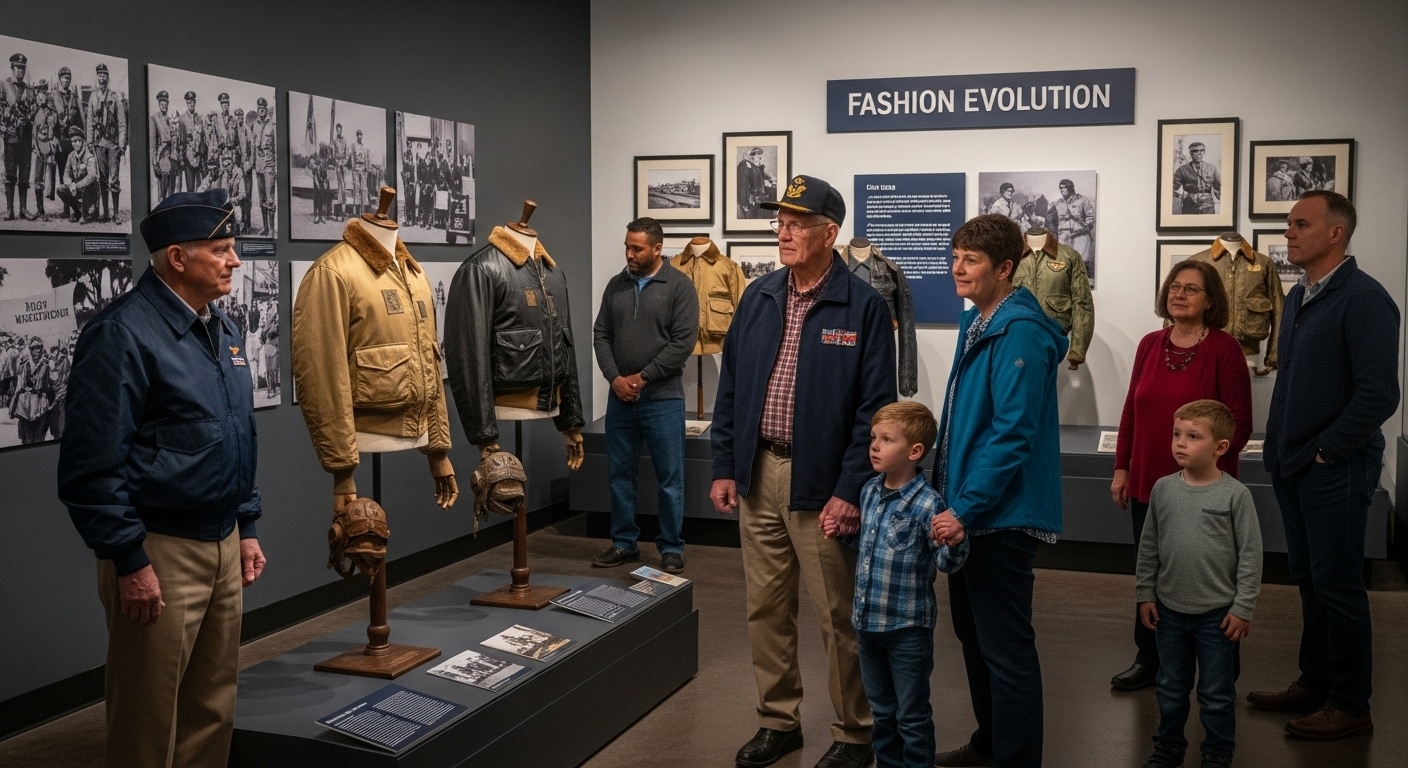
Bomber jackets started out as tough military gear, made to keep World War I pilots from freezing in open cockpits. Shockingly, those early jackets were so effective that some pilots flew at high altitudes in temperatures as low as minus 50 degrees Fahrenheit without frostbite. Most people see bomber jackets as a fashion must-have now, but their journey from the trenches to street style is packed with twists that hardly anyone expects.
Table of Contents
- Origins Of Bomber Jackets: Where It All Started
- Cultural Significance: Bomber Jackets In Society
- Design Evolution: How Bomber Jackets Changed Over Time
- Modern Adaptations: Bomber Jackets In Today’s Fashion
- Key Features: What Makes A Bomber Jacket Unique
Quick Summary
| Takeaway | Explanation |
|---|---|
| Bomber jackets originated from military aviation needs. | These jackets were designed in World War I to keep pilots warm in unheated cockpits. |
| Bomber jackets symbolize cultural identity and rebellion. | They have been embraced by various subcultures as markers of nonconformity and personal expression. |
| Design has evolved from functionality to fashion. | Originally utilitarian, bomber jackets now feature diverse materials and trendy designs for modern aesthetics. |
| Modern innovations focus on sustainability and inclusivity. | Contemporary bomber jackets incorporate eco-friendly fabrics and challenge traditional gender norms in fashion. |
| Key characteristics define a bomber jacket’s uniqueness. | The structured design and practical features, such as fitted waists and multiple pockets, remain essential to their appeal. |
Origins of Bomber Jackets: Where It All Started
The history of bomber jackets traces back to the early 20th century, emerging from military aviation needs during World War I. These iconic garments were originally designed as functional outerwear for pilots who faced extreme cold temperatures at high altitudes. Learn more about our bomber jacket collection and explore its fascinating evolution.
Military Roots and Early Design
During World War I, aircraft cockpits were open and unheated, exposing pilots to harsh wind and freezing temperatures. Military engineers and designers recognized the urgent need for specialized clothing that could protect aviators from these brutal conditions. The first bomber jackets were crafted from heavyweight leather with thick sheep’s wool lining, providing crucial insulation and wind resistance.
According to National Air and Space Museum, early bomber jackets featured unique design elements that prioritized functionality over fashion. These included:
- Large front pockets for storing navigation tools
- Wide collars that could be turned up to shield the neck
- Snug cuffs and waistbands to prevent cold air from penetrating
Transition from Military Gear to Fashion Statement
After World War II, returning soldiers brought their bomber jackets home, inadvertently introducing these rugged garments into civilian fashion. The practical design and masculine aesthetic quickly captured public imagination. Young men began adopting bomber jackets as symbols of adventure, rebellion, and heroism.
By the 1950s and 1960s, bomber jackets had transitioned from pure military utility to a versatile fashion item. Hollywood actors and musicians played a significant role in popularizing these jackets, transforming them from specialized military equipment into a cultural icon that represented cool, edgy style.
The bomber jacket’s journey from military necessity to fashion staple represents a remarkable transformation in clothing design, highlighting how functional apparel can evolve into timeless style statements.
Cultural Significance: Bomber Jackets in Society
Bomber jackets have transcended their original military purpose to become a powerful symbol of cultural identity, rebellion, and social expression. From counterculture movements to mainstream fashion, these jackets represent more than just clothing – they embody complex social narratives.
Explore the evolution of streetwear culture and understand how bomber jackets became a global fashion phenomenon.
Subcultures and Identity Representation
Throughout the mid-20th century, bomber jackets became critical markers of various subcultures. Punk rockers, motorcycle gangs, and urban youth adopted these jackets as symbols of nonconformity and personal rebellion. According to Smithsonian Magazine, the jacket represented a powerful visual language of resistance and individual identity.
Key subcultures that embraced bomber jackets include:
- Punk rock scene in the 1970s and 1980s
- Hip hop and breakdancing communities
- Skinhead and mod cultural movements
- Motorcycle enthusiast groups
Global Fashion and Social Movements
The bomber jacket’s versatility allowed it to transcend geographical and cultural boundaries. In different parts of the world, the jacket took on unique meanings and interpretations. In Japan, for instance, designers reimagined bomber jackets with intricate embroideries and innovative materials, transforming them into high-fashion statements.
By the late 20th century, bomber jackets had become a universal garment, symbolizing everything from working-class resilience to urban cool. Hollywood films and music videos further cemented the bomber jacket’s status as a global fashion icon, worn by celebrities and everyday individuals alike.
Ultimately, the bomber jacket’s journey reflects broader social transformations – from military utility to a powerful medium of personal expression and cultural commentary.
Design Evolution: How Bomber Jackets Changed Over Time
The bomber jacket has undergone remarkable design transformations, reflecting changing technological capabilities, fashion trends, and cultural shifts. Explore jacket evolution patterns to understand how this iconic garment has continuously reinvented itself through different eras.
Material and Construction Innovations
Initially crafted from heavy leather and wool, bomber jackets have experienced significant material evolution. By the 1960s, designers began experimenting with synthetic fabrics like nylon and polyester, which offered lighter weight and improved water resistance. According to The Metropolitan Museum of Art, these material shifts represented more than aesthetic changes – they reflected broader technological advancements in textile manufacturing.
Key material transitions in bomber jacket design included:
- From heavyweight leather to lightweight synthetic blends
- Introduction of quilted and padded interior linings
- Incorporation of elastic and adjustable waistbands
- Development of breathable, performance-oriented fabrics
Color and Aesthetic Transformations
Bomber jackets transitioned from primarily military green and brown tones to a diverse color spectrum. Designers began introducing bold colors and unique patterns, transforming these jackets from utilitarian gear into fashion statements. The 1980s saw an explosion of vibrant color palettes, with bright neon shades and experimental design elements becoming increasingly popular.
In high fashion circles, bomber jackets became canvases for artistic expression. Designers started incorporating intricate embroideries, patch work, and unconventional material combinations. Japanese fashion designers, in particular, played a significant role in reimagining the bomber jacket as a sophisticated, avant-garde garment.
The bomber jacket’s design evolution demonstrates how functional military wear can transform into a dynamic, expressive fashion item that continues to captivate designers and consumers alike.
To illustrate how bomber jackets evolved over time, the table below compares key characteristics of early military designs with those of modern fashion adaptations.
| Attribute | Early Military Bomber Jackets | Modern Fashion Bomber Jackets |
|---|---|---|
| Primary Purpose | Insulation and functionality | Fashion, aesthetics, and comfort |
| Typical Materials | Heavy leather, wool lining | Nylon, silk, velvet, recycled fabrics |
| Color Palette | Military green, brown | Wide range, including bright and pastel |
| Structural Features | Ribbed cuffs/waist, large collar | Ribbed cuffs/waist, diverse collars |
| Interior Lining | Thick sheep’s wool | Lightweight synthetic or organic lining |
| Gender Representation | Masculine/men’s wear | Gender-neutral/unisex options |
| Design Innovations | Warmth-focused features | Embroidery, patches, modular elements |
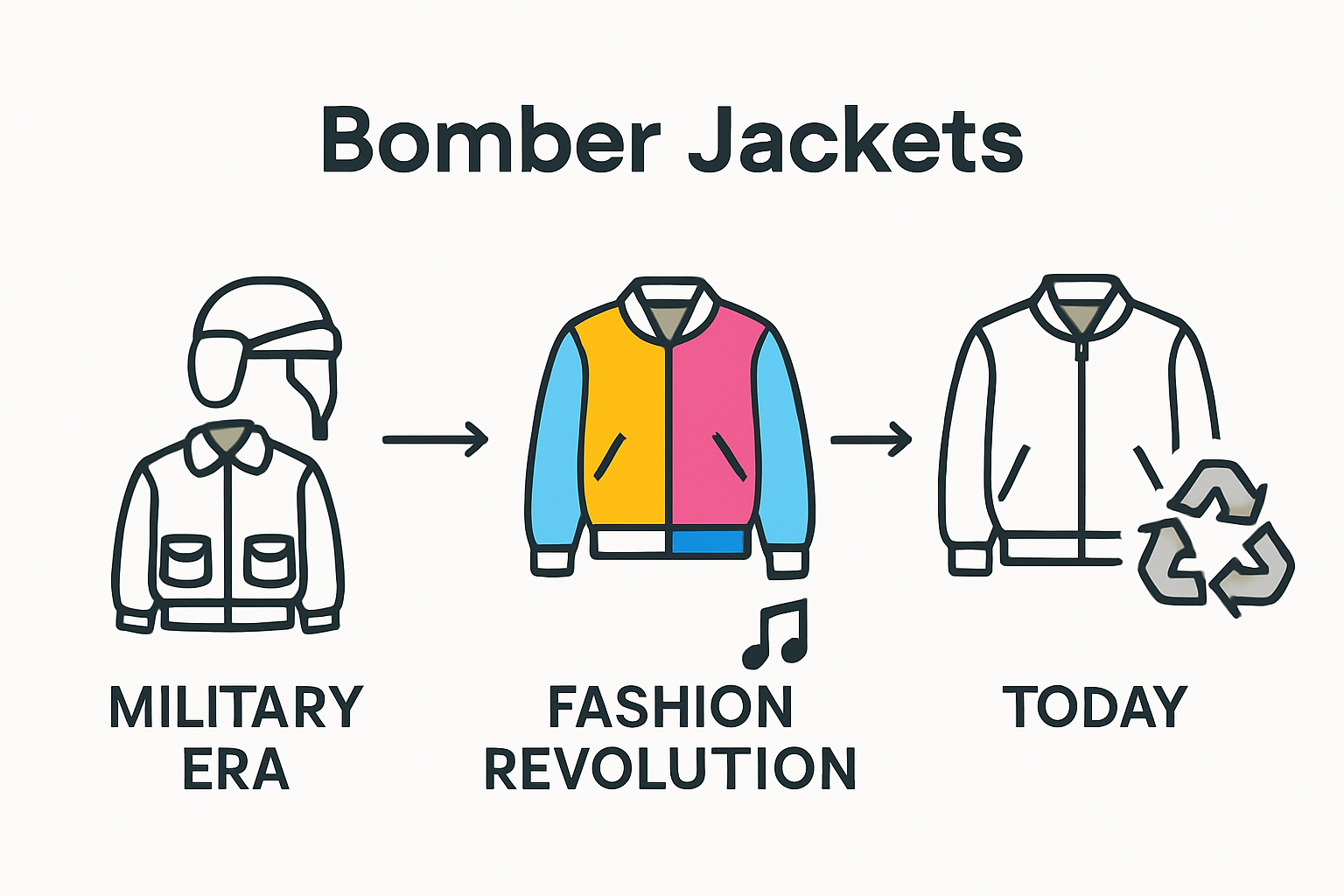
Modern Adaptations: Bomber Jackets in Today’s Fashion
Bomber jackets have solidified their position as a versatile and enduring fashion staple, continuously reinventing themselves for contemporary wardrobes. Discover the latest fashion staple trends and explore how these iconic jackets remain relevant in modern style landscapes.
Sustainable and Technological Innovations
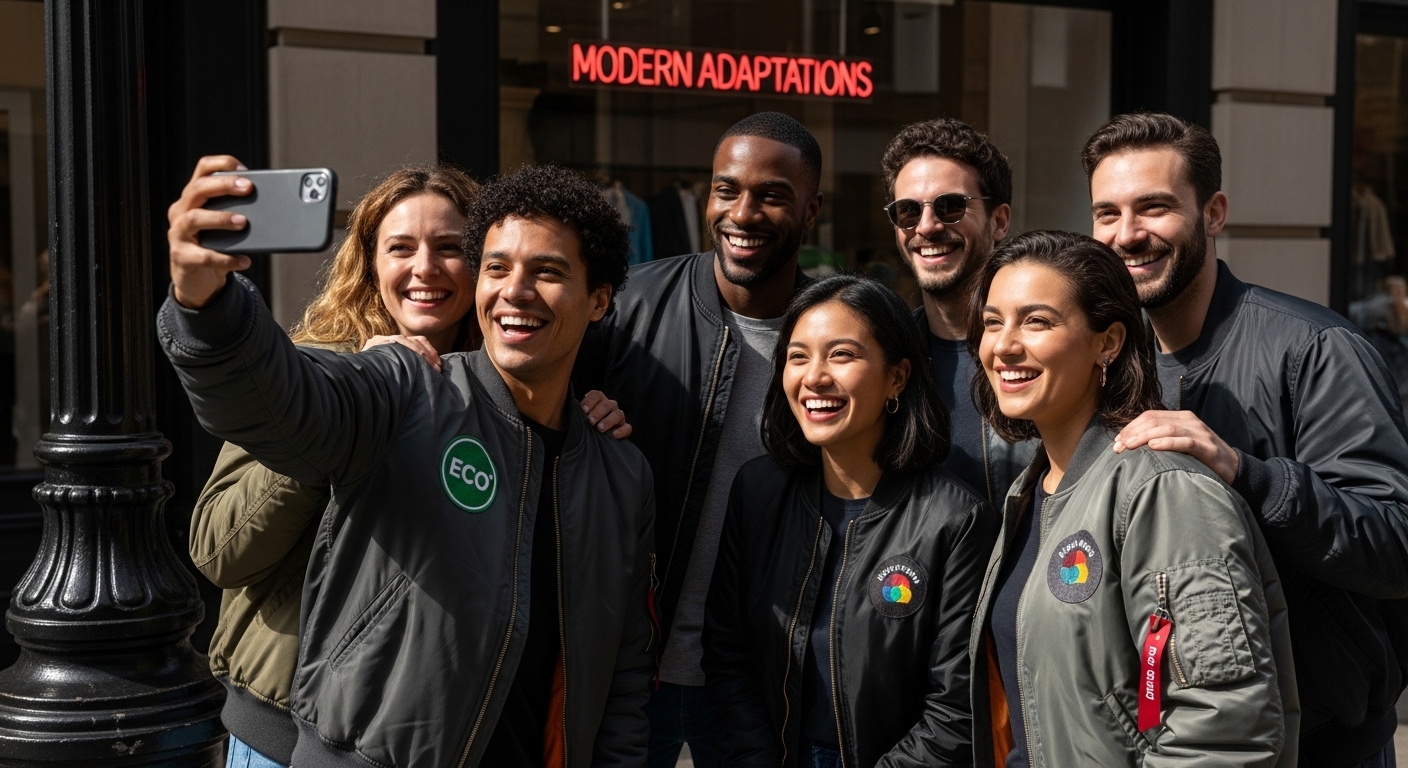
Modern bomber jackets are experiencing a remarkable transformation driven by sustainability and technological advancements. Designers are now prioritizing eco-friendly materials, creating jackets from recycled plastics, organic cotton, and innovative synthetic blends that reduce environmental impact. According to Vogue Business, this shift represents a significant trend in contemporary fashion design.
Key contemporary bomber jacket innovations include:
- Integration of smart textile technologies
- Use of biodegradable and recycled materials
- Development of temperature-regulating fabrics
- Incorporation of modular design elements
Diverse Style Representations
Today’s bomber jackets transcend traditional gender and cultural boundaries. High-end fashion designers and streetwear brands are creating inclusive designs that challenge conventional aesthetic norms. Oversized silhouettes, gender-neutral cuts, and multicultural design influences have transformed the bomber jacket from a military-inspired garment to a global fashion statement.
Runway shows and street style increasingly feature bomber jackets in unexpected fabrics like silk, velvet, and even technical performance materials. Luxury fashion houses have reimagined these jackets with intricate embellishments, complex layering techniques, and avant-garde structural designs that blur the lines between outerwear and art.
The contemporary bomber jacket represents more than clothing – it embodies a dynamic fusion of heritage, innovation, and personal expression that continues to evolve with global fashion trends.
Key Features: What Makes a Bomber Jacket Unique
Bomber jackets are distinguished by a set of specific design elements that separate them from other outerwear styles. Explore the reasons to wear a bomber jacket and understand the distinctive characteristics that make these garments truly special.
Structural Design Characteristics
A classic bomber jacket is immediately recognizable by its distinctive silhouette and construction. According to Fashion Institute of Technology, the jacket typically features a cropped length that sits at the waist, providing a structured yet comfortable fit. The most defining elements include a ribbed collar, waistband, and cuffs that create a snug, aerodynamic profile originally designed for military pilots.
Key structural features that define a true bomber jacket include:
- Fitted, elastic waistband
- Ribbed collar and cuff design
- Short, waist-length cut
- Front zipper closure
- Roomy, comfortable arm movement
Material and Functional Elements
Bomber jackets are characterized by their unique combination of form and function. The original design prioritized practical considerations like wind resistance and warmth, which remain central to modern interpretations. Traditionally constructed from leather or heavy-duty nylon, contemporary versions explore a wide range of materials while maintaining the jacket’s core functional DNA.
The most iconic bomber jackets typically feature specific functional details such as:
- Multiple front pockets (often with flap or zipper closures)
- Lightweight but insulating interior lining
- Durable outer shell capable of withstanding various weather conditions
- Versatile design that transitions between casual and semi-formal settings
The bomber jacket’s unique design represents a perfect blend of historical functionality and contemporary fashion, creating a garment that continues to captivate generations of style enthusiasts.
The following table summarizes the defining features of bomber jackets, making it easy to identify what sets them apart from other outerwear styles.
| Feature | Description |
|---|---|
| Cropped Waist-Length | Sits at or just above the waist for mobility and structure |
| Ribbed Collar, Cuffs, Waistband | Stretch knit for close fit and wind protection |
| Front Zipper Closure | Allows quick and easy fastening |
| Multiple Front Pockets | Practical storage, often with snaps or zippers |
| Durable Outer Material | Resistant to wind and weather, traditionally leather/nylon |
| Insulating Lining | Designed to provide warmth without bulk |
| Roomy Arm and Shoulder Fit | Allows for comfortable movement |
Bring Bomber Jacket History Into Your Wardrobe With Custom Style
You have read about the bomber jacket’s fascinating journey from rugged military gear to a worldwide fashion staple. Now you wonder how to celebrate that history while finding the perfect fit for your own style. One common challenge is discovering jackets that reflect authentic heritage, offer modern comfort, and suit your unique preferences. Many off-the-rack options do not offer true customization, leaving you stuck between timeless appeal and personal expression.
Explore our expertly curated Maker of Jacket’s collection to experience a wide range of bomber jackets inspired by decades of fashion evolution.
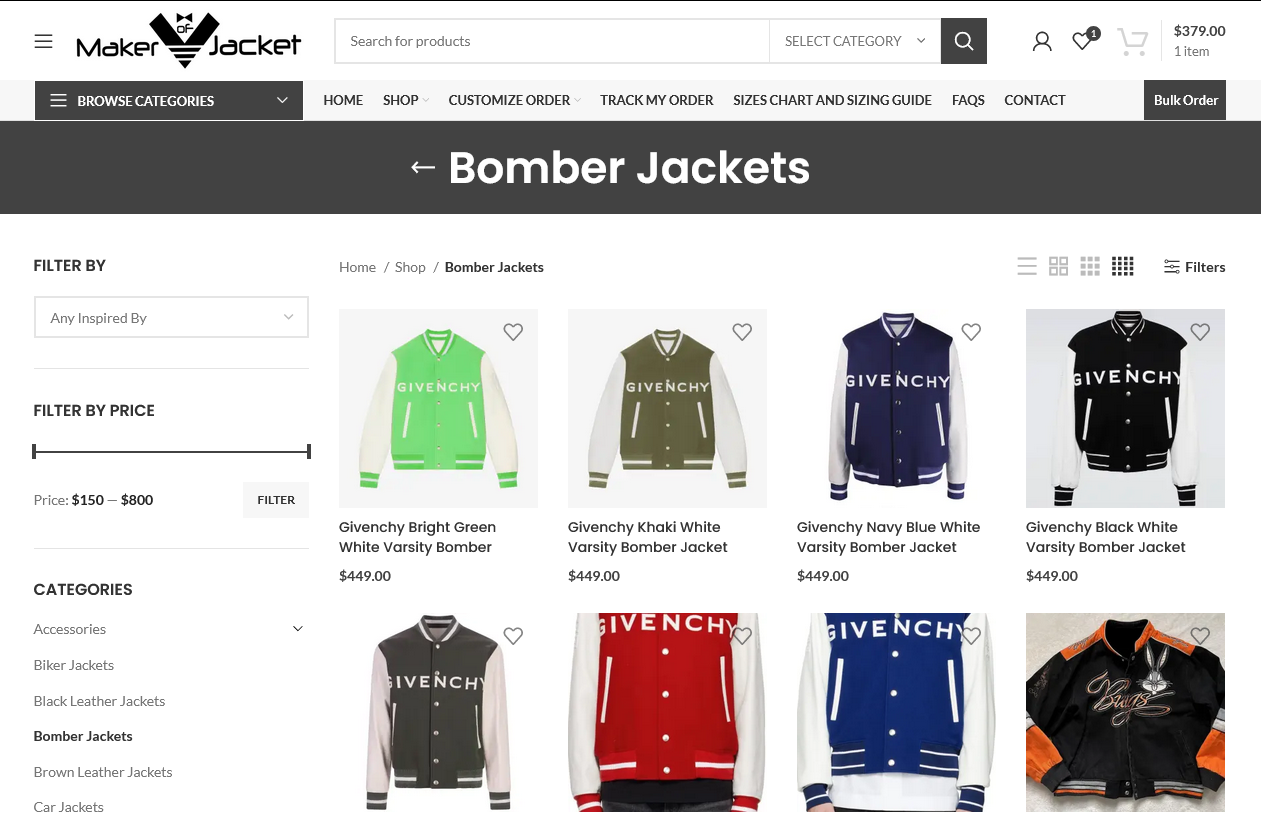
Choose a look rooted in tradition but tailored just for you. With Maker of Jacket, you get customizable features, premium materials, and a simple ordering process that puts history right on your back. Start browsing now and claim a jacket that stands out from the ordinary.
Frequently Asked Questions
What is the origin of bomber jackets?
Bomber jackets originated from military aviation needs during World War I, designed as functional outerwear for pilots facing extreme cold at high altitudes.
How did bomber jackets transition from military gear to fashion?
After World War II, returning soldiers wore their bomber jackets, introducing them into civilian fashion. The rugged design quickly became a symbol of adventure and rebellion, which was popularized by Hollywood and musicians in the following decades.
What are the key features that make a bomber jacket unique?
Bomber jackets are characterized by a cropped length, ribbed collar, cuffs, and waistband, alongside functional elements like multiple front pockets and durable outer materials that provide warmth and wind resistance.
How have materials used in bomber jackets changed over time?
Originally made from heavyweight leather and wool, modern bomber jackets now include lighter synthetic fabrics like nylon and polyester, offering improved water resistance and comfort while maintaining the iconic design.


