

Understanding Sustainable Fashion Choices for Everyone


Sustainable fashion choices are shaping the way people think about what they wear. It turns out the fashion industry is responsible for roughly 10 percent of global carbon emissions and creates massive amounts of waste every year. Most surprising is that shifting just a few habits in your closet can help cut millions of tons of emissions and directly support better wages and safer factories for workers around the world.
Table of Contents
- What Are Sustainable Fashion Choices?
- Why Sustainable Fashion Matters In Today’s World
- How Sustainable Fashion Works: Key Principles
- The Role Of Materials And Production In Sustainable Fashion
- Real-World Impact Of Sustainable Fashion Choices
Quick Summary
| Takeaway | Explanation |
|---|---|
| Choose sustainable materials | Opt for clothing made from organic or recycled fabrics that support ecological health. |
| Support ethical production | Select brands that prioritize fair labor practices and safe working conditions for workers. |
| Prioritize longevity in clothing | Invest in versatile, durable pieces that can be used multiple ways to reduce waste. |
| Consider the entire lifecycle | Evaluate clothing from the sourcing to disposal stages for a comprehensive understanding of its impact. |
| Make informed purchasing decisions | Be aware of the environmental and social context behind your clothing choices to encourage responsible practices. |
What are Sustainable Fashion Choices?
Sustainable fashion choices represent a deliberate approach to clothing consumption that minimizes environmental impact and promotes ethical production practices. These choices go beyond mere aesthetic preferences, transforming fashion into a responsible decision that considers the broader ecological and social implications of our wardrobe selections.
Understanding the Core Principles
At its heart, sustainable fashion choices involve selecting clothing and accessories produced with minimal harm to the environment and maximum respect for human labor. This means prioritizing garments that are:
- Crafted from environmentally friendly materials
- Produced under fair labor conditions
- Designed for longevity and multiple uses
- Created with reduced carbon and water footprints
The movement challenges traditional fast fashion models by encouraging consumers to think critically about their clothing purchases. According to Fashion Revolution, sustainable fashion emphasizes transparency about manufacturing processes, empowering individuals to make informed decisions that support both environmental integrity and social justice.
Key Considerations in Making Sustainable Choices
Making sustainable fashion choices requires a holistic perspective. This means evaluating clothing not just by its immediate aesthetic appeal, but by understanding its entire lifecycle. Consumers should consider factors like material sourcing, manufacturing conditions, potential for reuse, and eventual disposal.
Some practical approaches include investing in high-quality, versatile pieces that can be styled multiple ways, selecting natural or recycled fabrics, and supporting brands committed to ethical production. Read more about our sustainable fashion collections to explore options that align with these principles.
Ultimately, sustainable fashion choices represent a powerful personal commitment to environmental stewardship and ethical consumption. By making mindful selections, individuals can contribute to a more responsible and conscious fashion ecosystem.
Why Sustainable Fashion Matters in Today’s World
Sustainable fashion has transformed from a niche concept to a critical global movement addressing significant environmental and social challenges. The traditional fashion industry has long been characterized by practices that generate substantial ecological damage and human rights concerns, making sustainable choices more important than ever.
Environmental Impact of Traditional Fashion
The fashion industry is a major contributor to global environmental degradation. According to Nature Journal, the sector produces approximately 10% of global carbon emissions and consumes massive amounts of water and resources. The consequences of unchecked fashion production include:
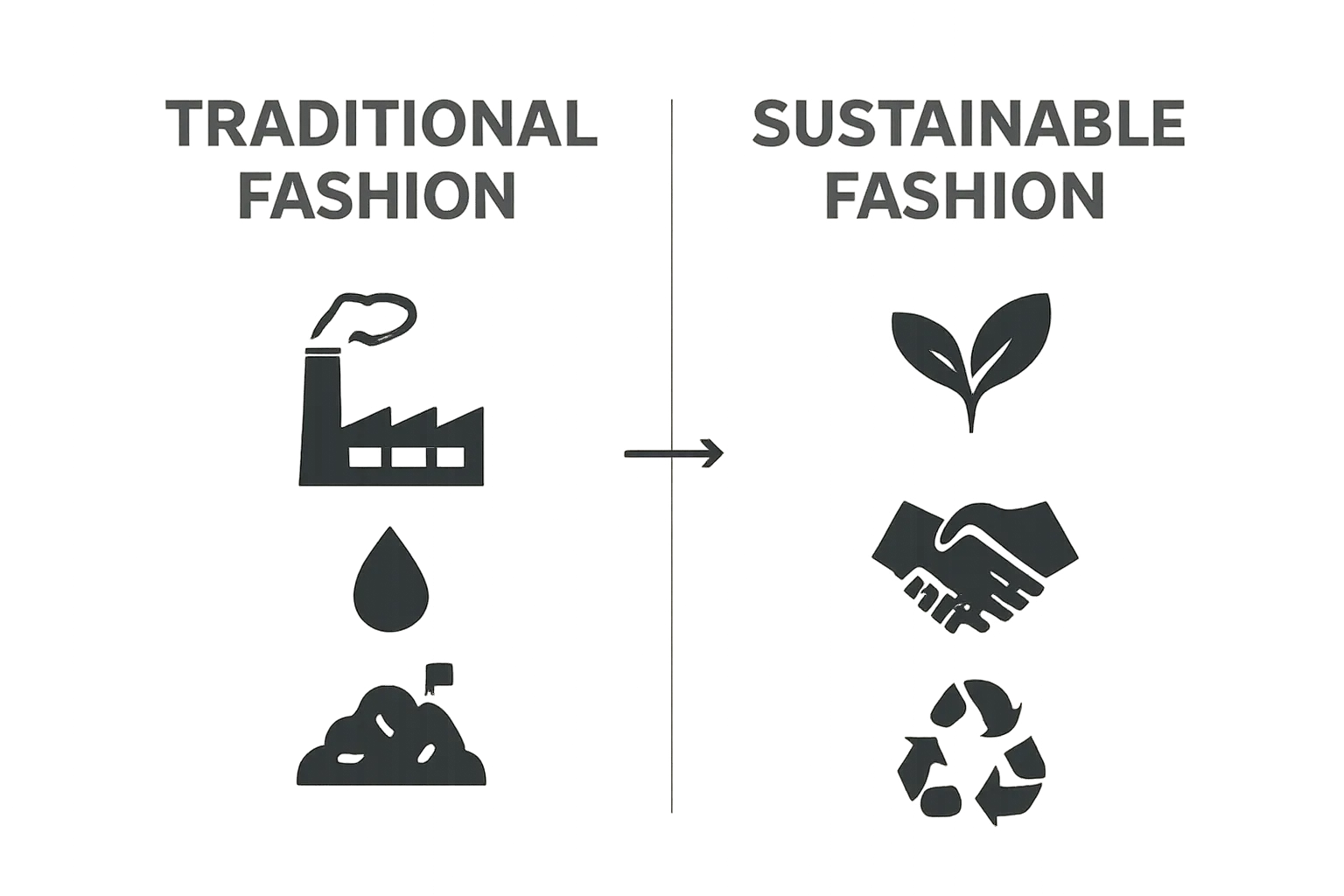
- Significant water pollution from textile manufacturing
- Extensive carbon emissions from global supply chains
- Massive textile waste in landfills
- Depletion of non renewable resources
Social and Economic Dimensions
Beyond environmental concerns, sustainable fashion addresses critical human rights issues within global manufacturing systems. The movement challenges exploitative labor practices by promoting fair wages, safe working conditions, and ethical production standards. Learn more about our sustainability commitment and how conscious consumer choices can drive meaningful change.
By supporting sustainable fashion, individuals contribute to a broader economic transformation that values worker dignity, environmental preservation, and long term global well being.
The following table highlights key environmental and social issues in traditional versus sustainable fashion, helping readers compare how each approach impacts the world.
| Aspect | Traditional Fashion | Sustainable Fashion |
|---|---|---|
| Environmental Impact | High carbon emissions, water pollution, and significant waste | Reduced carbon footprint, lower pollution, minimal waste |
| Material Sourcing | Reliance on non-renewable, synthetic materials | Use of organic, recycled, or renewable materials |
| Labor Practices | Risk of exploitative labor and unsafe conditions | Emphasis on fair wages and safe working environments |
| Clothing Longevity | Short-lived, fast turnover | Durable, versatile, designed for long-term use |
| Transparency | Limited insight into production processes | Focus on transparency and responsible sourcing |
How Sustainable Fashion Works: Key Principles
Sustainable fashion operates through a comprehensive approach that transforms traditional clothing production and consumption models. This framework focuses on minimizing environmental impact, promoting ethical practices, and creating a more responsible fashion ecosystem.
Material Selection and Sourcing
The foundation of sustainable fashion begins with conscious material selection. Designers and manufacturers prioritize materials that have minimal ecological footprints and support regenerative practices. According to United Nations Environment Programme, this approach involves:
- Using organic or recycled fabrics
- Selecting materials with low water and chemical requirements
- Prioritizing renewable and biodegradable resources
- Minimizing waste during fabric production
Design and Production Philosophy
Sustainable fashion fundamentally reimagines clothing design through principles of circularity and longevity. This means creating garments that are not just aesthetically pleasing but also durable, repairable, and adaptable. Explore our sustainable design approach to understand how thoughtful design can reduce environmental impact.
Manufacturers committed to sustainable fashion invest in technologies and processes that reduce energy consumption, minimize waste, and ensure fair labor practices. They view clothing as a long term investment rather than a disposable commodity, challenging the fast fashion model of constant production and rapid turnover.
Consumer Engagement and Lifecycle Thinking
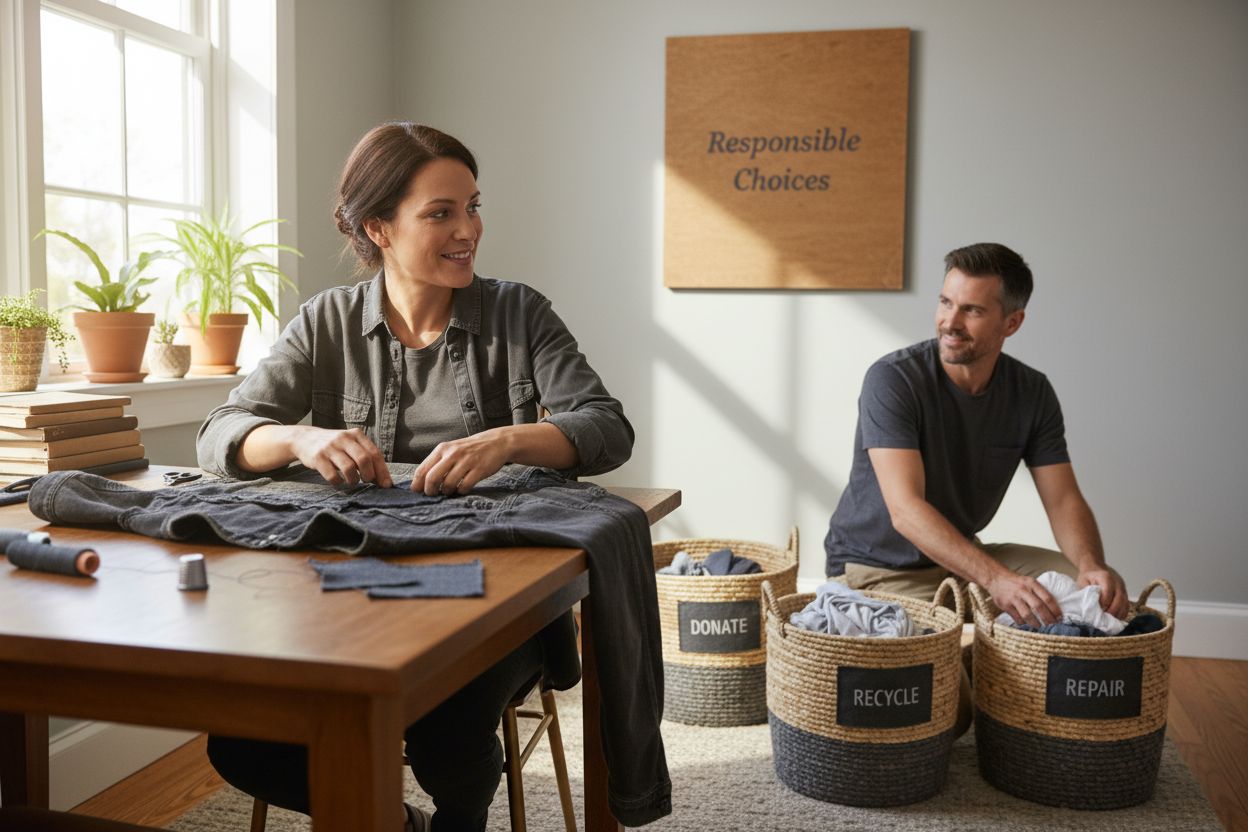
Sustainable fashion extends beyond production to include consumer behavior and product lifecycle management. Individuals are encouraged to make informed choices by understanding the full environmental and social context of their clothing. This involves purchasing fewer, higher quality items, maintaining garments properly, and considering repair or upcycling options before discarding clothing.
By embracing these principles, sustainable fashion creates a more holistic and responsible approach to clothing that respects both environmental boundaries and human dignity.
This table summarizes the main principles and practices found in sustainable fashion, providing a concise reference for the components that collectively define responsible clothing production and consumption.
| Principle | Sustainable Practice Example |
|---|---|
| Material Selection | Use organic, recycled, or biodegradable fabrics |
| Design Philosophy | Create long-lasting, repairable, and versatile garments |
| Ethical Manufacturing | Ensure fair wages and safe working conditions |
| Resource Efficiency | Minimize water and energy usage during production |
| Waste Minimization | Incorporate recycling, upcycling, and closed-loop systems |
| Consumer Engagement | Encourage mindful purchasing, proper care, and reuse |
| Transparency | Provide clear information about sourcing and processes |
The Role of Materials and Production in Sustainable Fashion
Sustainable fashion is fundamentally defined by its approach to material selection and manufacturing processes. These two interconnected elements form the core of environmentally responsible clothing production, transforming how garments are conceived, created, and ultimately consumed.
Material Innovations and Selection
Sustainable materials represent the foundational building blocks of ethical fashion design. Innovative textiles go beyond traditional fabric production, focusing on reducing environmental impact and creating closed loop systems. According to Textile Exchange, responsible material sourcing involves:
- Utilizing organic and regenerative fibers
- Developing recycled fabric technologies
- Exploring bio based and compostable materials
- Minimizing chemical and water usage in fabric production
Production Processes and Ethical Manufacturing
Sustainable production transcends mere fabric creation, encompassing comprehensive environmental and social responsibility. Manufacturers committed to sustainable practices prioritize energy efficiency, worker welfare, and reduced carbon emissions. This holistic approach reimagines industrial processes through the lens of ecological and human preservation.
Learn more about our sustainable production methods to understand how advanced manufacturing techniques can create meaningful change in the fashion industry.
Technological Advancements and Future Perspectives
Cutting edge technologies are revolutionizing sustainable fashion production. Advanced recycling techniques, digital design tools, and precision manufacturing are enabling designers to create high quality garments with dramatically reduced environmental footprints. These innovations demonstrate that sustainable fashion is not about compromise but about reimagining possibility through intelligent, responsible design.
Real-World Impact of Sustainable Fashion Choices
Sustainable fashion choices extend far beyond individual wardrobe selections. They represent a powerful mechanism for driving systemic change across global environmental and social landscapes, transforming how entire industries approach production, consumption, and resource management.
Environmental Transformation
Consumer decisions have substantial ecological consequences. According to McKinsey, strategic sustainability initiatives could potentially reduce annual CO2 emissions by 143 million tons by 2030. This substantial environmental impact demonstrates how collective consumer choices can trigger meaningful climate action through fashion.
The real world implications of sustainable fashion choices include:
- Reduced water consumption in textile production
- Decreased chemical pollution from manufacturing
- Lower greenhouse gas emissions
- Protection of biodiversity through responsible sourcing
Economic and Social Implications
Sustainable fashion choices create ripple effects through global economic systems. By supporting ethical production models, consumers directly contribute to improving working conditions, fair wage structures, and community development in manufacturing regions. Explore our commitment to sustainable economic practices to understand how purchasing decisions can drive meaningful social change.
Individual and Collective Empowerment
Each sustainable fashion choice represents a vote for the kind of world individuals want to create. While individual actions might seem small, collective movement transforms industries. Consumers are increasingly recognizing their power to influence corporate behavior through intentional purchasing, pushing brands toward more transparent, responsible practices that prioritize both environmental stewardship and human dignity.
Make Every Jacket a Sustainable Statement
Choosing responsible fashion should never mean sacrificing style, variety, or personal expression. If you are tired of fast fashion’s waste or worried about the impact of your wardrobe, you are not alone. The article breaks down how sustainable fashion choices empower you to minimize environmental footprint and embrace ethical production. Ready to put these principles into action without compromising on individuality? Start your journey with our unique Maker of Jacket’s collection, where sustainable materials and careful craftsmanship meet every style imaginable.
Now is the moment to wear your values while standing out from the crowd. Discover premium, customizable jackets built to last and tailored for you. Explore the complete range at Maker of Jacket today and transform your closet into a force for good. For those looking for more than jackets, browse our leather pants collection as well. Make a sustainable choice that feels as good as it looks—because your next fashion decision can help shape a better future.
Frequently Asked Questions
What are sustainable fashion choices?
Sustainable fashion choices refer to clothing and accessories that are produced with minimal environmental impact and ethical practices, emphasizing materials and manufacturing processes that respect both ecological and social systems.
Why is sustainable fashion important?
Sustainable fashion is crucial because it addresses the severe environmental damage and human rights issues caused by traditional fashion practices, such as high carbon emissions, waste generation, and exploitative labor.
How can consumers make sustainable fashion choices?
Consumers can make sustainable fashion choices by selecting high-quality, versatile garments, opting for items made from organic or recycled materials, and considering the entire lifecycle of their clothing, including reuse and disposal options.
What role does material selection play in sustainable fashion?
Material selection is foundational in sustainable fashion, with emphasis on using eco-friendly, organic, and recycled fabrics that reduce the ecological footprint of clothing production and support a more responsible fashion ecosystem.


