

Understanding Synthetic vs Real Leather: A Comprehensive Guide

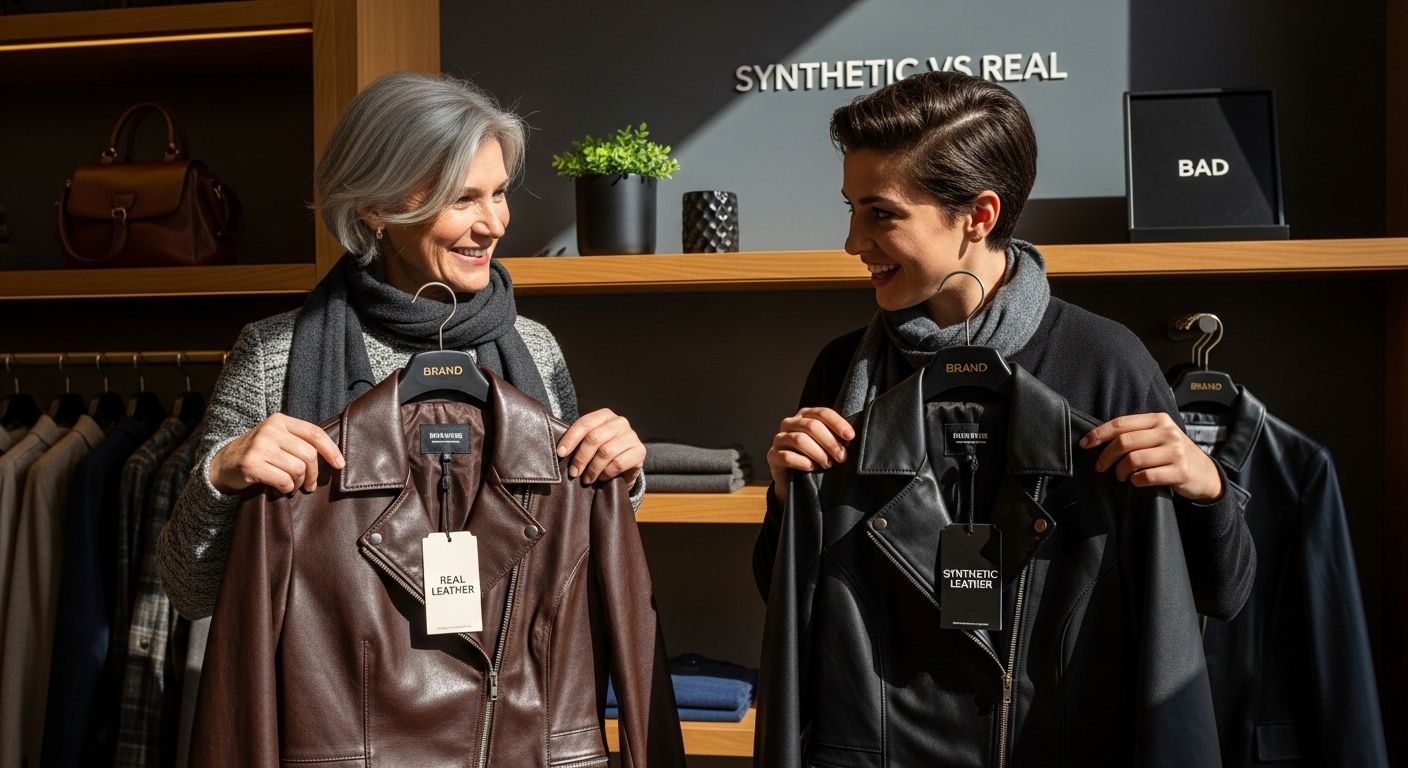
Leather jackets and handbags have always been symbols of style and luxury. But not everything that looks or feels like leather actually comes from animals. In fact, millions of fashion pieces every year are now made from synthetic leather, a material that looks so real most people cannot tell the difference. The real surprise is that choosing between real and synthetic leather is not just about looks or price—it shapes how long your items last, what it takes to care for them, and even their impact on the planet.
Table of Contents
- Defining Synthetic And Real Leather: Basic Concepts
- Material Composition: How Synthetic And Real Leather Are Made
- Durability And Maintenance: Key Differences And Considerations
- Environmental Impact: Sustainable Choices In Leather Fashion
- Fashion Trends: The Growing Influence Of Synthetic Leather
Quick Summary
| Takeaway | Explanation |
|---|---|
| Real leather lasts longer than synthetic leather. | Genuine leather can last decades with proper care, developing a rich patina over time. |
| Synthetic leather is easier to maintain. | Faux leather requires less specialized care, making it convenient for daily use. |
| Real leather production has significant environmental impacts. | Cattle farming contributes to greenhouse gas emissions and requires large water resources. |
| Synthetic leather offers design flexibility. | Available in various colors and textures, it caters to diverse consumer preferences. |
| Technological advancements improve synthetic leather quality. | Innovative materials like plant-based alternatives enhance durability and performance, challenging traditional leather. |
Defining Synthetic and Real Leather: Basic Concepts
Leather represents a fascinating material with two primary classifications: real and synthetic. Understanding the fundamental differences between these materials helps consumers make informed purchasing decisions, especially when considering leather products like jackets, accessories, and apparel.
What Exactly is Real Leather?
Real leather, also known as genuine leather, is a natural material derived directly from animal hide, most commonly from cattle. According to Britannica, this material undergoes a complex tanning process that transforms raw animal skin into a durable, flexible substance. The production involves several critical steps:
- Removing hair and preparing the hide
- Treating the hide with chemical solutions
- Conditioning to enhance flexibility and durability
- Finishing with protective coatings
The resulting material maintains natural characteristics like unique grain patterns, breathability, and exceptional longevity. Each piece of real leather tells a unique story through its natural imperfections and textures.
Understanding Synthetic Leather
Synthetic leather, alternatively called faux or artificial leather, represents a manufactured alternative designed to mimic real leather’s appearance and feel. Produced using plastic polymers such as polyvinyl chloride (PVC) or polyurethane (PU), scientific research from the National Center for Biotechnology Information indicates these materials are engineered to replicate leather’s aesthetic qualities without using animal products.
Synthetic leather offers several advantages: lower production costs, consistent appearance, and alignment with animal-friendly manufacturing practices. Manufacturers can create synthetic leather in various colors, textures, and finishes, providing consumers with more design flexibility compared to traditional leather.
Whether you prefer exploring authentic leather jacket options or are curious about synthetic alternatives, understanding these fundamental differences empowers you to make more informed purchasing decisions.
To help readers quickly compare the essential characteristics of real leather and synthetic leather, the following table summarizes their main differences based on material, appearance, durability, care, and environmental impact.
| Feature | Real Leather | Synthetic Leather |
|---|---|---|
| Material Source | Animal hide (usually cattle) | Plastic polymers (PU, PVC) |
| Appearance | Natural grain, unique imperfections | Consistent texture, wide color/finish range |
| Durability | Can last decades with proper care | May degrade faster, more prone to cracking/peeling over time |
| Maintenance | Requires conditioning, specialized care | Easy cleaning with mild soap and water |
| Environmental Impact | High: livestock emissions, water use, chemical tanning | High: non-biodegradable, microplastic shedding, petroleum-based |
Material Composition: How Synthetic and Real Leather are Made
The manufacturing processes for real and synthetic leather represent fascinating examples of material engineering, each with unique production techniques that transform raw materials into versatile fabrics used across multiple industries.
Real Leather Production Process
Real leather production begins with carefully sourced animal hides, predominantly from cattle. According to Encyclopaedia Britannica, the transformation involves several sophisticated stages:
- Preparation: Removing hair, flesh, and non-essential tissue from raw hide
- Tanning: Chemical treatment using substances like chromium salts to stabilize protein structures
- Conditioning: Adding oils and lubricants to enhance flexibility
- Finishing: Applying protective coatings and color treatments
The entire process can take several weeks, with each hide requiring meticulous handling to preserve its natural characteristics. Skilled artisans ensure that each leather piece maintains its unique grain pattern and structural integrity.
Synthetic Leather Manufacturing
Synthetic leather production represents a more controlled, industrial approach to creating leather-like materials. Manufacturers utilize plastic polymers such as polyurethane (PU) or polyvinyl chloride (PVC) to engineer fabric that mimics leather’s aesthetic and functional properties.
The manufacturing process typically involves:
- Applying polymer layers onto fabric backings
- Embossing textures to simulate natural leather grain
- Adding color and surface treatments for realistic appearance
- Implementing advanced coating technologies for durability
Modern synthetic leather technologies have significantly improved, creating materials that are increasingly indistinguishable from genuine leather. Explore our comprehensive guide on leather jacket materials to understand these nuanced manufacturing techniques better.
While both materials serve similar aesthetic purposes, their production methods reflect fundamentally different approaches to creating durable, attractive fabrics for clothing and accessories.
For an at-a-glance understanding of the key stages in the production of both real and synthetic leather, refer to the table below, which outlines and contrasts their respective manufacturing steps.
| Stage | Real Leather | Synthetic Leather |
|---|---|---|
| Initial Material | Animal hide (raw) | Fabric backing (usually polyester or cotton) |
| Core Process | Tanning with chemicals | Coating with PU or PVC polymer |
| Texture/Finish | Natural grain, conditioned | Embossed grain and added surface treatments |
| Final Touch | Protective and color finishes | Coloring and protective coatings |
| Time Required | Several weeks | Shorter, industrial timescales |
Durability and Maintenance: Key Differences and Considerations
When selecting leather products, understanding the durability and maintenance requirements of real versus synthetic leather becomes crucial for making informed purchasing decisions. Each material presents unique characteristics that impact its longevity, appearance, and care requirements.
Longevity and Performance Characteristics
According to research from the University of Nebraska–Lincoln, genuine leather demonstrates superior durability compared to synthetic alternatives. Real leather exhibits remarkable resilience and can potentially last decades when properly maintained. Key performance differences include:
- Real Leather: Develops a rich patina over time, becomes more supple with age
- Synthetic Leather: Maintains consistent appearance but may degrade faster
- Wear Resistance: Natural leather withstands more mechanical stress
- Environmental Adaptability: Real leather breathes better and adapts to temperature changes
The natural fibers in genuine leather contribute to its exceptional strength, allowing it to resist tearing and maintain structural integrity through extended use.
Maintenance and Care Requirements
Maintenance strategies differ significantly between real and synthetic leather. Real leather demands more specialized care, including periodic conditioning to prevent drying and cracking. Synthetic leather, while easier to maintain, requires different cleaning approaches:
- Real Leather Care:
- Use leather-specific conditioners
- Avoid direct sunlight exposure
- Clean with soft, damp cloths
- Store in cool, dry environments
- Synthetic Leather Care:
- Use mild soap and water
- Avoid harsh chemical cleaners
- Wipe with microfiber cloths
- Minimize exposure to extreme temperatures
Discover more about maintaining leather jackets and understanding their unique care requirements. Professional maintenance can significantly extend the lifespan of both real and synthetic leather products, ensuring they remain functional and visually appealing for years.

Environmental Impact: Sustainable Choices in Leather Fashion
The leather industry represents a complex landscape of environmental considerations, where consumer choices significantly influence ecological sustainability. Understanding the environmental footprints of both real and synthetic leather becomes crucial in making responsible fashion decisions.
Real Leather’s Environmental Challenges
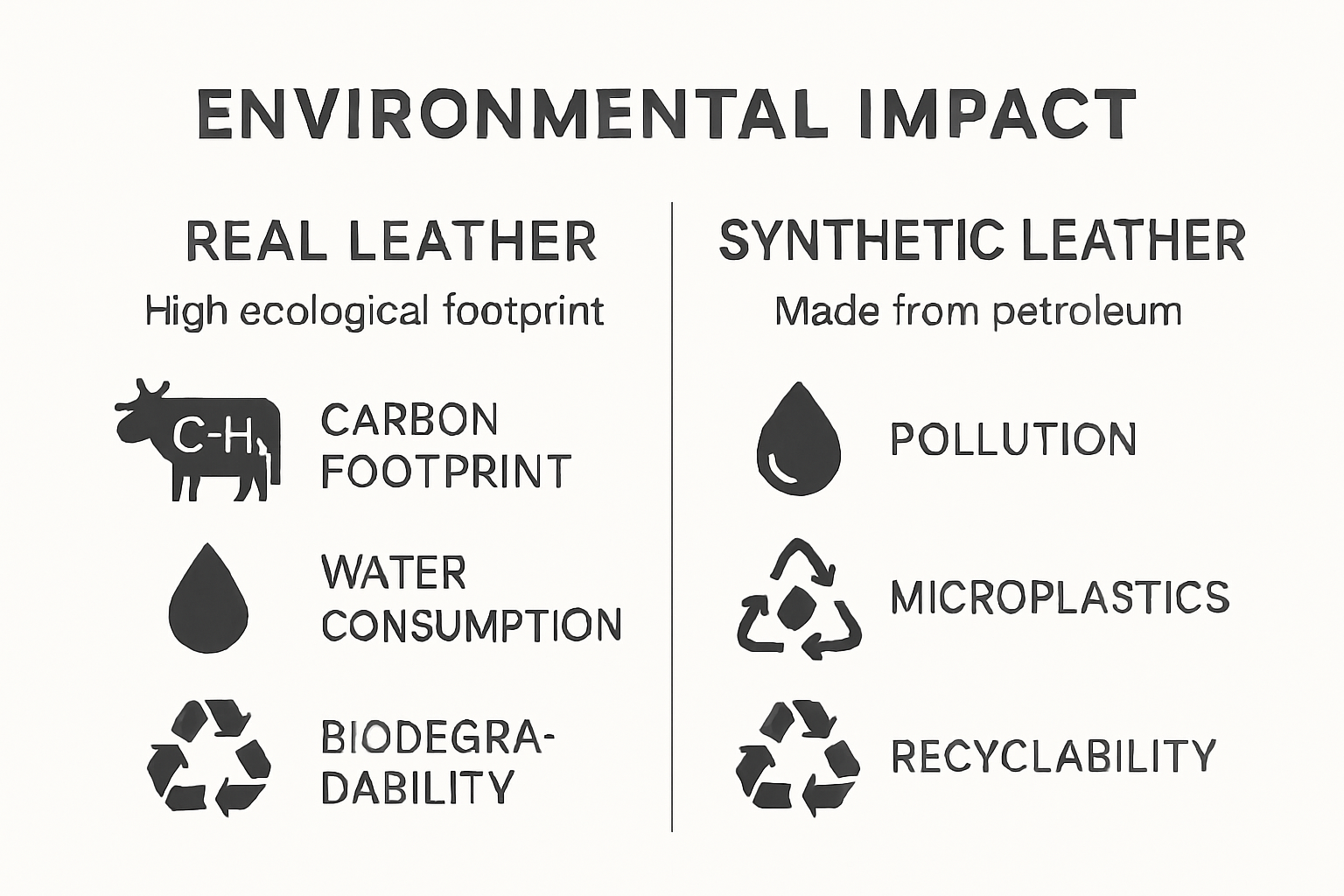
According to the World Wildlife Fund, real leather production presents substantial environmental challenges. The livestock industry contributes significantly to global greenhouse gas emissions and deforestation. Key environmental concerns include:
- Carbon Footprint: Extensive methane emissions from cattle farming
- Water Consumption: Massive water requirements for animal raising and leather processing
- Chemical Pollution: Toxic tanning chemicals potentially contaminating water systems
- Land Use: Substantial land dedicated to livestock and leather production
Responsible sourcing and ethical production have become increasingly important in mitigating these environmental impacts.
Synthetic Leather’s Ecological Considerations
Synthetic leather, while appearing more environmentally friendly, presents its own set of ecological challenges. Plastic-based materials derived from petroleum products introduce long-term environmental risks:
- Non-Biodegradability: Synthetic materials persist in landfills for hundreds of years
- Microplastic Shedding: Continuous release of harmful plastic particles
- Production Emissions: Significant carbon emissions during manufacturing
- Limited Recyclability: Difficult to break down or repurpose
Explore sustainable fashion alternatives that balance aesthetic appeal with environmental consciousness. Emerging technologies are developing innovative materials that offer reduced ecological impact, such as leather alternatives made from agricultural waste and recycled materials.
Fashion Trends: The Growing Influence of Synthetic Leather
The fashion landscape is experiencing a transformative shift with synthetic leather emerging as a powerful trend, driven by evolving consumer preferences, technological innovations, and heightened environmental consciousness.
Consumer Driven Transformation
According to recent fashion industry research, vegan leather has gained remarkable momentum, particularly among younger generations seeking ethical and sustainable alternatives. The movement transcends mere aesthetic preferences, representing a broader commitment to responsible consumption:
- Ethical Considerations: Rejection of animal-derived materials
- Environmental Awareness: Desire for lower carbon footprint products
- Design Flexibility: More color and texture options
- Cost Effectiveness: Generally more affordable than genuine leather
Gen Z and millennial consumers are particularly instrumental in driving this trend, demonstrating a clear preference for materials that align with their values of sustainability and animal welfare.
Technological Innovation in Material Design
Synthetic leather technology has dramatically evolved, offering increasingly sophisticated alternatives that challenge traditional perceptions. Modern synthetic leathers are no longer cheap imitations but sophisticated materials engineered to match or exceed genuine leather’s performance:
- Advanced polymer technologies
- Plant-based leather alternatives
- Improved durability and texture
- Enhanced manufacturing techniques
Explore emerging leather fashion trends that showcase how innovative materials are reshaping the industry. Designers are now experimenting with materials derived from unexpected sources like mushrooms, apple peels, and recycled plastics, demonstrating the incredible potential of synthetic leather technologies.
Take the Next Step: Choose the Right Leather Jacket for You
You have just learned the key differences between synthetic and real leather, including what makes each material unique in terms of durability, care requirements, and environmental considerations. Many shoppers struggle with finding leather apparel that not only matches their values but also looks and feels incredible. Maybe you want the long-lasting look of genuine leather, or perhaps you value cruelty-free alternatives. Deciding what works for your lifestyle and wardrobe should not be stressful.
Explore our curated collection to find the perfect match for your needs and preferences.
Join satisfied customers worldwide who trust Maker of Jacket for premium quality and true customization across every jacket style. Now is the perfect time to browse, personalize, and order your dream leather jacket. Experience our easy-to-use platform, free worldwide shipping, and expert support that make getting the right fit simple. Your next standout piece is only a click away.
Frequently Asked Questions
What is the main difference between synthetic and real leather?
The primary difference lies in their composition; real leather is made from animal hides, whereas synthetic leather is manufactured from plastic polymers like PVC or PU to imitate the look and feel of genuine leather.
How do the durability and lifespan of synthetic leather compare to real leather?
Real leather typically lasts much longer than synthetic leather, often decades with proper care, while synthetic leather may degrade faster over time, maintaining a consistent appearance but potentially lacking longevity.
What are the maintenance requirements for real leather compared to synthetic leather?
Real leather requires more specialized care, such as conditioning to prevent drying, while synthetic leather is easier to clean with mild soap and water, avoiding harsh chemicals.
Are there any environmental impacts associated with real and synthetic leather?
Yes, real leather production contributes to livestock-related emissions and chemical pollution, while synthetic leather is made from petroleum products, leading to non-biodegradability and potential microplastic shedding. Both have significant environmental considerations that consumers should be aware of.


