What is Genuine Leather? The Ultimate 2025 Guide for Fashion Fans

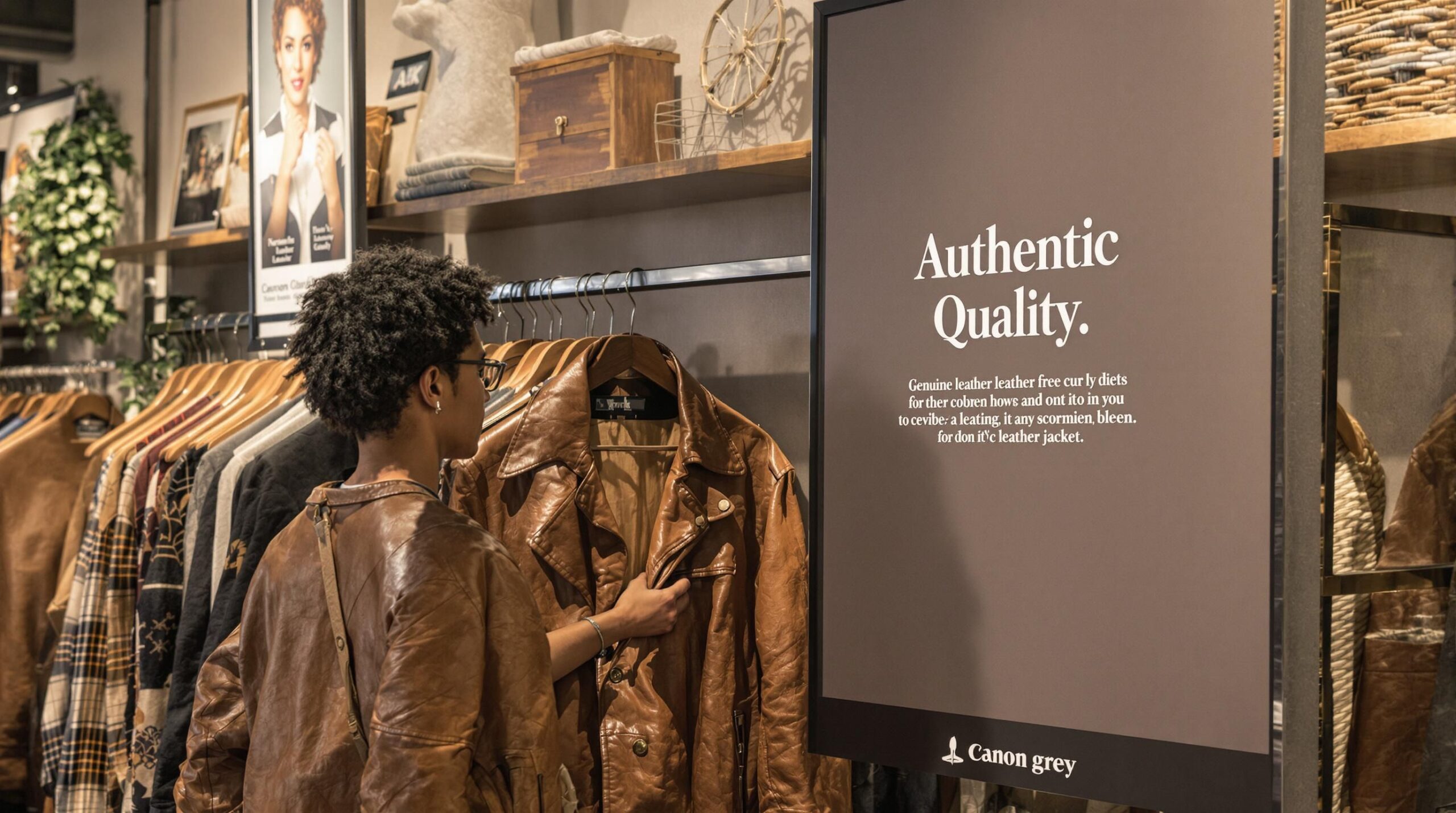
Genuine leather has been a fashion staple for decades, but its true identity remains one of the most misunderstood topics in the style world. People see the label and assume it means top quality, yet genuine leather only uses the lower layers of animal hide and is ranked below full-grain or top-grain leather. The real surprise is that its charm is not about perfection or luxury but about the unique character and story it develops over time, making it a favorite for those who want authenticity with a twist.
Table of Contents
- What Makes Leather ‘Genuine’?
- Genuine Leather Vs. Other Leather Types
- Choosing Genuine Leather For Your Style
- Care Tips For Long-Lasting Genuine Leather
Quick Summary
| Takeaway | Explanation |
|---|---|
| Genuine leather retains animal hide structure | Genuine leather is made from actual animal hide, preserving its unique texture and characteristics. |
| Different types of leather vary in quality | Genuine leather is lower quality than full-grain or top-grain, making it more affordable yet still authentic. |
| Genuine leather requires proper care for longevity | Regular cleaning and conditioning are essential to maintain its appearance and prevent damage over time. |
| Style compatibility is key for selection | Choose genuine leather items that match your existing wardrobe and personal style for versatility. |
| Label transparency is crucial when purchasing | Look for clear information about the origin and processing of genuine leather to ensure quality. |
What Makes Leather ‘Genuine’?
Understanding what truly defines real leather goes beyond simple marketing claims. At its core, real leather represents a complex material with specific characteristics that distinguish it from synthetic alternatives.
The Fundamental Structure of Genuine Leather
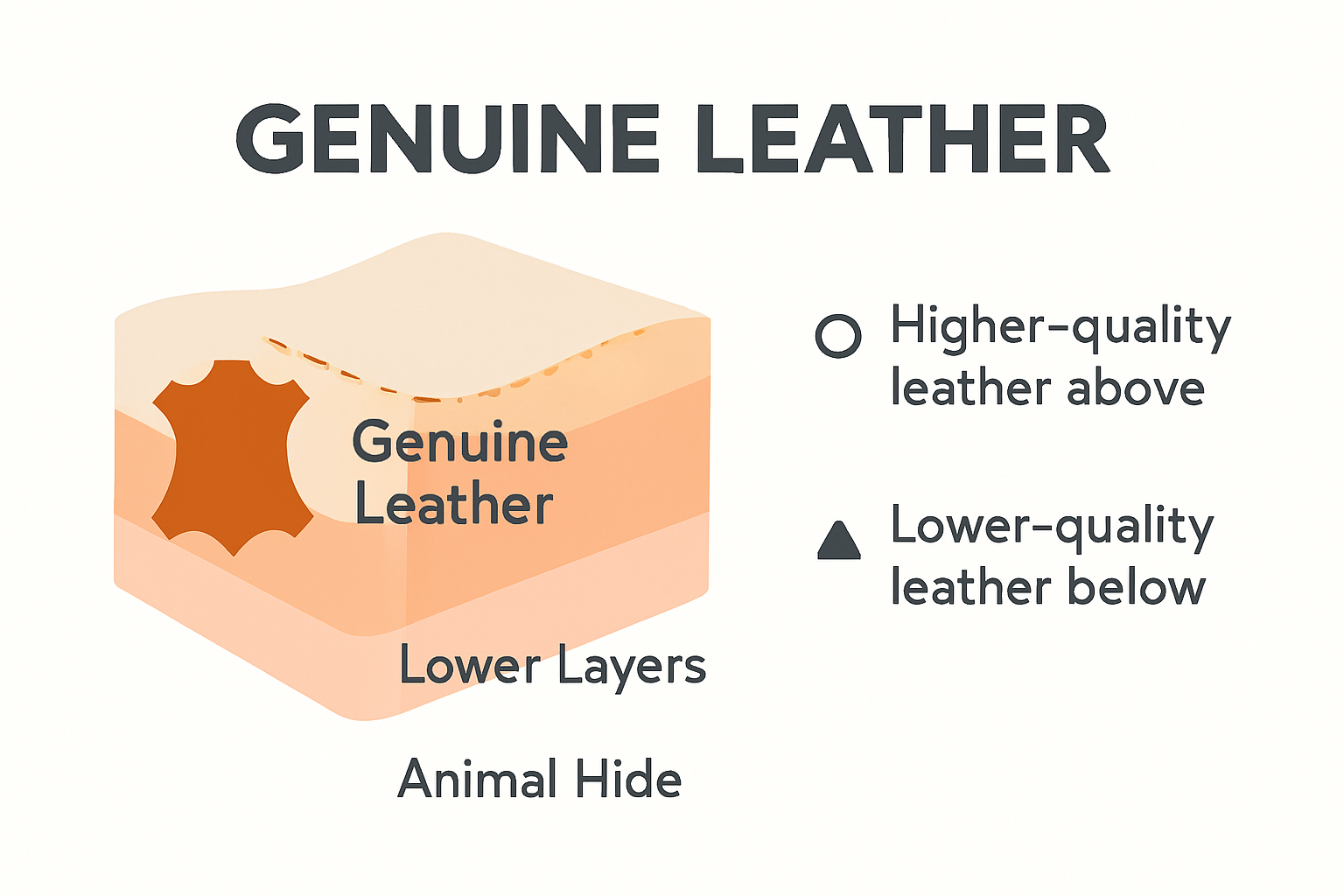
Genuine leather is not a marketing buzzword but a specific classification of leather product. Research from the National Leather Association reveals that genuine leather must be crafted from actual animal hide, typically sourced from cattle. What sets it apart is its retention of the hide’s original fibrous structure, which provides unique physical properties.
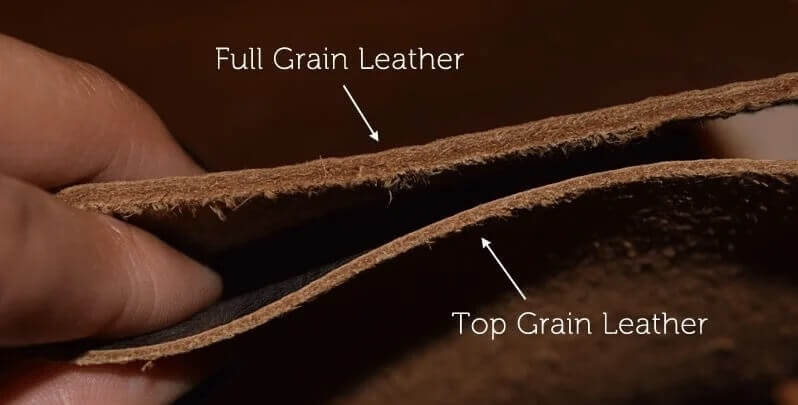
The manufacturing process involves carefully separating the hide’s layers. Unlike top-grain or full-grain leather, genuine leather is created from the lower layers of the hide. This means it’s technically the less premium section, but still maintains essential leather characteristics like durability and natural texture.
Processing and Quality Characteristics
According to a 2021 scientific review, genuine leather maintains critical attributes that synthetic materials cannot replicate. These include natural breathability, flexibility, and a distinctive aging process where the material develops a unique patina over time. The leather undergoes extensive processing to remove hair, treat the surface, and prepare it for use in various products.
Key quality indicators include:
- Texture Variation: Natural inconsistencies that prove the leather’s authenticity
- Breathability: Ability to allow air circulation, unlike synthetic alternatives
- Durability: Resistance to wear and tear compared to artificial leather
Consumer Considerations for Genuine Leather
For fashion enthusiasts and consumers, understanding genuine leather means recognizing its nuanced qualities. It’s not the highest-grade leather available, but it represents a solid, affordable option for those seeking authentic leather products. Check out our guide on leather jacket styles to explore how genuine leather fits into different fashion contexts.
When shopping, consumers should look for transparency in labeling. Genuine leather products should clearly indicate the leather’s origin, processing method, and layer of hide used. This helps buyers make informed decisions about the quality and potential longevity of their leather goods.
While genuine leather might not have the pristine perfection of top-grain leather, it offers a real, authentic material with its own unique charm and practical benefits. Its affordability and widespread availability make it a popular choice for those wanting to incorporate genuine leather into their wardrobe or accessories.
Genuine Leather vs. Other Leather Types
Understanding the differences between leather types helps consumers make informed purchasing decisions. Not all leather is created equal, and each classification offers unique characteristics that impact quality, durability, and aesthetic appeal.
The Leather Hierarchy: Understanding Quality Levels
Research from the Leather Industries Association reveals a clear hierarchy of leather types. At the top sits full-grain leather, which uses the entire hide’s top layer and retains all natural markings. Top-grain leather follows, where the surface is slightly sanded to remove imperfections. Genuine leather, situated lower in this hierarchy, represents a more processed and budget-friendly option.
Unlike premium leather types, real leather is crafted from the hide’s lower layers. According to leather production experts, this means it undergoes significant surface treatment. The leather is heavily sanded and treated with pigments to create a more uniform appearance, which differs dramatically from the natural texture of higher-grade leathers.
Comparative Analysis of Leather Types
The leather market offers several distinct types, each with specific manufacturing processes and characteristics. Bonded leather represents the most economical option, created by combining leather scraps with synthetic materials. Unlike genuine leather, bonded leather contains minimal actual leather fibers—sometimes as low as 10% of the total material.
Key differences include:
- Full-Grain Leather: Highest quality, unaltered hide surface
- Top-Grain Leather: Slightly processed, smooth appearance
- Genuine Leather: Lower-quality hide layers, heavily processed
- Bonded Leather: Least authentic, made from leather scraps and synthetics
Here’s a table comparing the main leather types available in the market, summarizing their source, processing, and relative quality:
| Leather Type | Source of Hide | Processing Level | Key Features | Relative Quality |
|---|---|---|---|---|
| Full-Grain | Top layer (whole hide) | Minimal | Natural markings, patina develops | Highest |
| Top-Grain | Top layer (sanded) | Moderate | Smooth, fewer imperfections | High |
| Genuine Leather | Lower hide layers | Heavy | Uniform appearance, durable | Moderate |
| Bonded Leather | Leather scraps & fibers | Extensive (mixed) | Synthetic content, not durable | Lowest |
Consumer Decision Making
Choosing between leather types requires understanding individual needs and budget constraints. Explore our comprehensive guide on leather jacket styles to better understand how different leather types perform in fashion contexts.
While genuine leather might not match the premium quality of full-grain options, it offers an accessible entry point for consumers wanting authentic leather products. Its affordability makes it attractive for fashion accessories, casual wear, and items that don’t require extreme durability.
Consumers should examine product labels carefully. Understanding the specific leather type helps set realistic expectations about the material’s appearance, longevity, and performance. Real leather provides a balance between authenticity and affordability, making it a practical choice for budget-conscious fashion enthusiasts seeking real leather products.
Choosing Genuine Leather for Your Style
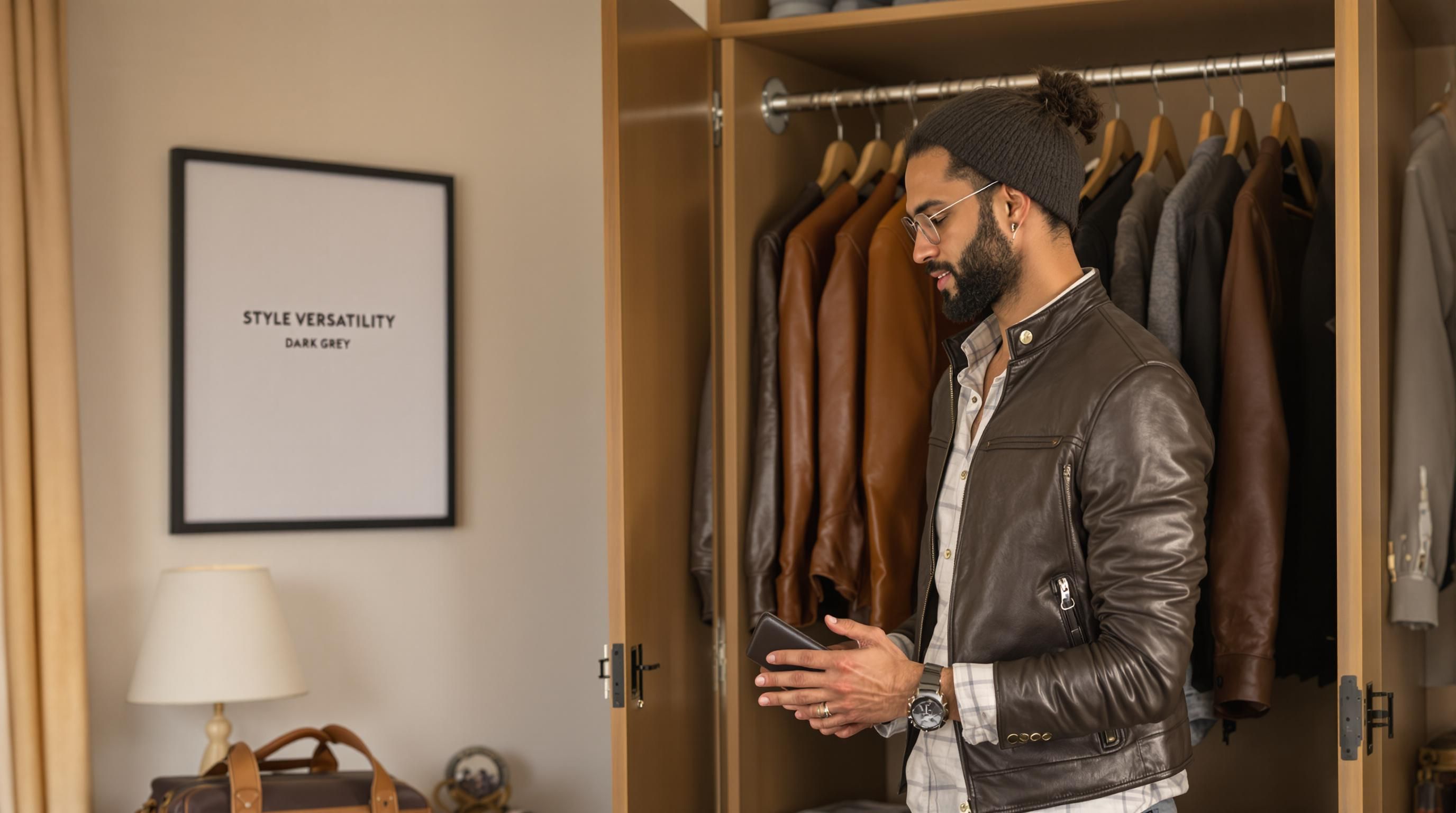
Selecting the right real leather piece requires understanding how this versatile material can enhance personal style and meet practical needs. Fashion enthusiasts recognize that genuine leather is more than a material—it’s a statement of individual aesthetic and practical functionality.
Understanding Style Compatibility
Fashion trend researchers note that real leather adapts remarkably well across different style profiles. Whether you prefer a classic, edgy, or minimalist look, this material offers remarkable versatility. The key lies in selecting pieces that complement your existing wardrobe and personal aesthetic.
For urban professionals, real leather jackets or accessories provide a polished edge. Motorcycle enthusiasts might gravitate toward rugged leather pieces that communicate both style and durability. Young fashion-forward individuals often use real leather as a transformative element, mixing textures and creating layered looks that stand out.
Practical Considerations in Leather Selection
Material science experts from the Leather Research Institute emphasize that genuine leather’s performance depends on careful selection. Color, texture, and finish play crucial roles in determining how well a piece integrates into your personal style ecosystem.
Consider these strategic selection criteria:
- Color Versatility: Neutral tones like brown and black offer maximum styling flexibility
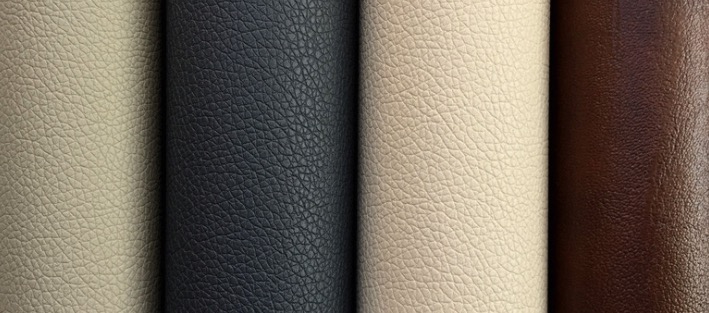
- Texture Variation: Smooth versus slightly pebbled surfaces impact overall aesthetic
- Weight and Thickness: Determine comfort and potential layering options
The table below summarizes important considerations when choosing genuine leather pieces to align with your style and practical needs:
| Consideration | Options/Factors | Impact on Style |
|---|---|---|
| Color | Neutral (black, brown), or bold | Flexibility, matching wardrobe |
| Texture | Smooth, pebbled | Affects look and feel |
| Weight/Thickness | Lightweight, heavyweight | Comfort, layering possibilities |
| Use Context | Casual, professional, edgy, minimal | Suitability for different settings |
Styling Genuine Leather Across Different Contexts
Genuine leather transcends traditional fashion boundaries. Check out our guide on leather jacket styling to unlock advanced styling techniques that elevate your look.
For casual settings, a real leather jacket paired with jeans creates an effortlessly cool ensemble. Professional environments might call for more subtle touches—think leather laptop bags or minimalist accessories that communicate sophistication without overwhelming the outfit.
The beauty of real leather lies in its ability to develop character over time. Unlike synthetic materials, it ages gracefully, developing a unique patina that tells a personal story. Each scuff and subtle color change becomes a testament to your individual journey, making genuine leather more than just a fashion choice—it’s a personal narrative expressed through material.
Remember that investing in real leather is about more than immediate appearance. It’s about selecting pieces that will grow and evolve with your personal style, offering both aesthetic appeal and long-term value. Careful selection means choosing items that not only look good today but will continue to enhance your wardrobe for years to come.
Care Tips for Long-Lasting Genuine Leather
Genuine leather requires thoughtful maintenance to preserve its quality, appearance, and longevity. Understanding proper care techniques can transform a simple leather piece into a lasting investment that maintains its aesthetic appeal and structural integrity.
Cleaning and Basic Maintenance
Ohio State University Extension experts recommend a systematic approach to leather care. Regular cleaning involves using a soft, damp cloth to remove surface dust and dirt without saturating the material. Avoid harsh chemicals or excessive water, which can damage leather’s delicate surface.
For everyday maintenance, invest in a quality leather cleaner specifically designed for genuine leather. Gentle, circular motions help remove accumulated grime without compromising the material’s natural texture. Professional leather cleaning services can provide deep cleaning for more valuable or intricate pieces.
Conditioning and Protection Strategies
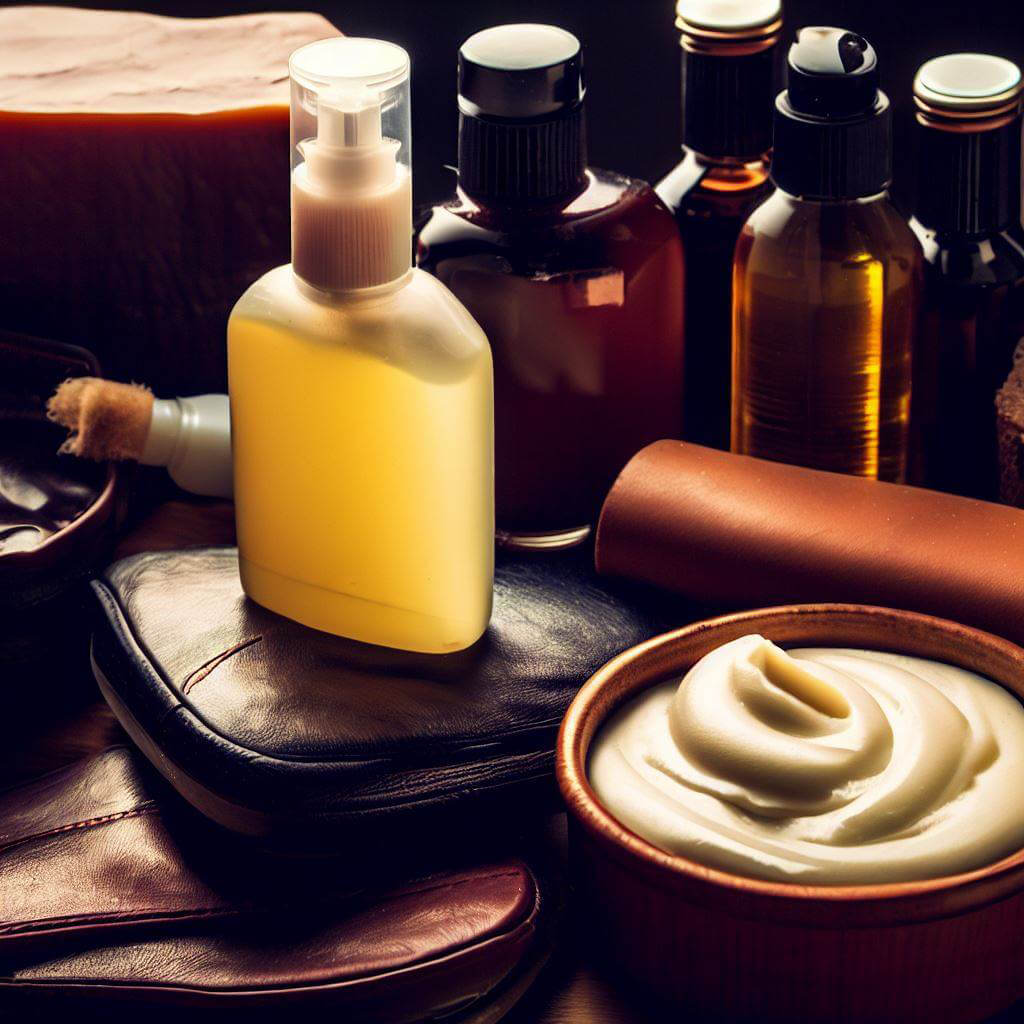
Conservation experts from the National Park Service emphasize the critical role of leather conditioning. Unlike synthetic materials, genuine leather requires periodic moisturizing to prevent cracking and maintain its supple texture. Use pH-neutral leather conditioners sparingly—typically every 6-12 months, depending on usage and environmental conditions.
Key protection strategies include:
- Humidity Control: Store leather items in environments with stable humidity
- Temperature Management: Avoid extreme heat or cold
- Direct Sunlight Prevention: Minimize exposure to prevent fading and drying
Advanced Care and Storage Techniques
Explore our comprehensive guide on leather maintenance to unlock professional-level preservation techniques. Proper storage is as crucial as cleaning. Use padded hangers for leather jackets, stuff bags to maintain shape, and store items in breathable cloth bags away from direct sunlight and moisture.
For leather accessories like wallets and bags, rotate usage to prevent excessive wear on a single item. When not in use, stuff leather items with acid-free tissue paper to help maintain their shape and absorb potential moisture. Avoid storing leather in plastic containers, which can trap humidity and promote mold growth.
Understanding leather’s natural characteristics helps in developing an effective care routine. Genuine leather will develop a unique patina over time—small imperfections and color variations are not flaws but signs of authentic, well-loved material. Embrace these changes as part of leather’s natural aging process, recognizing that proper care can significantly extend the life and beauty of your genuine leather items.
Frequently Asked Questions
What is genuine leather?
Genuine leather is a type of leather made from the lower layers of animal hide. While it retains some natural qualities, it is considered lower quality compared to full-grain or top-grain leather.
How is genuine leather processed?
Genuine leather undergoes extensive processing, which includes removing hair, treating the surface, and applying pigments to create a more uniform appearance. This process makes it more affordable but alters its natural characteristics.
How can I identify genuine leather products?
Look for clear labeling that indicates the leather’s origin and processing method. Authentic genuine leather products will specify that they are made from animal hide and will often show natural texture variations.
What are the care tips for maintaining genuine leather?
To maintain genuine leather, regularly clean it with a soft, damp cloth, use a suitable leather cleaner, and apply conditioner every 6-12 months. Store items properly away from direct sunlight and moisture to prevent damage.
Elevate Your Leather Experience with Custom Genuine Jackets
Have you learned about the importance of genuine leather and now feel uncertain about finding the right style, quality, or authentic craftsmanship? If you crave real durability, individuality, or want to avoid mass-produced synthetic pieces, your next step is to select apparel that truly reflects your style and stands the test of time. Discover the curated Maker of Jacket’s collection where every jacket is built with the integrity and texture genuine leather is famous for. Choose from biker, bomber, or unique themed designs that honor everything you just learned about authentic materials and personalized fit.
Do not settle for compromises when you can make genuine leather an expression of who you are. Browse https://www.makerofjacket.com now to customize your perfect leather jacket with confidence. Shop today and take advantage of exclusive selections, global shipping, and a sizing guide that ensures your investment in genuine style is truly your own.