

Why Real Leather Matters for Riders and Style

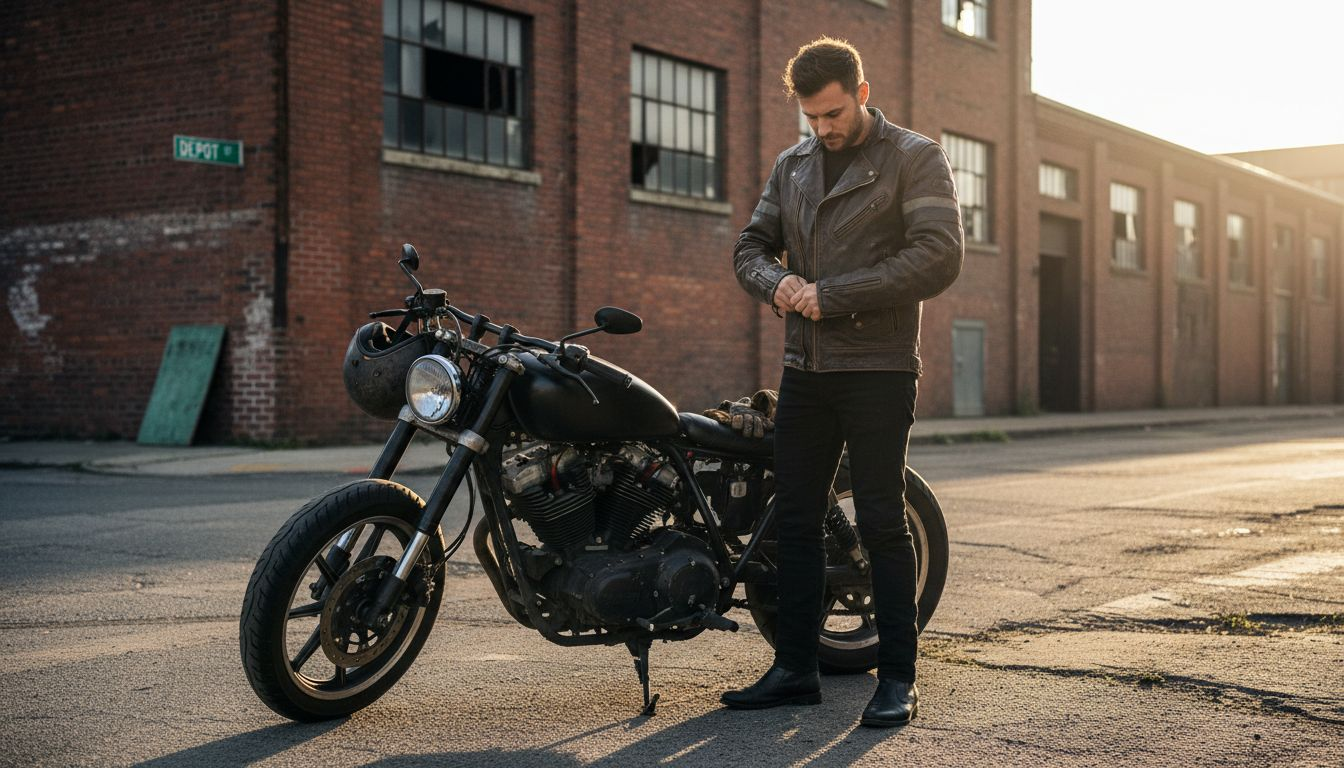
Choosing the right leather jacket can be challenging when so many options and marketing terms muddy the waters. For riders across the United States seeking gear that delivers toughness, comfort, and true style, understanding real leather is crucial. From the way each hide is treated to the difference between genuine and full grain, separating fact from myth helps you avoid disappointment and invest in a jacket with lasting value and unique character.
Table of Contents
- Defining Real Leather And Common Myths
- Types Of Real Leather In Jackets
- Key Benefits: Durability, Comfort, Protection
- Real Leather Vs Synthetic Alternatives
- Long-Term Value And Cost Considerations
- Mistakes To Avoid When Choosing Leather
Key Takeaways
| Point | Details |
|---|---|
| Understanding Leather Quality | Not all leather is created equal; prioritize high grades like Full Grain and Top Grain for durability and performance. |
| Importance of Tanning Process | Inquire about the tanning process and certifications to avoid low-quality, improperly treated leather. |
| Cost vs. Value Analysis | Invest in high-quality leather jackets for long-term cost benefits, as they outperform cheaper alternatives in durability. |
| Avoiding Common Mistakes | Educate yourself on leather grades and processes to make informed purchasing decisions and ensure safety and style. |
Defining Real Leather and Common Myths
Understanding real leather requires cutting through marketing noise and misconceptions that often mislead consumers. Leather quality varies dramatically depending on processing methods, animal source, and manufacturing techniques. Not all leather is created equal – and knowing the difference can save you from disappointing purchases.
Contrary to popular belief, the term “genuine leather” does not guarantee high quality. In fact, it often indicates the lowest grade of leather available. Genuine leather typically means:
- Made from lower layers of animal hide
- Often includes leather scraps bonded together
- Less durable than premium leather grades
- Prone to faster wear and degradation
The leather industry is complex and deeply interconnected with animal agriculture. Chemical tanning processes transform raw animal hides into the material we recognize, using strong chemicals to prevent decay and prepare the material for use.
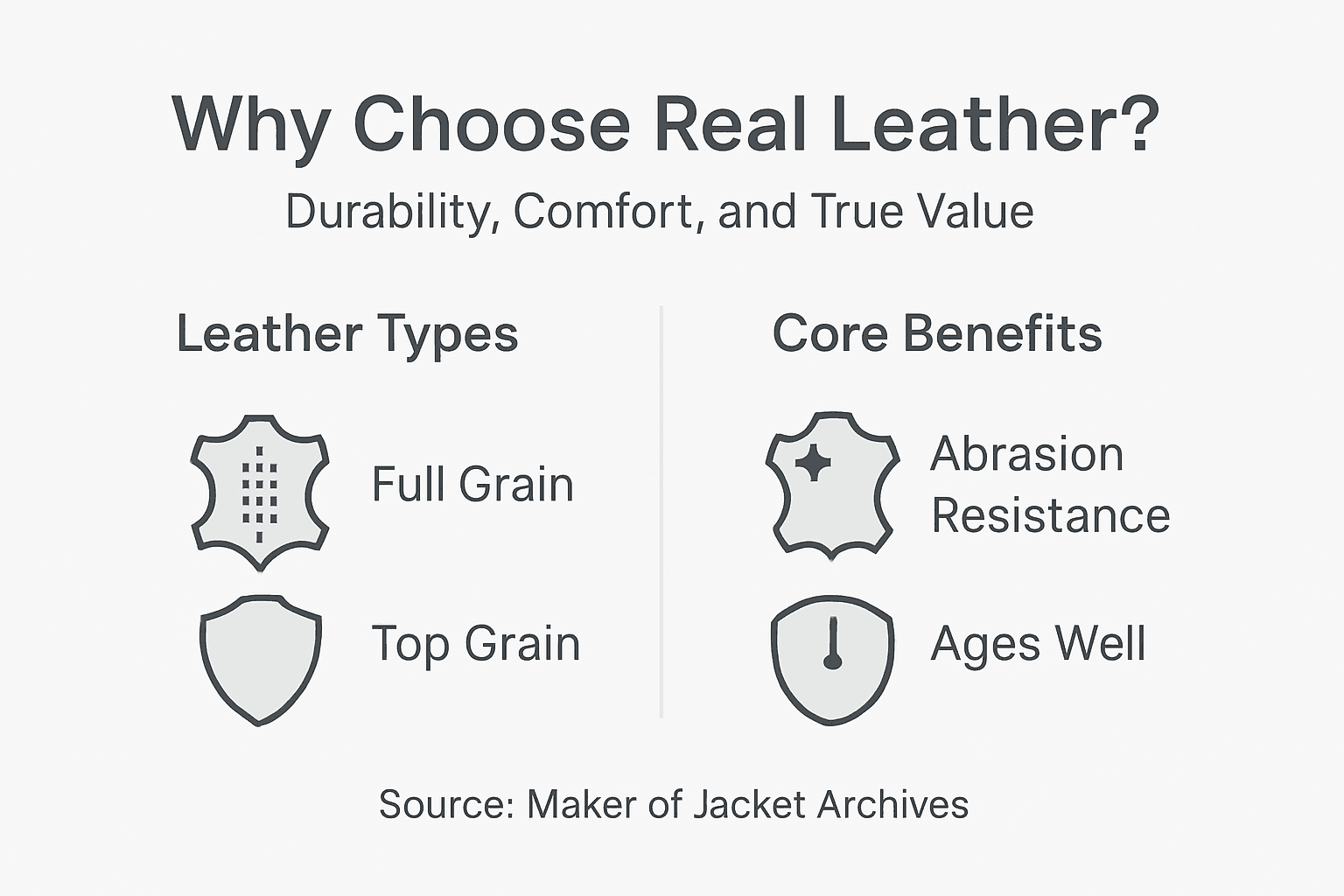
To truly understand leather quality, riders and fashion enthusiasts must look beyond marketing labels and examine the specific grade and processing of the material. Top grain and full grain leather represent the highest quality options, offering superior durability, natural appearance, and long-term performance.
Pro tip: When shopping for leather, always ask about the specific leather grade and tanning process to ensure you’re getting a high-quality product.
Types of Real Leather in Jackets
Motorcycle riders and style enthusiasts have multiple leather jacket options when selecting their perfect garment. Different animal hides offer unique characteristics, durability, and aesthetic appeal, making the selection process both nuanced and exciting.
According to leather experts, there are several primary leather grades used in jacket manufacturing:
- Full Grain Leather:
- Highest quality leather
- Retains entire original hide layer
- Most durable and develops rich patina over time
- Breathable and naturally resistant to wear
- Top Grain Leather:
- Slightly processed for uniform appearance
- Surface layer is sanded and refined
- Softer and more flexible than full grain
- Excellent for fashion-forward jackets
- Split Leather:
- Derived from lower hide layers
- Less expensive option
- Lower durability compared to premium grades
- Often used in budget-friendly jackets
Leather types vary dramatically depending on the animal source. Riders can choose from cowhide, goatskin, horsehide, and sheepskin – each offering distinct performance characteristics. Cowhide remains the most popular for motorcycle jackets due to its exceptional durability and protective qualities.
The manufacturing process transforms these raw materials into sophisticated garments, with tanning and treatment techniques playing a crucial role in the final product’s quality and appearance. Understanding these nuances helps riders make informed decisions about their leather jacket investments.
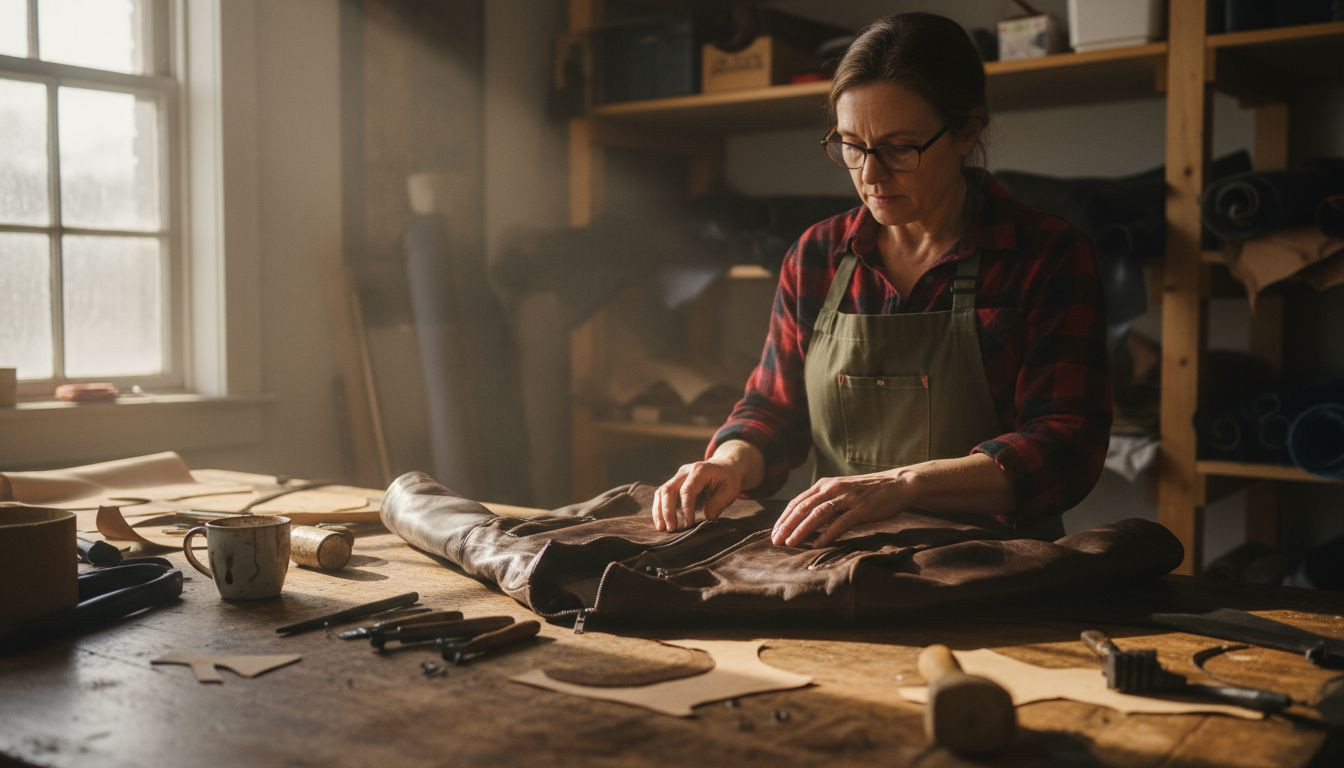
To help buyers choose the right leather jacket, here is a summary of major leather grades and their ideal uses:
| Leather Grade | Common Use Cases | Best For |
|---|---|---|
| Full Grain | Premium motorcycle jackets | Durability, aging well |
| Top Grain | Fashion and riding jackets | Smooth look, flexibility |
| Split | Budget jackets, accessories | Affordability |
Pro tip: When selecting a leather jacket, always examine the leather grade and ask about the specific animal hide to ensure you’re getting the performance and style you desire.
Key Benefits: Durability, Comfort, Protection
Real leather stands apart from synthetic materials through its exceptional performance characteristics. Motorcycle riders demand gear that can withstand extreme conditions while providing comfort and protection – qualities that genuine leather delivers with unmatched reliability.
The key benefits of leather for riders include:
- Durability:
- Naturally resistant to wear and tear
- Can last decades with proper maintenance
- Stronger than most synthetic materials
- Develops unique character over time
- Comfort:
- Breathable natural fiber structure
- Adapts to body temperature
- Becomes more flexible with use
- Reduces moisture buildup
- Protection:
- High abrasion resistance
- Natural barrier against wind and weather
- Provides critical impact protection
- Helps shield riders from road debris
Leather’s unique properties make it an ideal material for motorcycle gear. Its ability to stabilize and strengthen through the tanning process creates a material that not only protects but also ages beautifully. The collagen fibers in leather provide exceptional tensile strength, making it far more reliable than synthetic alternatives.
Understanding leather’s inherent qualities helps riders make informed decisions about their protective gear. Each wear increases the jacket’s character, with high-quality leather developing a rich patina that tells the story of your adventures.
Pro tip: Invest in a high-quality leather jacket and maintain it regularly to maximize its protective capabilities and longevity.
Real Leather vs Synthetic Alternatives
Genuine leather stands in stark contrast to synthetic materials, offering riders a superior option for motorcycle gear. Material differences go beyond appearance, impacting performance, durability, and overall riding experience.
Key differences between real and synthetic leather include:
- Origin and Composition:
- Real Leather:
- Natural animal hide material
- Renewable and biodegradable
- Unique grain and texture
- Breathable fiber structure
- Synthetic Leather:
- Plastic-based compounds (PVC/Polyurethane)
- Petroleum-derived materials
- Uniform, manufactured appearance
- Less breathable surface
- Real Leather:
- Performance Characteristics:
- Real Leather:
- Naturally abrasion-resistant
- Adapts to body temperature
- Develops character with age
- Long-lasting durability
- Synthetic Leather:
- Lower durability
- Potential toxic particle emission
- Consistent appearance
- Less protective under extreme conditions
- Real Leather:
Alternative materials present interesting options for environmentally conscious riders. Bio-leathers made from plant sources or microbial materials offer promising alternatives, though they currently cannot match real leather’s comprehensive performance profile.
For motorcycle riders prioritizing safety, comfort, and long-term investment, genuine leather remains the gold standard. Synthetic alternatives might seem attractive due to lower initial costs, but they cannot replicate the natural protective qualities and longevity of authentic leather.
Compare how real and synthetic leather measure up in key rider priorities:
| Aspect | Real Leather | Synthetic Leather |
|---|---|---|
| Breathability | Highly breathable material | Less air circulation |
| Environmental Impact | Biodegradable, renewable | Petroleum-derived, nonrenewable |
| Custom Fit Over Time | Molds to body shape | Stays unchanged |
| Upkeep Required | Needs conditioning, care | Easier to clean, less upkeep |
Pro tip: When comparing leather options, always request a sample and test the material’s flexibility, breathability, and weight before making a final purchase.
Long-Term Value and Cost Considerations
Investing in a high-quality leather jacket is more than a fashion statement – it’s a strategic financial decision. Leather’s enduring value transcends traditional cost considerations, offering riders a smart long-term investment that pays dividends in durability and performance.
The economic advantages of leather jackets become clear when examining their lifecycle:
- Initial Investment:
- Higher upfront cost compared to synthetic alternatives
- Premium materials and craftsmanship
- Reflects superior quality and construction
- Price reflects long-term value
- Long-Term Cost Benefits:
- Significantly reduced replacement frequency
- Improves with age and use
- Develops unique personal character
- Potential for professional repair and restoration
- Comparative Cost Analysis:
- Synthetic jacket: Lower initial cost
- Requires replacement every 2-3 years
- Degrades faster
- Limited repair options
- Leather jacket: Higher initial investment
- Can last decades with proper care
- Increases in aesthetic value
- Multiple repair and maintenance options
- Synthetic jacket: Lower initial cost
Full-grain leather represents the pinnacle of long-term value, offering unparalleled durability and performance. Its natural ability to resist moisture and develop a distinguished patina means your jacket becomes more valuable and personalized with each ride.
The true cost of a leather jacket extends far beyond its price tag. It’s an investment in quality, protection, and personal style that accumulates value over time, making it a wise choice for discerning riders who understand the importance of superior gear.
Pro tip: Budget for quality by calculating the per-year cost of a leather jacket, which often proves more economical than repeatedly replacing cheaper alternatives.
Mistakes to Avoid When Choosing Leather
Navigating the world of leather requires careful consideration and informed decision-making. Common misconceptions can lead buyers astray when selecting the perfect motorcycle jacket, potentially compromising both safety and style.
Critical mistakes riders frequently make include:
- Misunderstanding Leather Grades:
- Assuming “genuine leather” means high quality
- Not distinguishing between full grain, top grain, and split leather
- Overlooking the importance of leather processing
- Failing to verify material authenticity
- Ignoring Tanning and Finishing Processes:
- Selecting leather without understanding its production
- Neglecting to check tanning certifications
- Overlooking potential chemical treatments
- Disregarding environmental and health implications
- Price-Based Decision Making:
- Choosing solely based on lowest cost
- Sacrificing quality for short-term savings
- Ignoring long-term durability and performance
- Underestimating replacement frequency of cheap leather
Leather manufacturing involves complex processes that dramatically impact material performance. Cheap, poorly tanned leather might look appealing initially but will deteriorate quickly, offering minimal protection and comfort for riders.
Understanding these potential pitfalls helps motorcycle enthusiasts make smarter purchasing decisions. Quality leather is an investment in safety, style, and long-term performance – not just a fashion statement.
Pro tip: Always request detailed information about leather grade, tanning process, and material origin before making a purchase.
Elevate Your Ride with Genuine Leather Gear Designed for Riders Like You
Choosing the right leather jacket means understanding the difference between ordinary and premium materials. This article highlights the importance of real leather grades like full grain and top grain for unmatched durability, protection, and comfort—qualities every rider needs. At Maker of Jacket, we solve the problem of subpar leather by offering customizable, high-quality leather apparel tailored to your style and safety requirements.
 Maker of Jacket’s collection Archives – Maker of Jacket to find biker and motorcycle jackets crafted from premium materials that develop character as you ride. Discover why investing in genuine leather pays off over time with superior performance. Don’t settle for less when you can customize your ideal jacket for both style and protection at Maker of Jacket. Act now to secure your personalized leather piece and ride with confidence and unmatched style!
Frequently Asked Questions
What is the difference between full grain and top grain leather?
Full grain leather is the highest quality, retaining the entire original hide layer, making it the most durable and developing a rich patina over time. Top grain leather, while slightly processed for a uniform appearance, is softer and more flexible, perfect for fashion-forward jackets.
Why should I choose real leather over synthetic alternatives for a motorcycle jacket?
Real leather offers superior durability, breathability, and abrasion resistance compared to synthetic materials. It adapts to body temperature and develops character over time, enhancing both comfort and protective qualities for riders.
How can I ensure I’m getting high-quality leather when buying a jacket?
Always inquire about the specific leather grade and tanning process when shopping. Look for terms like full grain or top grain, and avoid “genuine leather,” which often indicates lower quality. Understanding the manufacturing process can also guide you in selecting a durable and high-quality product.
What are the long-term value benefits of investing in a leather jacket?
Investing in a high-quality leather jacket may have a higher initial cost but offers long-term benefits such as durability, reduced replacement frequency, and the ability to develop personal character and value over years, making it a smarter financial choice for riders.


