

Why Wear a Motorcycle Suit – Safety and Style Unpacked

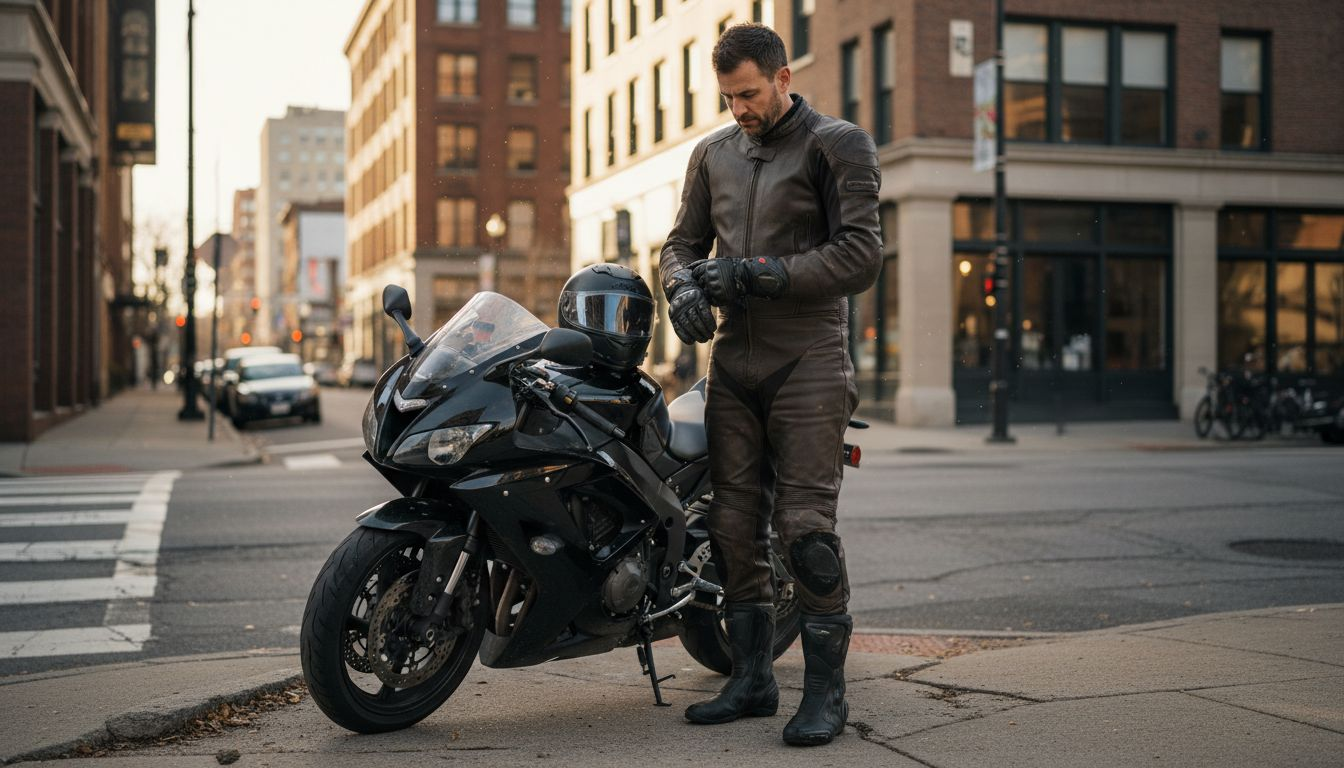
Over 8 out of 10 American motorcycle riders agree that personal style should never come at the expense of safety. Whether you cruise city streets or tackle winding country roads, choosing the right motorcycle suit can mean the difference between walking away from a fall and facing months of recovery. Discover how modern suits blend top-tier protection and customizable design, proving you no longer have to compromise your look for serious, reliable safety.
Table of Contents
- Motorcycle Suits Explained: Purpose and Myths
- Key Materials and Protective Features Compared
- Popular Types and Customization Options
- Legal Requirements for Motorcycle Apparel in the Us
- Risks of Riding Without Proper Gear
- Comparing Motorcycle Suits Versus Other Options
Key Takeaways
| Point | Details |
|---|---|
| Importance of Protective Gear | Motorcycle suits are essential for rider safety, providing critical protection against injuries during accidents. |
| Advancements in Materials | Modern motorcycle suits utilize advanced materials like Kevlar and D3O for enhanced comfort and protective capability. |
| Legal Compliance and Recommendations | While some protective gear is legally required, comprehensive gear is highly recommended for enhanced safety. |
| Investment in Safety | Proper motorcycle gear should be viewed as a necessary investment in personal safety, potentially minimizing long-term medical costs. |
Motorcycle Suits Explained: Purpose and Myths
Motorcycle riders face serious risks on the road, and understanding protective gear isn’t just about style – it’s about survival. Modern motorcycle armor has transformed from bulky, uncomfortable protective layers into sleek, intelligent safety systems designed to shield riders from potential injuries during unexpected incidents.
The fundamental purpose of a motorcycle suit goes far beyond aesthetic appeal. These specialized garments are engineered with strategic padding and reinforced materials to absorb and distribute impact energy across critical body zones. Typical suits include integrated protection for shoulders, elbows, hips, and knees – areas most vulnerable during potential falls or collisions. Personal protective equipment now incorporates advanced materials like Kevlar and Cordura, which provide exceptional strength without compromising mobility or comfort.
Contrary to popular myths, modern motorcycle suits are not the restrictive, uncomfortable garments of decades past. Technological innovations have dramatically reduced weight and improved flexibility, allowing riders to maintain full range of motion while staying protected. Advances in textile engineering mean today’s suits can be lightweight, breathable, and stylish – effectively dismantling the outdated notion that safety gear must be cumbersome or unattractive.
Pro tip: When selecting a motorcycle suit, prioritize CE-rated armor and ensure it fits snugly but allows complete range of motion for optimal protection and comfort.
Key Materials and Protective Features Compared
Motorcycle protective clothing represents a complex intersection of advanced materials science and safety engineering. Motorcycle armor utilizes an impressive array of innovative materials designed to provide maximum protection while maintaining rider comfort and mobility. From viscoelastic shock-absorbing compounds to high-performance textiles, each material serves a specialized purpose in safeguarding riders against potential injuries.
The core protective materials can be categorized into several key types. Hard plastics and advanced polymers offer critical impact resistance, while specialized fabrics like Kevlar provide exceptional abrasion protection. Some cutting-edge materials like D3O and SAS-TEC represent a breakthrough in adaptive protection – they remain soft and flexible during normal movement but instantly stiffen upon sudden impact. These viscoelastic materials can absorb and distribute impact energy far more effectively than traditional rigid armor.
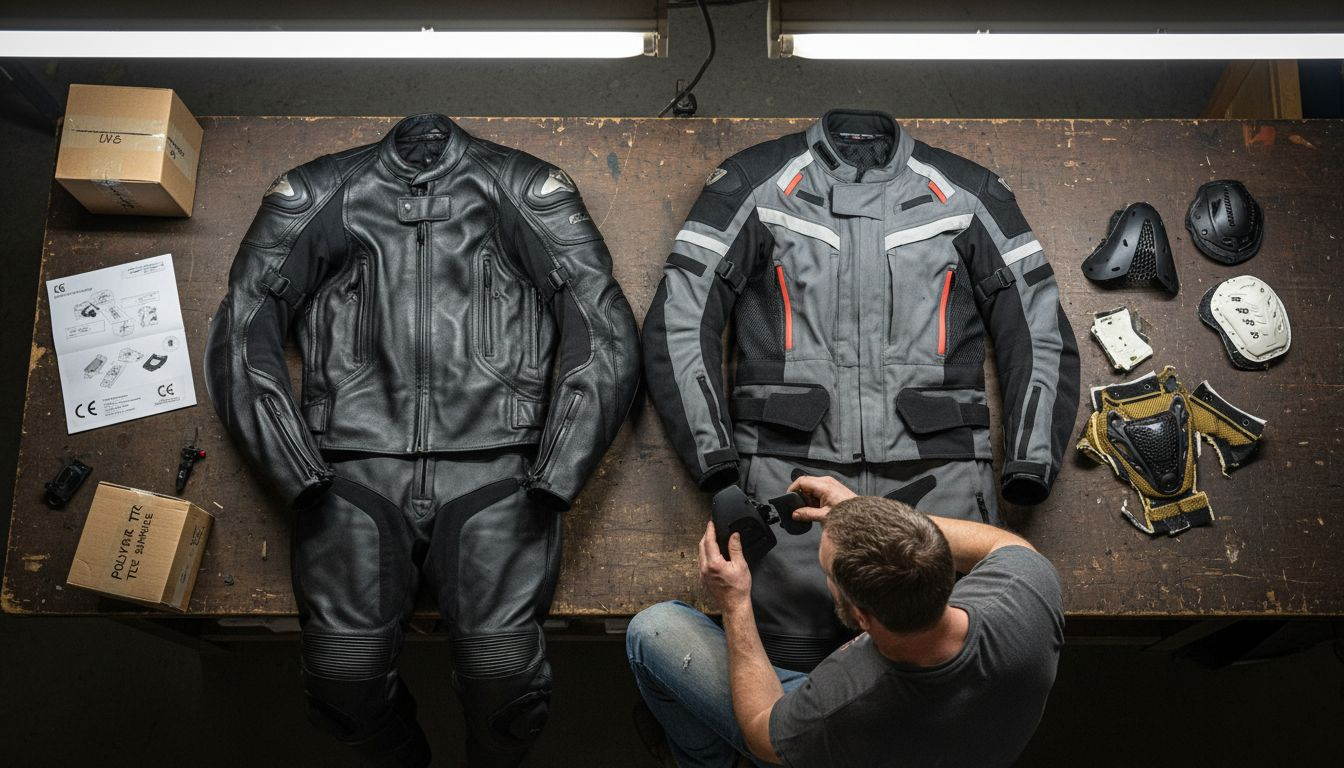
Research indicates that comprehensive protection requires a strategic layering of materials. Protective clothing studies demonstrate that leather remains superior for abrasion resistance, while modern textiles excel in breathability and weather protection. Typical motorcycle suits integrate multiple material types: leather or high-tensile textiles for outer layers, CE-certified foam or hard plastic inserts for critical impact zones like shoulders, elbows, and knees, and moisture-wicking inner layers for comfort.
Here’s a concise comparison of key materials used in motorcycle protective suits and their unique benefits:
| Material Type | Main Benefit | Common Use | Drawback |
|---|---|---|---|
| Leather | Superior abrasion resistance | Racing suits, outer layers | Heavy, less breathable |
| Kevlar | Excellent strength, lightweight | Reinforced zones, textile suits | Can be costly |
| Hard Plastics | High impact protection | Armor in shoulders, elbows, knees | Stiff, less comfortable |
| D3O/SAS-TEC | Flexible, stiffens on impact | Adaptive armor inserts | Sensitive to extreme heat |
| Cordura Textile | Breathable, weather resistant | Touring suits, jackets | Less durable than leather |
Pro tip: Always check for CE certification when selecting motorcycle armor, as this indicates the protective gear has passed rigorous independent safety testing standards.
Popular Types and Customization Options
Motorcycle riders today have an unprecedented range of protective clothing types that blend safety, functionality, and personal style. The traditional motorcycle suit has evolved from a one-size-fits-all approach to a highly personalized piece of protective gear that can be tailored to individual riding preferences, body types, and aesthetic sensibilities.
The primary categories of motorcycle suits include full leather suits, textile jackets and pants, hybrid combinations, and specialized racing gear. Each type offers unique advantages: leather suits provide superior abrasion resistance and are favored by racing enthusiasts, while textile options excel in breathability and weather adaptability. Modern customization options extend far beyond color selection, allowing riders to modify armor placement, incorporate ventilation systems, and even add personalized graphic designs or region-specific styling elements.
Motorcycle Safety Foundation resources highlight the importance of selecting gear that matches specific riding conditions and personal needs. Customization now encompasses advanced features like temperature-adaptive materials, integrated communication systems, and modular armor components that can be adjusted or replaced. Riders can now select suits with specialized padding for urban commuting, long-distance touring, off-road adventures, or high-speed racing, ensuring that protection meets the precise demands of their riding style.
Compare the main motorcycle suit types and their customization features:
| Suit Type | Ideal Use Case | Customization Options | Notable Limitation |
|---|---|---|---|
| Full Leather Suit | Track/racing | Graphics, fitted armor, color | Poor ventilation |
| Textile Jacket & Pant | Touring/commuting | Vent panels, modular armor | Less abrasion resistance |
| Hybrid Combination | Mixed environments | Select armor zones, materials | May lack weatherproofing |
Pro tip: When customizing your motorcycle suit, prioritize safety certifications and proper fit over aesthetic choices, as a well-fitted suit with proper armor placement provides significantly better protection than a stylish but poorly constructed garment.
Legal Requirements for Motorcycle Apparel in the US
Motorcycle safety regulations in the United States present a complex landscape of legal requirements that vary significantly across different states. Helmet laws demonstrate the most consistent legal framework, with some states implementing universal requirements while others maintain partial or age-specific regulations. As of 2025, riders must navigate a nuanced legal environment where protective gear requirements are more strongly recommended than legally mandated.
While helmets receive the most legislative attention, other protective apparel such as jackets, gloves, and specialized riding pants occupy a grey area in legal documentation. Most states do not legally require full protective suits, instead focusing on helmet compliance as the primary safety measure. However, insurance companies and legal experts often strongly recommend comprehensive protective gear, recognizing that additional apparel can significantly reduce injury severity in potential accidents.
Motorcycle helmet regulations reveal an interesting national trend: 18 states and the District of Columbia currently enforce universal helmet laws, mandating that all riders wear helmets meeting specific federal safety standards. These laws represent a critical intersection between legal requirement and personal safety, underscoring the government’s commitment to reducing motorcycle-related injuries and fatalities. Despite the lack of comprehensive clothing mandates, riders are increasingly recognizing the importance of full protective gear beyond mere legal compliance.
Pro tip: Always check your specific state’s motorcycle safety laws, as regulations can change annually and vary dramatically between jurisdictions.
Risks of Riding Without Proper Gear
Motorcycle riding inherently involves significant risks, and choosing to ride without proper protective gear transforms those risks into potentially life-altering consequences. The human body is remarkably vulnerable during motorcycle accidents, with exposed skin, unprotected joints, and minimal natural defense against high-speed impacts creating a perfect storm for catastrophic injuries. Without specialized motorcycle suits, riders become extremely susceptible to road rash, deep abrasions, bone fractures, and severe soft tissue damage.
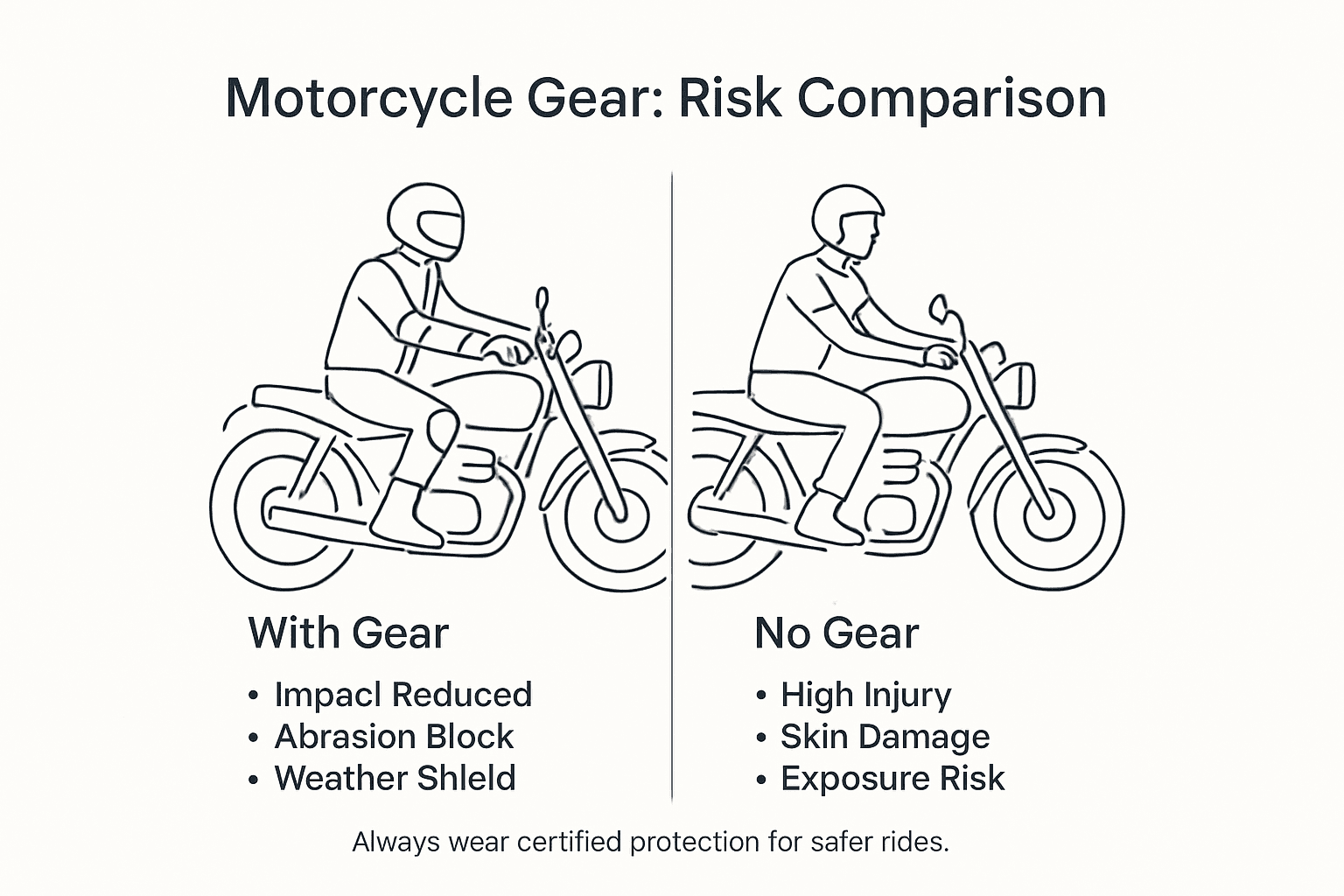
Head injuries represent the most critical risk for unprotected riders. Modern research demonstrates that even a low-speed fall can result in traumatic brain injuries, skull fractures, and permanent neurological damage. While helmets provide crucial protection, comprehensive motorcycle suits offer additional critical safeguards for vital body regions like shoulders, elbows, spine, and knees. These strategically padded areas absorb and distribute impact forces, dramatically reducing the likelihood of permanent disability or fatal injuries.
Motorcycle crash statistics reveal a stark reality: unprotected riders face exponentially higher risks of severe injury and death compared to those wearing comprehensive protective gear. The physical consequences extend beyond immediate trauma, potentially including long-term medical complications, chronic pain, reduced mobility, and substantial financial burdens from medical treatments. Professional medical researchers emphasize that protective motorcycle gear is not a luxury but a critical investment in personal safety and long-term physical well-being.
Pro tip: Consider your motorcycle suit an essential insurance policy – the upfront investment is minimal compared to the potential lifetime medical costs of a severe injury.
Comparing Motorcycle Suits Versus Other Options
Motorcycle riders face complex choices when selecting protective gear, with each option presenting unique advantages and limitations. Personal Protective Equipment (PPE) selection requires careful consideration of riding style, environment, and personal safety priorities. Full motorcycle suits represent the most comprehensive protection strategy, offering integrated armor and complete body coverage that separate gear pieces cannot match.
Traditional protective options include individual components like leather jackets, textile pants, separate gloves, and specialized boots. While these items provide some protection, they inherently create potential gaps in coverage and reduced impact absorption compared to a seamlessly designed full suit. A one-piece motorcycle suit eliminates vulnerable transition zones between clothing items, ensuring consistent protection across critical body regions like shoulders, spine, hips, and knees.
The choice between a full suit and separate gear ultimately depends on specific riding contexts. High-speed racing and performance riding strongly favor full suits due to their superior aerodynamics and continuous protective surface. Urban commuters and casual riders might prefer the flexibility of mix-and-match gear, allowing easier temperature regulation and wardrobe versatility. However, safety experts consistently recommend prioritizing comprehensive protection over convenience, suggesting that even casual riders consider full suits or at minimum, carefully selected gear with CE-certified armor inserts.
Pro tip: Invest in the most comprehensive protective gear your budget allows, focusing on continuous coverage and certified impact protection rather than individual style preferences.
Elevate Your Safety and Style with Custom Motorcycle Gear
Riding without proper protection is a risk you cannot afford to take. The article highlights how modern motorcycle suits blend advanced materials like Kevlar and D3O with tailored design to offer both maximum safety and freedom of movement. At Maker of Jacket, we understand that protection is personal. Our extensive selection includes customizable leather apparel and motorcycle suits crafted to fit your exact preferences while ensuring CE-certified armor and comfort.

Explore our motorycle jacket collections from here www.makerofjacket.com/product-category/motorcycle/motorcycle-jackets/ to find the perfect customizable jackets and suits that meet your safety needs without sacrificing style. Combine that with our motorcycle pant collection https://www.makerofjacket.com/product-category/motorcycle/motorcycle-pants/for a complete look designed specifically for motorcycle enthusiasts. Visit Maker of Jacket today and invest in gear that protects your passion on every ride. Make the smart choice now for safety that feels as good as it looks.
Frequently Asked Questions
Why is wearing a motorcycle suit important for safety?
Wearing a motorcycle suit is crucial for safety as it provides protection against impacts, abrasions, and weather elements. These suits are designed with special materials and padding to absorb shock and reduce injury severity during accidents, safeguarding critical body areas like shoulders, elbows, and knees.
What materials should I look for in a motorcycle suit?
When choosing a motorcycle suit, prioritize materials like leather, Kevlar, and advanced polymers for their protective features. Look for suits that incorporate viscoelastic materials like D3O, which remain flexible during normal use but stiffen upon impact, providing enhanced safety without sacrificing comfort.
How does a motorcycle suit compare to separate protective gear?
A motorcycle suit offers more comprehensive protection than separate gear components because it provides continuous coverage without gaps between items. This seamless design enhances safety by ensuring consistent protection across critical areas like the torso, arms, and legs, which separate gear may not fully cover.
Can modern motorcycle suits be comfortable and stylish?
Yes, modern motorcycle suits are designed to be both comfortable and stylish. Advances in textile engineering have led to lighter and more breathable materials that allow for full mobility, proving that protective gear doesn’t have to be bulky or unattractive.


