

Motorcycle jacket safety tips for better protection


Choosing the right motorcycle jacket can feel overwhelming when you’re trying to balance crash protection with personal style and comfort on every ride. Many riders struggle to find jackets that deliver genuine safety features without looking bulky or sacrificing breathability during long trips. This guide provides practical safety tips for selecting and maintaining motorcycle jackets that protect you effectively while matching your riding style. You’ll learn how to evaluate critical safety criteria, compare materials and protective features, maintain your gear for longevity, and match jacket styles to your specific riding scenarios. Whether you’re a new rider building your first safety wardrobe or an experienced enthusiast upgrading your gear, these insights will help you make informed decisions that keep you safer on the road.
Table of Contents
- Key takeaways
- Understanding key safety criteria for motorcycle jackets
- Material types and protective features explained
- Safety maintenance and smart usage tips for longevity
- Comparing jacket styles for your riding scenarios
- Discover custom motorcycle jackets for safety and style
- Frequently asked questions
Key Takeaways
| Point | Details |
|---|---|
| Abrasion and armor | Choose jackets with strong abrasion resistance and armor positioned at shoulders elbows and back to protect key joints. |
| Fit and comfort | A jacket should fit in riding position to prevent shifting and ensure unrestricted reach to controls for safer handling. |
| Maintenance matters | Regular care preserves protective materials and armor integrity, extending jacket life and ongoing safety performance. |
| Leather vs textiles | Leather offers superior abrasion resistance and warmth while textiles provide lighter weight and better breathability plus weather protection. |
Understanding key safety criteria for motorcycle jackets
When evaluating motorcycle jackets, you need to focus on specific safety criteria that directly impact your protection during crashes and everyday rides. Abrasion resistance is crucial for injury prevention because your jacket acts as a second skin when you slide across pavement at high speeds. Quality materials can mean the difference between road rash and walking away relatively unscathed.
Impact armor placement determines how well your jacket protects vulnerable joints and bones during collisions. Look for jackets with CE-rated protectors positioned at shoulders, elbows, and back, as these areas absorb the most force when you hit the ground. The armor should sit comfortably against your body without creating pressure points that distract you while riding.
Weather protection directly affects your safety by maintaining focus and comfort in varying conditions. A jacket that keeps you dry during unexpected rain or provides adequate ventilation on hot days helps you stay alert and responsive. Proper fit prevents the jacket from shifting or bunching up, which could expose unprotected areas or restrict your movement during emergency maneuvers.
Ventilation and mobility work together to enhance rider control by allowing natural body movement and preventing overheating. Strategically placed vents let air flow through the jacket without compromising protection, while articulated sleeves and stretch panels enable full range of motion for reaching controls. Your jacket should feel like a natural extension of your body rather than a restrictive shell.
Pro Tip: Always try on jackets in your riding position, not just standing upright, to ensure the armor stays properly positioned and the fit allows comfortable reach to handlebars and controls.
Material types and protective features explained
Leather jackets remain the gold standard for abrasion resistance, offering exceptional protection during slides while delivering that classic motorcycle aesthetic riders love. Leather provides strong abrasion resistance but typically offers less breathability than modern textile alternatives, making it ideal for cooler climates or riders who prioritize maximum protection. Full-grain leather in thicknesses of 1.2mm or greater provides the best defense against road rash, though it requires more break-in time and careful maintenance.
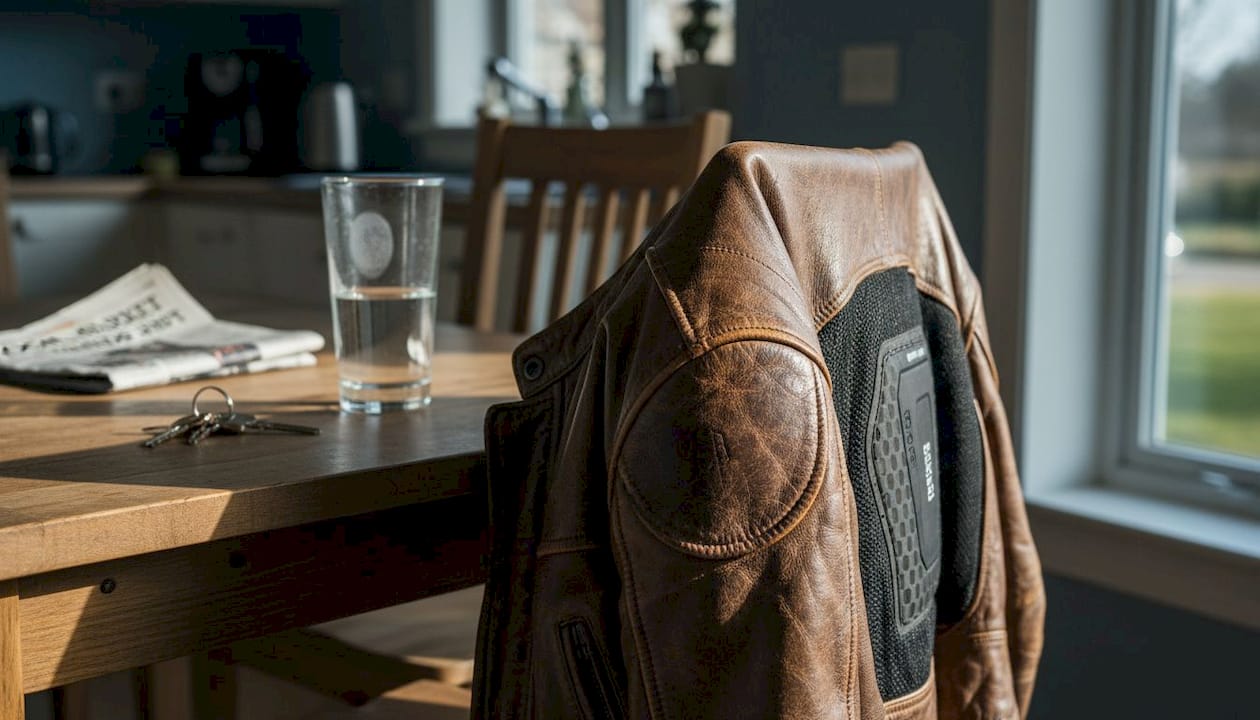
Textile jackets use advanced synthetic materials like Cordura, Kevlar, or ballistic nylon to deliver varied levels of protection with significant advantages in versatility. These materials often incorporate waterproof membranes and breathable layers that keep you comfortable across changing weather conditions. Textile jackets typically weigh less than leather equivalents and dry faster when wet, making them practical choices for daily commuters and touring riders.
| Material Type | Abrasion Resistance | Weather Protection | Breathability | Weight | Maintenance |
|---|---|---|---|---|---|
| Full-grain leather | Excellent | Moderate | Low | Heavy | High |
| Textile (Cordura/Kevlar) | Good to Very Good | Excellent | High | Light | Low |
| Mesh with reinforcements | Moderate | Poor | Excellent | Very Light | Low |
| Hybrid (leather/textile) | Very Good | Good | Moderate | Medium | Moderate |
Armor types make a critical difference in impact protection, with CE-rated protectors representing the minimum standard you should accept. Level 1 CE armor offers basic protection suitable for casual riding, while Level 2 provides enhanced impact absorption for more aggressive riding styles. Hard armor uses rigid shells to distribute impact force, whereas soft armor relies on energy-absorbing foam that molds to your body for better comfort.
Additional safety elements enhance protection beyond basic materials and armor. Reflective panels increase your visibility to other drivers during dawn, dusk, and nighttime riding. Reinforced stitching in high-stress areas prevents seam failure during crashes. Double or triple-layered zones at shoulders and elbows add extra abrasion resistance where you need it most.
Safety maintenance and smart usage tips for longevity
Maintaining your motorcycle jacket properly extends its protective lifespan and ensures safety features remain effective when you need them most. Proper leather care preserves durability and protective properties by preventing the material from drying out, cracking, or losing flexibility over time. Clean leather jackets every few months using specialized leather cleaner, then apply conditioner to restore natural oils that keep the material supple and strong.
Inspecting armor inserts regularly helps you catch degradation before it compromises your protection. Remove all protectors from their pockets at least twice per year to check for cracks, compression damage, or worn foam that no longer rebounds properly. Replace any armor that shows visible damage or has been involved in a crash, even if it looks intact, because internal structure may be compromised.
Essential Maintenance Practices
Follow these essential maintenance steps to maximize jacket longevity:
- Store jackets on wide hangers in cool, dry locations away from direct sunlight that can fade colors and weaken materials
- Clean textile jackets according to manufacturer instructions, typically using mild detergent and air drying to preserve waterproof membranes
- Check all zippers, snaps, and velcro closures monthly, replacing worn fasteners immediately to maintain secure fit
- Treat leather with water-resistant spray before rainy seasons to add protection without compromising breathability
- Rotate between multiple jackets if possible to reduce wear and allow materials to rest between rides
Smart Usage Habits
Smart usage habits complement proper maintenance by ensuring your jacket performs as designed during every ride. Always wear your jacket fully zipped with all closures secured, as open jackets can catch wind and shift dangerously during accidents. Layer appropriately underneath using moisture-wicking base layers that maintain comfort without adding bulk that affects armor positioning.
Pro Tip: Mark your calendar to inspect armor and fasteners at the start of each riding season, treating it like a safety check rather than waiting for visible problems to appear.
Comparing jacket styles for your riding scenarios
Cruiser Jackets
Cruiser jackets prioritize classic styling and substantial protection through heavier leather construction that suits relaxed riding positions and moderate speeds. These jackets typically feature minimal armor pockets and focus on abrasion resistance rather than impact protection, making them ideal for casual weekend rides and urban cruising. The relaxed fit accommodates layering for temperature changes while maintaining that timeless motorcycle aesthetic riders associate with cruiser culture.
Sportbike jackets
Sportbike jackets emphasize aerodynamic fit and aggressive styling that reduces wind resistance at higher speeds while providing maximum mobility for tucked riding positions. Different riding types demand jackets optimized for weather, protection level, and mobility based on your specific needs and environment. These jackets incorporate extensive armor coverage, pre-curved sleeves, and stretch panels that move with you during aggressive cornering and quick transitions.
Adventure and touring jackets
Adventure and touring jackets offer the most versatility through modular designs that adapt to changing conditions during long-distance rides. Removable liners, adjustable ventilation, and waterproof outer shells let you configure the jacket for everything from desert heat to mountain rain. Multiple pockets provide storage for essentials, while high collars and extended backs offer protection from wind and weather during all-day rides.
Side-by-Side Comparison
| Jacket Style | Best For | Key Features | Climate Suitability | Protection Level |
|---|---|---|---|---|
| Cruiser | Casual riding, urban use | Heavy leather, classic styling, minimal armor | Moderate temps | Good abrasion, basic impact |
| Sportbike | Aggressive riding, track days | Aerodynamic fit, extensive armor, race styling | Warm weather | Excellent impact and abrasion |
| Adventure/Touring | Long distance, varied conditions | Modular design, weatherproofing, storage | All seasons | Very good overall protection |
| Commuter | Daily riding, city traffic | Reflective elements, packable, versatile | Mild to moderate | Good basic protection |
Seasonal considerations dramatically affect which jacket style serves you best throughout the year. Insulated jackets with thermal liners work well for cold weather riding but become unbearable during summer heat, while heavily vented mesh jackets provide comfort in hot climates but offer inadequate protection in cooler temperatures. Consider your primary riding season when selecting your main jacket, then add a secondary option if you ride year-round.
Use case examples help clarify the right choice for your situation. A daily commuter riding 20 minutes through city traffic needs a lightweight textile jacket with reflective panels and quick-dry properties. A weekend sportbike enthusiast tackling canyon roads requires a close-fitting leather or textile-leather hybrid with Level 2 CE armor and aggressive styling. A touring rider planning multi-day trips across varied terrain benefits most from a three-season adventure jacket with removable liners and comprehensive weather protection.
Discover custom motorcycle jackets for safety and style
Now that you understand the essential safety criteria and maintenance practices for motorcycle jackets, you can take the next step toward gear that perfectly matches your needs. Custom motorcycle jackets provide tailored fit and enhanced safety features designed specifically for your body dimensions and riding style, eliminating the compromises that come with off-the-rack options. Personalize design elements from color schemes to armor placement without sacrificing the protective properties you need for confident riding.

Access expert guidance for maintaining your investment through comprehensive resources that extend jacket lifespan and preserve safety features. The leather care guide walks you through proper cleaning and conditioning techniques, while motorcycle jacket selection tips help you refine your choices based on real-world riding scenarios. Custom options ensure your jacket delivers both the protection you require and the style that expresses your personality on every ride.
Frequently asked questions
What makes a motorcycle jacket truly safe?
A safe motorcycle jacket combines abrasion-resistant material like quality leather or reinforced textile with CE-rated armor positioned at shoulders, elbows, and back to protect during impacts. The jacket must fit properly without excess material that could shift during a crash, and all closures should secure tightly to keep protection in place. Look for jackets specifically designed for motorcycle use rather than fashion leather, as they incorporate safety features and construction methods that regular jackets lack.
How often should I replace the protective armor in my motorcycle jacket?
Replace armor immediately after any significant impact or crash, even if it appears undamaged, because internal structure may be compromised and unable to protect effectively in future accidents. For jackets that haven’t been in crashes, inspect armor every six months and replace it every two to three years as foam materials degrade and lose energy-absorbing properties over time. Signs that armor needs replacement include visible cracks, permanent compression that doesn’t rebound, or foam that feels harder or more brittle than when new.
Can I use a regular leather jacket for motorcycle riding safety?
Regular fashion leather jackets lack the abrasion resistance, impact armor, and reinforced construction required for motorcycle safety, making them inadequate protection during crashes. Fashion leather typically uses thinner materials with decorative stitching that fails under stress, and these jackets have no armor pockets or proper fit for riding positions. Choose jackets specifically engineered for motorcycle use, as they incorporate safety standards, protective materials, and design features that regular leather jackets simply cannot provide.
What are the benefits of reflective panels on jackets?
Reflective panels dramatically enhance your visibility to other drivers during low-light conditions like dawn, dusk, and nighttime riding, reducing accident risk by making you more noticeable in traffic. These panels reflect headlight beams back toward drivers, creating a bright outline that helps them judge your distance and speed more accurately. Position reflective elements on shoulders, arms, and back for maximum effectiveness, as these areas remain visible from multiple angles as you move through traffic.
Should I size up to fit layers under my motorcycle jacket?
Size your jacket to fit comfortably over the layers you typically wear while riding, testing the fit in your actual riding position to ensure armor stays properly positioned. Buying too large compromises safety by allowing the jacket to shift during crashes and creates excess material that catches wind and reduces aerodynamic efficiency. Most quality motorcycle jackets include adjustment straps at waist, arms, and collar that let you fine-tune fit for different layering needs without sizing up.


