

Sheep leather guide: Qualities, uses, and buying tips

TL;DR:
- Sheep leather is lightweight, soft, and supple, making it ideal for luxury fashion items like jackets and gloves. Its quality depends on careful selection, tanning, and finishing, which influence durability and appearance. When shopping, transparency about processing and sourcing ensures long-lasting, high-quality sheep leather products.
Not all leather is created equal, and anyone who has ever slipped on a sheep leather jacket knows that firsthand. The moment it drapes across your shoulders, something is immediately different — lighter, softer, more natural-feeling than a stiff cowhide alternative. Sheep leather occupies a special place in fashion and custom apparel because it delivers a combination of comfort, elegance, and workability that few other materials can match. This guide covers everything you need to know: what sheep leather is, how it’s made, how it compares to other options, and how to shop for it wisely.
Table of Contents
- What is sheep leather? Origins, texture, and value
- How sheep leather is made: From raw skin to finished product
- Sheep leather vs. other leathers: What’s the difference?
- Uses of sheep leather: Jackets, accessories, and more
- What most shoppers overlook when choosing sheep leather
- Explore premium sheep leather jackets and customization
- Frequently asked questions
Key Takeaways
| Point | Details |
|---|---|
| Defined by softness | Sheep leather is prized for its soft feel and fine texture, perfect for stylish jackets. |
| Quality starts with selection | Sheep leather’s value depends on careful skin selection, tanning, and finishing. |
| Best for fashion items | Its lightweight and supple qualities make it ideal for jackets, gloves, and accessories. |
| Care is essential | Proper cleaning and conditioning prolong sheep leather’s beauty and life. |
What is sheep leather? Origins, texture, and value
Sheep leather is exactly what it sounds like — leather crafted from the hides of domestic sheep. But that simple definition barely scratches the surface of why it’s so sought after. The hides are typically sourced from sheep raised for wool or meat, and the countries most known for producing high-quality sheep leather include Spain, India, Ethiopia, and parts of Central Asia, where sheep breeds and climates contribute to specific skin characteristics.
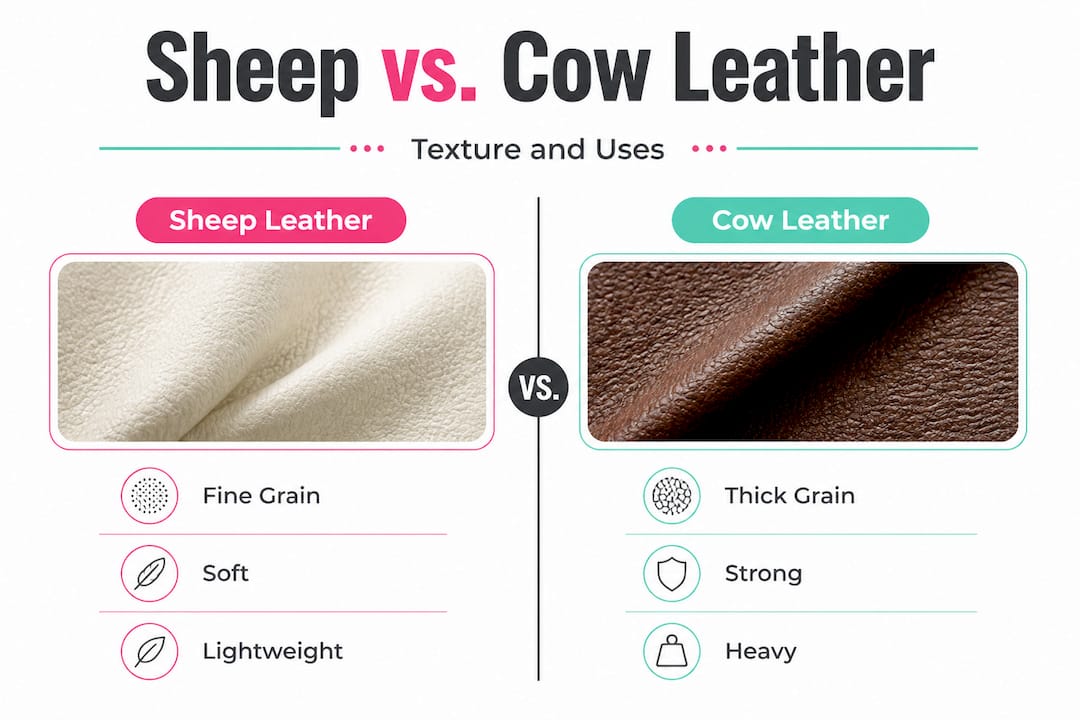
The texture sets sheep leather apart immediately. It’s fine-grained, smooth, and naturally supple in a way that thicker leathers can’t replicate through processing alone. The skin of a sheep is thin, porous, and flexible, which translates directly into a material that drapes beautifully and feels broken-in almost from day one. This makes it a top choice for luxury fashion houses working on jackets, gloves, and bags.
What makes sheep leather genuinely unique is the interplay between the animal’s biology and the craftsmanship applied afterward. Wool density, skin structure, and even the sheep’s diet and age all affect the raw hide before tanning ever begins. As noted in Shepherd of Sweden’s quality control documentation, sheepskin and leather quality is closely tied to processing steps such as selecting skins based on wool density and structure, tanning, and finishing. That means quality is built from the very first choice of hide, not just from what happens in the factory.
Here’s a quick look at what makes sheep leather stand out:
- Softness: Noticeably softer than cowhide or pig leather right out of the box
- Lightweight: Significantly lighter per square inch compared to heavier leathers
- Fine grain: A smooth, tight surface texture that takes dye and finishing beautifully
- Flexibility: Moves with the body rather than restricting it
- Luxury appeal: Favored by high-end designers for exactly these reasons
“The quality of sheepskin and leather is closely tied to the entire process, starting from selecting the right skins through to the final finish.” — Shepherd of Sweden
If you’re comparing options and want to understand the nuances between closely related hides, our breakdown of sheep vs. lambskin leather goes deep on the differences. And if you’ve heard the term lambskin used interchangeably and wondered what that actually means, the guide on what is lambskin leather clears that up quickly.
How sheep leather is made: From raw skin to finished product
With a clear idea of what sheep leather is, let’s unpack how it moves from raw material to luxury jacket. The production process is where most of the variation in quality actually comes from, and understanding it helps you shop smarter.
- Skin selection: Hides are inspected for wool density, skin thickness, and surface imperfections. Only skins that meet a minimum standard move forward. This step filters out a significant portion of raw hides.
- Soaking and cleaning: Selected hides are soaked to remove dirt, salt, and natural oils. This prepares the skin for chemical treatment without damaging the grain.
- Tanning: The most critical step. Tanning preserves the hide and determines how the leather will feel, smell, and last. Chrome tanning is fastest and produces a soft, consistent result, while vegetable tanning takes longer but creates leather with more character over time.
- Drying and conditioning: After tanning, hides are dried under controlled conditions to prevent cracking. Conditioning agents are worked into the skin to restore flexibility.
- Finishing: Dyes, coatings, and surface treatments are applied to achieve the desired color, sheen, and texture. High-end sheep leather is often finished with minimal coating to preserve its natural feel.
- Grading and cutting: Final hides are graded by quality before being cut into panels for garments or accessories.
Brands that maintain oversight at every one of these stages consistently produce better products. As brands may describe full-process quality control from raw skins through the finished product, that transparency is a strong positive signal when you’re evaluating a purchase.
| Production stage | Impact on softness | Impact on strength |
|---|---|---|
| Skin selection | High | High |
| Tanning method | Very high | High |
| Drying process | Medium | Medium |
| Finishing type | High | Low to medium |
| Grading quality | Medium | Medium |
Understanding where quality comes from also matters if you’re deciding between full grain vs. top grain leather, since those distinctions apply to sheep leather too, not just cowhide.
Pro Tip: When shopping for a sheep leather jacket, look for brands that openly describe their tanning process and skin sourcing. If a brand can’t or won’t explain how their leather is made, that’s worth noting before you commit.
Sheep leather vs. other leathers: What’s the difference?
After exploring how sheep leather is made, it’s crucial to see how it stacks up against other leathers you’ll find in stores. Not every leather works the same way for every purpose, and understanding the differences can save you from buying the wrong jacket for your lifestyle.
| Leather type | Softness | Durability | Weight | Best use case |
|---|---|---|---|---|
| Sheep | Very high | Moderate | Very light | Fashion jackets, gloves, bags |
| Lambskin | Extremely high | Low to moderate | Ultra light | Luxury fashion, light wear |
| Cowhide | Low to medium | Very high | Heavy | Motorcycle gear, work wear |
| Goatskin | Medium | High | Medium | Motorcycle wear, rugged fashion |
The comparison is useful because it cuts through the marketing noise. Sheep leather wins on comfort and aesthetics, but cowhide wins on raw toughness. For someone riding a motorcycle at highway speeds, cowhide or goatskin provides better abrasion resistance. For someone wanting a jacket that looks sharp at a dinner or a concert, sheep leather is a significantly better choice.
Here’s what to weigh before you decide:
- Softness matters most? Sheep and lambskin are your top picks.
- Durability is the priority? Cowhide or goatskin hold up better under serious use.
- Lightweight comfort is key? Sheep leather is noticeably easier to wear all day.
- You want natural insulation? Sheepskin with the wool left on adds genuine warmth.
- Customization and dyeing? Sheep leather takes color and finishing treatments exceptionally well.
Brands that provide full-process quality control, from skin selection through finishing, tend to produce sheep leather that lasts significantly longer than budget alternatives. The extra investment is worth it.
If you’ve been going back and forth between options, comparing sheep and lambskin in detail can help finalize the decision. And if you’re wondering whether a real leather jacket is genuinely worth the cost, the article on real leather jacket benefits lays out a strong case for why it outperforms synthetic materials year after year.
Uses of sheep leather: Jackets, accessories, and more
Now that differences between leather types are clear, let’s see how sheep leather shines in real-world products and how to make the most of it. Sheep leather isn’t a niche material. It’s genuinely versatile and shows up across a wide range of products in the fashion and accessories world.
The most popular uses include:
- Biker and fashion jackets: The combination of softness, drape, and visual elegance makes sheep leather the default choice for fashion-forward leather jackets. It creates a sleek silhouette without the bulk of cowhide.
- Gloves: Thin, flexible, and warm, sheep leather is the classic material for premium dress gloves and driving gloves.
- Handbags and clutches: The fine grain and color versatility make it ideal for accessories that need to look polished and age gracefully.
- Suede products: Many suede items are actually split sheep leather, buffed to create that distinctive velvety surface.
- Themed and custom jackets: Because sheep leather dyes so uniformly and accepts surface treatments well, it’s a top pick for custom designs, embroidery, and painted artwork.
That last point is especially relevant for anyone interested in one-of-a-kind pieces. Sheep leather holds custom detailing better than many stiffer hides, making it the material of choice for branded jackets, celebrity-inspired designs, and themed apparel. The fine grain means embossed patterns and embroidery sit cleanly on the surface without distortion.
As quality notes from Shepherd of Sweden’s processing guidelines confirm, the way sheep leather is tanned and finished directly influences how well it accepts these additional treatments. Better tanning means better results when you customize.
Care is important with sheep leather because its softness comes with a tradeoff. It’s more susceptible to moisture damage and scuffs than cowhide. Knowing how to care for sheep leather correctly extends its life dramatically.
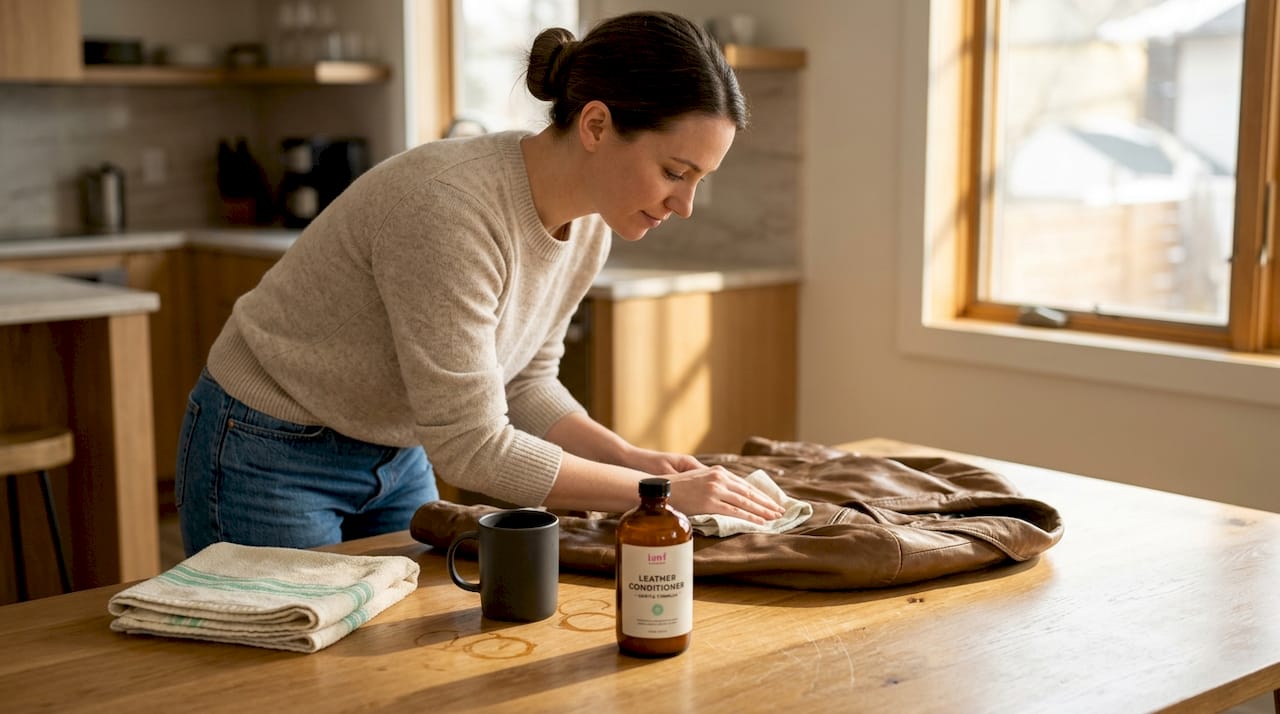
Pro Tip: Store your sheep leather jacket on a wide, padded hanger rather than a hook. This prevents shoulder creases and maintains the jacket’s natural shape between wears.
What most shoppers overlook when choosing sheep leather
Having seen how sheep leather performs across products, it’s time to bring a practical, critical lens to the buying process. We’ve worked with a lot of customers over the years, and the same mistake comes up again and again: people judge sheep leather entirely by how it feels in the moment without asking any deeper questions.
Softness is an easy thing to fake, at least in the short term. Cheaper hides can be heavily processed with softening agents that mimic the feel of well-tanned sheep leather during an in-store touch test. Six months later, the difference becomes clear when the leather starts stiffening, cracking, or losing its shape. The feel is only one data point, and it’s not even the most reliable one.
What actually determines long-term quality is the sourcing and the process behind the leather. Brands that are willing to talk about where their hides come from, what tanning method they use, and what quality controls they apply at each stage are almost always producing better leather than brands that stay vague. Transparency isn’t just marketing; it’s a signal of actual craftsmanship. This is why leather quality deserves the same consideration as design or price.
There’s also a mindset shift that separates savvy buyers from casual shoppers. Treating a sheep leather jacket as an investment changes how you evaluate it. An investment has to hold its value over time, which means the construction quality, the hardware, the stitching, and the leather itself all matter equally. Fashion-only thinking leads to buying a jacket that looks great at purchase but pills, softens unevenly, or loses color within a season or two.
The shoppers who end up happiest are the ones who ask hard questions before buying: Where is this leather from? What tanning process was used? Does this brand stand behind their product with real information or just marketing language? Those questions filter out a lot of mediocre products before they end up in your closet.
Explore premium sheep leather jackets and customization
Sheep leather earns its reputation every time you put on the right jacket. The softness, the fit, the way it moves with you — it’s a material that genuinely rewards attention to quality. If you’re ready to take the next step beyond browsing, Maker of Jacket offers a wide range of sheep and lambskin leather jackets built for both style and substance.
Whether you’re looking for something ready to wear or want to build something truly your own, customize your jacket directly through our design process and get a piece made to your exact measurements, color choices, and detailing preferences. For a strong starting point, the men’s genuine lambskin biker jacket showcases exactly what quality sheep-family leather looks like when the craftsmanship is done right. And once your jacket arrives, our leather care guide walks you through keeping it in top condition for years to come.
Frequently asked questions
Is sheep leather real leather?
Yes, sheep leather is genuine leather made from the hide of sheep. As confirmed by quality-focused producers, sheepskin quality is closely tied to selecting the right skins, tanning, and finishing, which are all hallmarks of real leather production.
How durable is sheep leather for jackets?
Sheep leather is softer and lighter than cowhide, making it very comfortable, but it’s slightly less durable under heavy physical use. It’s an excellent choice for fashion jackets, though proper leather processing and care can significantly extend its lifespan.
What is the best way to care for sheep leather?
Keep sheep leather jackets clean with a damp cloth, avoid harsh cleaning chemicals, and condition them every few months to maintain softness and prevent cracking. Store them properly on padded hangers away from direct sunlight and moisture.
How is sheep leather different from lambskin?
Sheep leather comes from mature sheep and tends to be slightly thicker and more structured. Lambskin is taken from younger animals, making it even softer and finer-grained, though also more delicate and typically more expensive per square foot.
Recommended
- Ultimate Guide on Cowhide Leather: Origins, Characteristics, Benefits, Care, and Applications – Maker of Jacket
- Why Invest in Quality Leather – Long-Term Value Unpacked – Maker of Jacket
- What Is Lambskin Leather? A Comprehensive Guide – Maker of Jacket
- What is Lambskin Leather? Understanding Its Unique Qualities – Maker of Jacket


