

Real leather jacket benefits: durability & style 2026

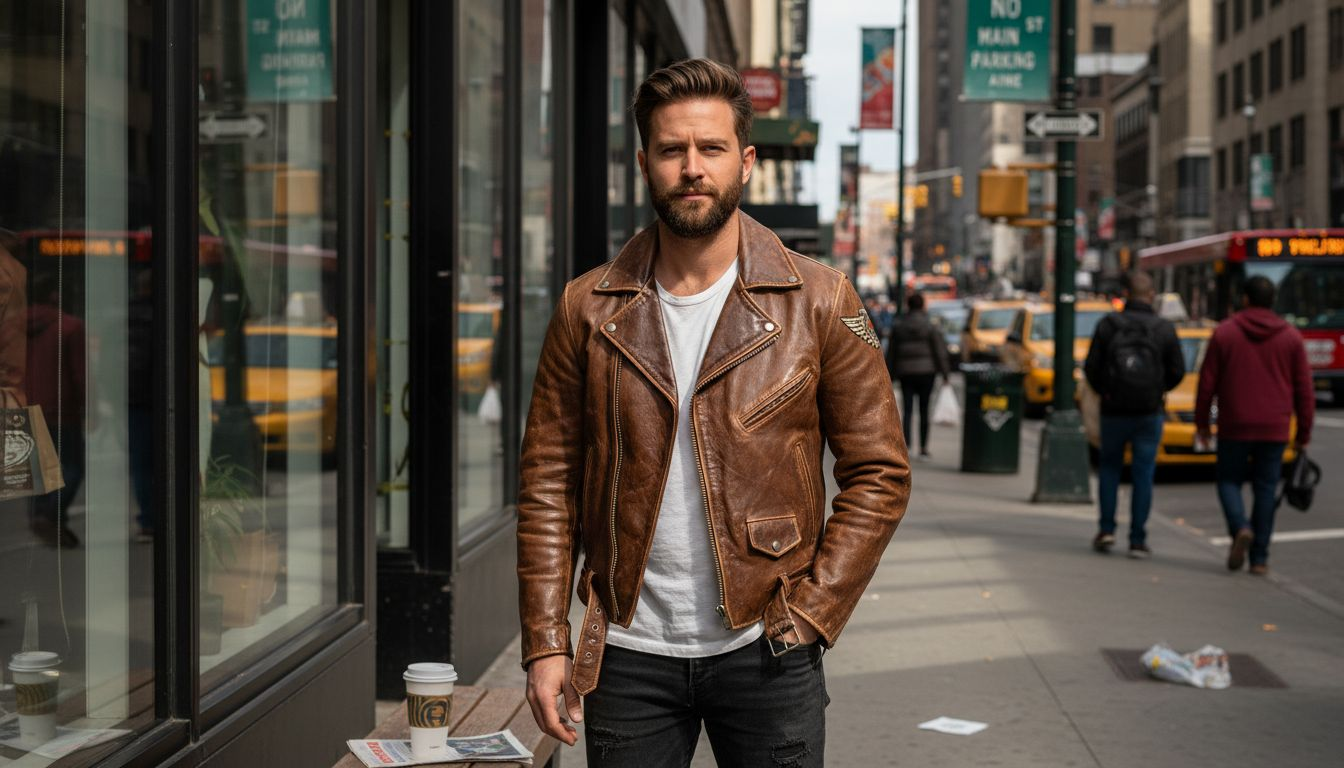
Intangible Advantages of Real LeatherA quality real leather jacket can last up to 30 years, outliving synthetic alternatives by a factor of six or more. Yet countless buyers struggle to understand what makes real leather worth the investment beyond simple aesthetics. This guide reveals how authentic leather delivers unmatched durability, personalized comfort, and evolving style that synthetic materials simply cannot match.
Table of Contents
- Understanding Real Leather: Definition And Properties
- Durability And Longevity: Why Real Leather Lasts Longer
- Comfort And Breathability: How Real Leather Adapts To Wearers
- Customization Advantages: Crafting Personalized Leather Apparel
- Common Misconceptions About Real Vs Synthetic Leather
- How Real Leather Ages: Patina And Style Longevity
- Evaluating Cost Vs. Benefit: Is Real Leather Worth It?
- Explore Customizable Real Leather Jackets At Maker Of Jacket
Key takeaways
| Point | Details |
|---|---|
| Exceptional durability | Real leather jackets last 15 to 30 years compared to 2 to 5 years for synthetics. |
| Superior breathability | Natural porous structure regulates temperature and wicks moisture better than synthetic alternatives. |
| Customization potential | Real leather accepts dyeing, embossing, and tailoring far better than synthetic materials. |
| Valuable patina development | Authentic leather develops unique character over time, increasing resale value. |
| Long term cost efficiency | Higher initial price delivers lower annual cost through extended lifespan and resale potential. |
Understanding real leather: definition and properties
Real leather comes from natural animal hides with a fibrous structure providing durability and breathability. The tanning process transforms raw hide into stable, wearable material while preserving the natural fiber network that gives leather its signature properties. This organic structure sets real leather fundamentally apart from petroleum based synthetic alternatives.
Leather quality varies significantly by grade. Full grain leather retains the complete hide surface, offering maximum durability and developing the richest patina over time. Top grain leather has the surface lightly sanded for uniformity while maintaining strong performance. Genuine leather uses lower hide layers and delivers acceptable quality at reduced cost.
Key material properties make real leather ideal for jackets:
- Dense fiber network resists tearing and abrasion far better than woven synthetics
- Natural pores allow moisture vapor to escape, preventing the clammy feel of coated materials
- Protein based structure adapts to body contours and temperature changes
- Inherent thickness provides insulation without bulk
Synthetic leather lacks this fibrous architecture entirely. Polyurethane or PVC coatings applied to fabric backing cannot replicate the breathability, strength, or aging characteristics of authentic hide. Understanding these fundamental differences helps explain why real leather commands premium pricing and delivers superior long term value.
For fashion conscious buyers and motorcycle enthusiasts, these properties translate directly into performance advantages. The synthetic vs real leather guide explores these distinctions in greater depth for those evaluating material options.
Durability and longevity: why real leather lasts longer
The interlocking collagen fibers in real leather jackets typically last 15 to 30 years, resisting tearing and abrasion better than synthetics. This natural structure distributes stress across the entire hide surface rather than concentrating force at weak points like fabric weaves or coating layers. When properly cared for, premium leather jackets often outlast their original owners.
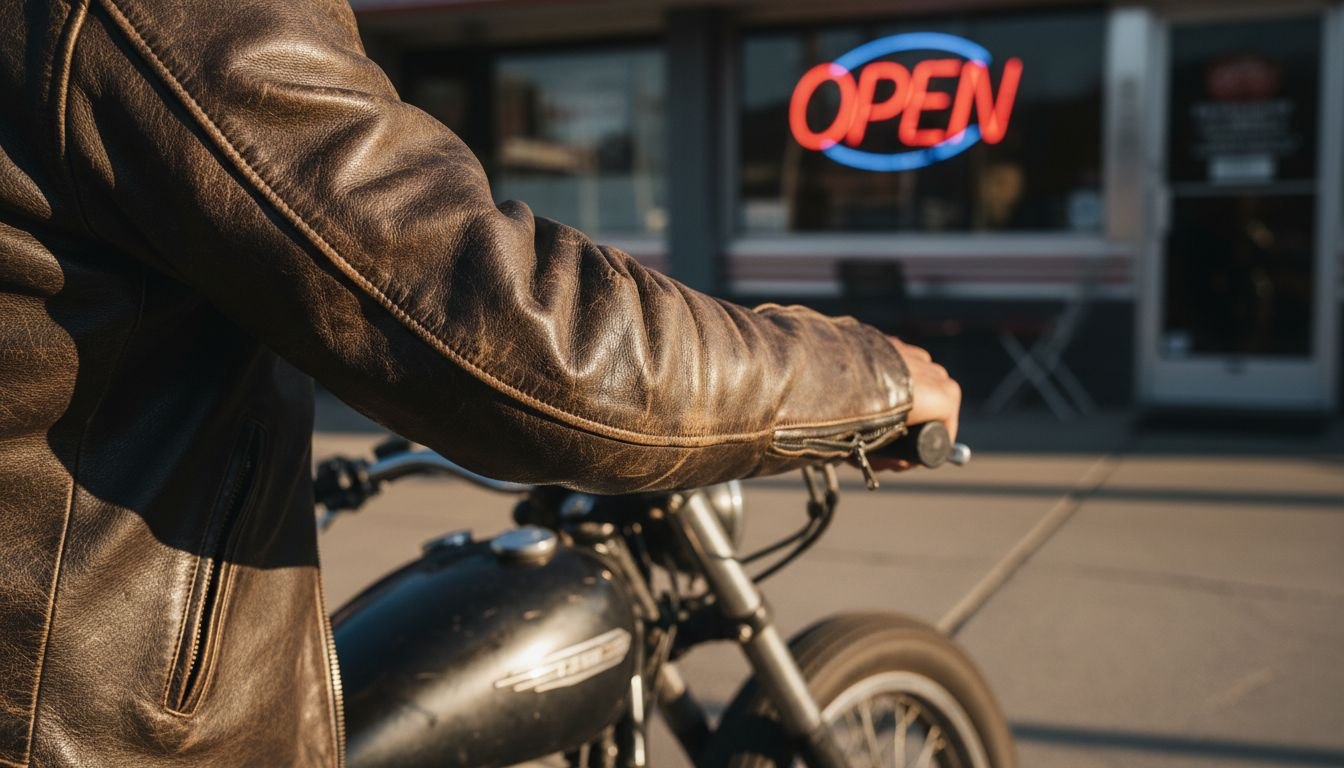
Synthetic alternatives show their limitations quickly. Polyurethane coatings crack and peel after 2 to 5 years of regular wear. The fabric backing degrades from UV exposure and flexing stress. Seams fail as the material loses integrity. You face replacement costs every few years with synthetic jackets.
Motorcycle riders particularly benefit from leather’s protective qualities:
- Abrasion resistance protects skin during slides, with quality leather holding up to 3 seconds of pavement contact
- Tear strength prevents the material from ripping apart on impact
- Thickness provides impact cushioning without restricting movement
- Weather resistance maintains performance through rain and temperature extremes
The durability of leather jackets makes them reliable protective gear that riders trust year after year. Fashion wearers gain similar longevity advantages without the safety demands.
Cost justification becomes clear when comparing lifespan. A $600 leather jacket lasting 20 years costs $30 annually. A $150 synthetic replacement every 3 years averages $50 per year. The premium option actually saves money while delivering better performance.
Pro Tip: Examine leather thickness and grade before purchasing. Full grain leather 1.2mm or thicker provides maximum longevity for both fashion and motorcycle applications. Check for consistent color and texture across the hide, indicating quality tanning and finishing.
Consider best leather materials durability specifications when evaluating jacket options to ensure your investment delivers decades of reliable wear.
Comfort and breathability: how real leather adapts to wearers
The porous structure of real leather allows moisture and heat escape, providing higher breathability than synthetics. Thousands of microscopic pores formed during the tanning process create pathways for water vapor to move through the material. Your body heat and perspiration vent naturally rather than building up against your skin.
This breathability delivers measurable comfort advantages. During active wear or warm conditions, leather wicks moisture away from your body while synthetic coatings trap it. The result is a drier, more comfortable wearing experience that extends how long you can comfortably keep the jacket on.
Thermal regulation works both ways. Leather’s protein structure provides natural insulation that maintains stable temperature. In cold weather, it traps body heat effectively. When temperatures rise, the porous structure allows excess heat to dissipate. Synthetic materials either insulate poorly or trap heat with no middle ground.
Comfort features that matter for extended wear:
- Natural flexibility that increases as leather breaks in to your body shape
- Soft hand feel that improves rather than deteriorates over time
- Weight distribution that avoids the stiff, plasticky feel of coated synthetics
- Odor resistance from antibacterial properties inherent in properly tanned leather
Motorcyclists spend hours in their gear, making comfort critical. The benefits of leather jackets include reduced fatigue from temperature regulation and breathability. Fashion wearers enjoy all day comfort without the sweaty discomfort synthetic jackets cause.
Pro Tip: Match leather type to your climate and activity level. Lighter weight lambskin or goatskin works well for moderate climates and casual wear. Heavier cowhide or buffalo leather suits cold weather and high protection needs. Consider perforated leather panels for maximum breathability in warm regions.
Customization advantages: crafting personalized leather apparel
Real leather responds exceptionally well to customization techniques that create truly unique garments. The natural material accepts dyes deeply and evenly, allowing rich color options beyond factory finishes. Hand tooling and embossing create permanent textured designs impossible with synthetic coatings. Patches and embellishments attach securely to the dense fiber structure.
Over 80% of custom jacket makers prefer real leather due to its responsiveness to dyeing, embossing, and finishing. Synthetic materials resist dye penetration and cannot be refinished once the coating degrades. Real leather accepts multiple rounds of modification throughout its lifespan.
Customization options available with authentic leather:
- Hand painting or airbrushing for artistic designs
- Laser etching for precise patterns and text
- Metal studs, chains, and hardware that anchor securely
- Custom tailoring for perfect fit adjustments
- Color restoration or complete redyeing as preferences change
The emotional connection to personalized leather runs deep. Fashion research shows custom jackets become identity markers that wearers treasure for decades. Motorcycle clubs use customized leather to build community identity and individual expression simultaneously. Each modification adds personal history to the garment.
“A custom leather jacket isn’t just clothing, it’s a canvas for self expression that improves with every mark and modification. The material grows with you rather than against you.”
Exploring customizing leather jackets reveals countless creative possibilities. Professional customizers guide the process from initial concept through final finishing. The customization journey transforms standard sizing into perfectly tailored, personally meaningful apparel.
Synthetic alternatives simply cannot match this versatility. Coatings prevent dye absorption. Embossing crushes the fabric backing. Hardware pulls through weak material. Real leather’s structural integrity enables modification that enhances rather than damages the garment.
Common misconceptions about real vs synthetic leather
Myths about real leather persist despite evidence to the contrary. Understanding the facts helps you make informed purchasing decisions without falling for common misinformation.
Real leather aging and patina are positive features, not defects, and it is often a byproduct making it sustainable. The meat industry produces millions of hides annually as inevitable byproducts. Using these hides for leather prevents waste while creating durable goods. Synthetic alternatives require petroleum extraction and chemical processing with significant environmental costs.
Maintenance myths also mislead buyers. Real leather requires occasional conditioning, typically 2 to 4 times yearly depending on wear frequency. Synthetic jackets need similar cleaning and care but offer no refinishing options when damage occurs. Leather can be reconditioned, recolored, and repaired indefinitely. Synthetics go to landfills once the coating fails.
Common myths corrected:
- Myth: Leather isn’t sustainable. Reality: It utilizes meat industry byproducts and lasts decades, reducing replacement waste.
- Myth: Leather needs constant maintenance. Reality: Basic care takes minutes quarterly and extends lifespan dramatically.
- Myth: Leather damage is permanent. Reality: Professional repair and refinishing restore even heavily worn leather.
- Myth: Synthetics perform as well as leather. Reality: Breathability, durability, and aging characteristics differ fundamentally.
- Myth: Leather is always expensive. Reality: Quality leather costs less per year of use than synthetic replacements.
The aging process causes particular confusion. Leather develops character marks, slight color variations, and surface patina that inexperienced buyers mistake for defects. These features actually increase value and visual appeal for knowledgeable enthusiasts. Synthetics crack and peel, which truly are defects requiring replacement.
Address these misconceptions directly when discussing leather with friends or sales staff. The leather myths and truths resource provides detailed explanations for deeper understanding. Making decisions based on accurate information rather than myths leads to better long term satisfaction.
How real leather ages: patina and style longevity
Patina formation typically begins after 5 years of regular wear, enhancing perceived value and uniqueness. Natural oils from your skin, environmental exposure, and normal flexing create subtle color variations and surface sheen. This organic aging process makes each jacket truly one of a kind.
The visual evolution adds character that new jackets lack. High wear areas darken slightly, creating natural highlighting. Creases develop memory that reflects your movement patterns. The overall appearance gains depth and richness impossible to replicate artificially.
“Patina transforms a leather jacket from a product into a personal artifact. Every mark tells part of your story, creating visual interest that grows more compelling over time.”
Fashion enthusiasts prize well developed patina, often paying premium prices for vintage leather with exceptional aging. The resale market reflects this preference. Properly maintained leather jackets with attractive patina command 60% to 80% of original retail value even after decades of use. Synthetic jackets have essentially zero resale value once worn.
| Age Period | Real Leather Appearance | Synthetic Leather Appearance |
|---|---|---|
| New to 2 years | Slight softening, minimal color change | Factory appearance maintained |
| 3 to 7 years | Developing patina, richer color depth | Surface showing wear, minor cracking |
| 8 to 15 years | Distinctive character, valued aging | Coating peeling, tears appearing |
| 16+ years | Prized vintage patina, strong resale value | Complete degradation, disposal |
The aging difference fundamentally changes how you view the purchase. Real leather improves aesthetically while synthetics deteriorate. Your investment appreciates in character even as it depreciates slightly in dollar value. Synthetic jackets simply become trash.
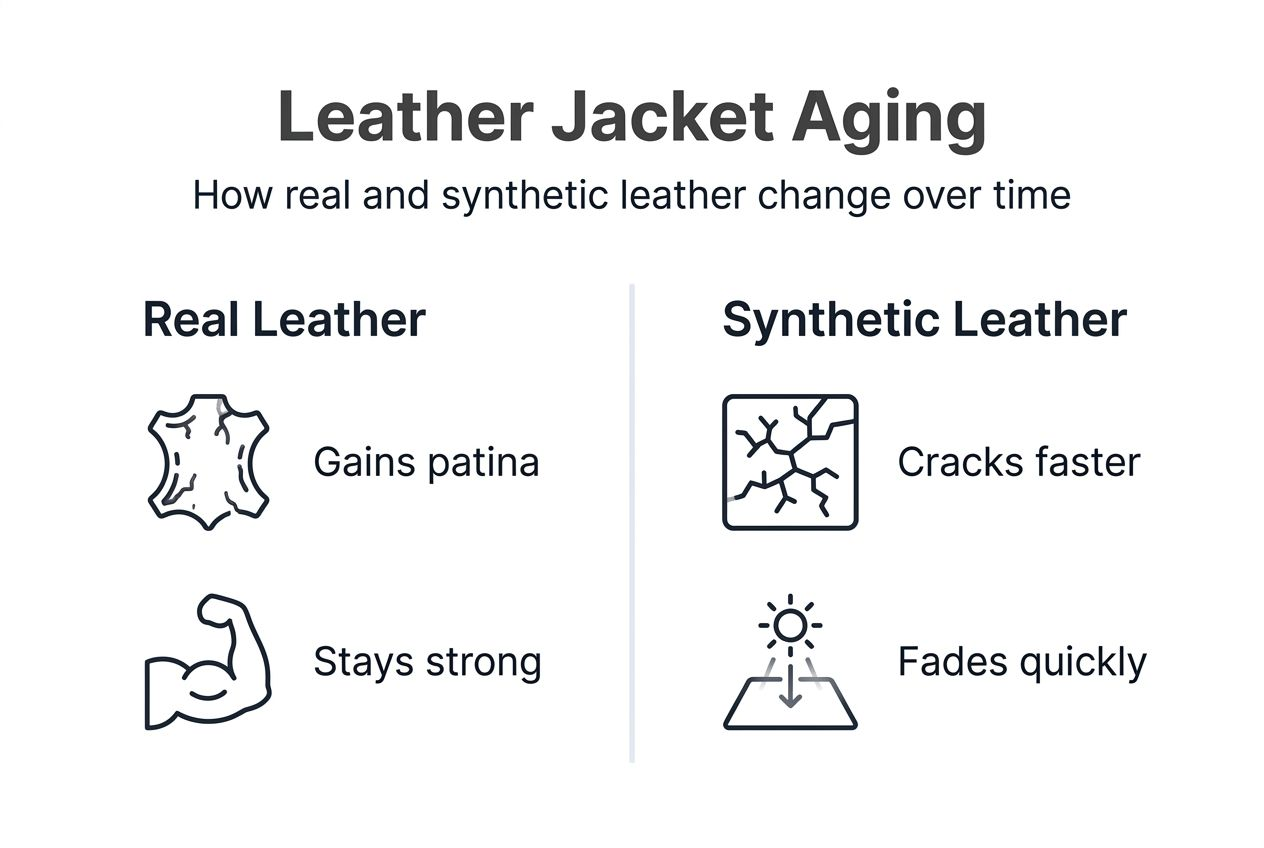
Style longevity extends beyond physical aging. Classic leather jacket designs remain fashionable across decades because the material itself never looks dated. The leather jackets timeless style transcends temporary trends, making quality leather a wardrobe staple that works year after year.
Care accelerates positive aging while preventing damage. Regular conditioning maintains oil content for even patina development. Proper storage prevents unwanted creasing or color fade. The real leather patina beauty grows more pronounced with knowledgeable stewardship.
Evaluating cost vs. benefit: is real leather worth it?
Making smart purchase decisions requires looking beyond sticker prices to total ownership costs and value delivered. Real leather jackets have higher upfront cost but deliver lower cost per year of use due to durability and resale value.
Consider a typical comparison. A quality real leather motorcycle jacket costs $500 to $800. It lasts 20 to 30 years with basic care. Annual cost averages $20 to $30. A synthetic alternative costs $150 to $250 but requires replacement every 3 to 5 years. Annual cost runs $40 to $60, double the leather expense.
Resale value changes the calculation further. Your used leather jacket retains 50% to 70% of purchase price when sold after years of wear. Synthetic jackets have essentially no resale market. The leather jacket’s net cost after resale drops to $10 to $15 annually.
Cost Comparison
| Factor | Real Leather | Synthetic Leather |
|---|---|---|
| Initial Cost | $500 to $800 | $150 to $250 |
| Lifespan | 20 to 30 years | 3 to 5 years |
| Annual Cost | $20 to $30 | $40 to $60 |
| Resale Value | 50% to 70% | Near zero |
| Net Annual Cost | $10 to $15 | $40 to $60 |
| Customization | Extensive options | Very limited |
| Patina Development | Increases value | No positive aging |
Intangible Advantages of Real Leather
Intangible benefits matter too. The comfort, breathability, and style confidence from quality leather enhance daily life in ways hard to quantify. Customization creates emotional attachment that transcends pure utility. These factors justify premium pricing for buyers who value them.
Ownership Checklist
Evaluate your specific situation with this checklist:
- Calculate how many years you’ll realistically wear the jacket based on lifestyle and wardrobe rotation.
- Assess whether breathability and comfort matter for your climate and activity level.
- Determine if customization appeals to your personal style preferences.
- Compare total cost over your expected ownership period, not just initial price.
- Consider resale value if you might sell or trade the jacket eventually.
- Factor in repair and refinishing options that extend leather lifespan indefinitely.
Bottom Line
The buy premium leather value proposition strengthens considerably for anyone planning to wear their jacket regularly over many years. Occasional wearers might find synthetic options adequate despite their limitations. Daily users and enthusiasts gain clear advantages from authentic leather’s performance and longevity.
Budget constraints are real, but financing quality over replacing cheap products saves money long term. One excellent leather jacket outperforms three mediocre synthetic replacements while costing less overall and delivering better experiences throughout ownership.
Explore customizable real leather jackets at Maker of Jacket
Ready to invest in leather that lasts decades while reflecting your unique style? Maker of Jacket specializes in premium customizable leather jackets crafted for fashion enthusiasts and motorcycle riders who demand quality.
Every custom jacket online starts with your vision and expert guidance through material selection, fit customization, and finishing details. Choose from full grain, top grain, and specialty leathers suited to your climate and intended use. Add personal touches like custom colors, embossing, hardware, and tailored fit adjustments.
The unique customization journey ensures your jacket fits perfectly and expresses your individual style. Experienced craftspeople guide each step from initial consultation through final delivery. Motorcycle riders get protective gear built to their specifications. Fashion buyers receive statement pieces that stand out from mass produced alternatives.
Explore handmade leather jackets that showcase the quality and attention to detail you’ll receive. Each piece demonstrates the durability, comfort, and style advantages discussed throughout this guide. Start designing your personalized leather jacket today.
FAQ
What should I consider when choosing between real and synthetic leather jackets?
Prioritize durability, breathability, customization potential, total cost over lifespan, and style longevity when making your decision. Real leather excels in all these areas despite higher initial pricing. Synthetic alternatives work for occasional wear but cannot match long term value or performance for regular use.
How does real leather develop a patina and why is it desirable?
Patina forms naturally after approximately 5 years of regular wear as oils, environmental exposure, and flexing create subtle color variations and surface sheen. This organic aging adds unique character that increases both visual appeal and resale value. Each jacket develops distinctive patina reflecting its individual history and use patterns.
Is real leather sustainable and easy to maintain?
Real leather utilizes byproducts from the meat industry that would otherwise go to waste, making it a sustainable material choice. Maintenance requires simple conditioning 2 to 4 times yearly, comparable to caring for synthetic jackets but with the advantage of indefinite repair and refinishing options. Proper care extends lifespan to 20 or 30 years, dramatically reducing replacement waste.
Can real leather jackets be customized easily?
Yes, authentic leather accepts dyeing, embossing, tooling, and hardware modifications far better than synthetic alternatives. The dense fiber structure holds customizations permanently and can be refinished multiple times throughout the jacket’s lifespan. Over 80% of professional customizers prefer working with real leather due to superior results and modification flexibility.


