

Why jacket care matters: preserve style, safety & durability


Neglecting proper jacket care can reduce your leather jacket’s lifespan by up to 10 years, transforming a valuable investment into a cracked, uncomfortable garment. Whether you ride motorcycles or simply appreciate quality leather fashion, understanding maintenance fundamentals protects both your safety and your style. This guide reveals exactly why jacket care matters and how simple routines preserve durability, appearance, and protective features for years to come.
Table of Contents
- Understanding Why Jacket Care Matters
- How Jacket Care Preserves Durability And Appearance
- Special Care Considerations For Customized And Themed Jackets
- Common Mistakes And Misconceptions In Jacket Care
- Comparison Of Care Methods And Products
- Step-By-Step Jacket Care Routine
- Storage And Long-Term Preservation Tips
- Explore Custom Jacket Options At Maker Of Jacket
Key takeaways
| Point | Details |
|---|---|
| Proper care extends lifespan | Regular conditioning and cleaning can add up to 10 years to your jacket’s life. |
| Safety depends on maintenance | Dry, cracked leather compromises protective features during motorcycle crashes. |
| Custom jackets need special attention | Standard cleaning methods can damage personalized artwork and prints. |
| Storage prevents damage | Breathable garment bags reduce mold risk by 60% compared to plastic covers. |
| Common myths cause harm | Household cleaners and direct heat drying destroy leather fibers and structure. |
Understanding why jacket care matters
Your leather jacket represents far more than a fashion statement. It’s a protective barrier, a style investment, and often a customized piece of personal expression. Proper maintenance can extend lifespan by up to 10 years, but the benefits go deeper than simple longevity.
Leather is a natural material that behaves almost like skin. Without regular conditioning, natural oils deplete rapidly, leaving the material brittle and prone to cracking. For motorcycle riders, this deterioration directly impacts safety because dry leather increases injury risk during accidents when protective gear fails to absorb impact properly.
Beyond safety concerns, neglected jackets lose their visual appeal quickly. Fading colors, stiff textures, and visible cracks make even premium jackets look cheap and worn. Consider these essential care benefits:
- Maintains supple texture and comfortable fit
- Preserves water resistance and weather protection
- Prevents premature aging and structural breakdown
- Protects customized elements like artwork and embroidery
- Reduces long-term replacement costs
Understanding what is leather jacket construction helps you appreciate why maintenance matters so much. The tanning process, dye application, and finish treatments all require ongoing care to maintain their intended performance. When you invest in quality leather, you’re purchasing living material that responds to how you treat it.
Pro Tip: Think of leather conditioning like moisturizing your skin. Both need regular hydration to stay flexible, healthy, and resistant to damage from environmental factors.
Your jacket faces constant stress from body oils, sweat, UV exposure, and temperature fluctuations. Each ride or wear session gradually depletes protective oils and weakens fibers. Without intervention, this natural degradation accelerates until damage becomes irreversible. Smart care routines interrupt this decline, keeping your investment functional and attractive for decades.
How jacket care preserves durability and appearance
The science behind leather degradation reveals why maintenance works so effectively. Leather fibers contain natural oils and proteins that provide flexibility and strength. As these compounds break down through use and exposure, the material becomes increasingly vulnerable to permanent damage.
The Role of Conditioning
Conditioning replenishes lost oils and prevents cracking by penetrating deep into fiber structures. Quality conditioners contain emollients that bond with leather proteins, restoring moisture balance and mechanical properties. This process reverses early-stage drying before visible cracks appear.
Risks of Improper Cleaning
Chemical damage from improper cleaning poses an equally serious threat. Improper cleaning reduces structural integrity by up to 30%, weakening the bonds between fibers and accelerating wear. Harsh detergents strip away protective finishes and natural oils simultaneously, leaving leather defenseless against environmental stress.
Internal Degradation
Internal degradation often goes unnoticed until it’s too late. Sweat and body oils migrate into inner layers, creating acidic conditions that break down proteins from the inside out. Regular cleaning removes these contaminants before they cause irreversible harm. Key preservation mechanisms include:
- Oil replacement maintains fiber flexibility and prevents brittleness
- pH-balanced cleaning removes acids without damaging protective coatings
- Proper drying prevents water damage and mold growth
- UV protection stops color fading and surface deterioration
Tailoring Care to Leather Type
Regular jacket maintenance in 2026 requires understanding how different leather types respond to care products. Full-grain leather needs different treatment than corrected grain or suede. Using appropriate products for your specific jacket type maximizes preservation effectiveness while minimizing risk.
Recognizing and Preventing Cracks
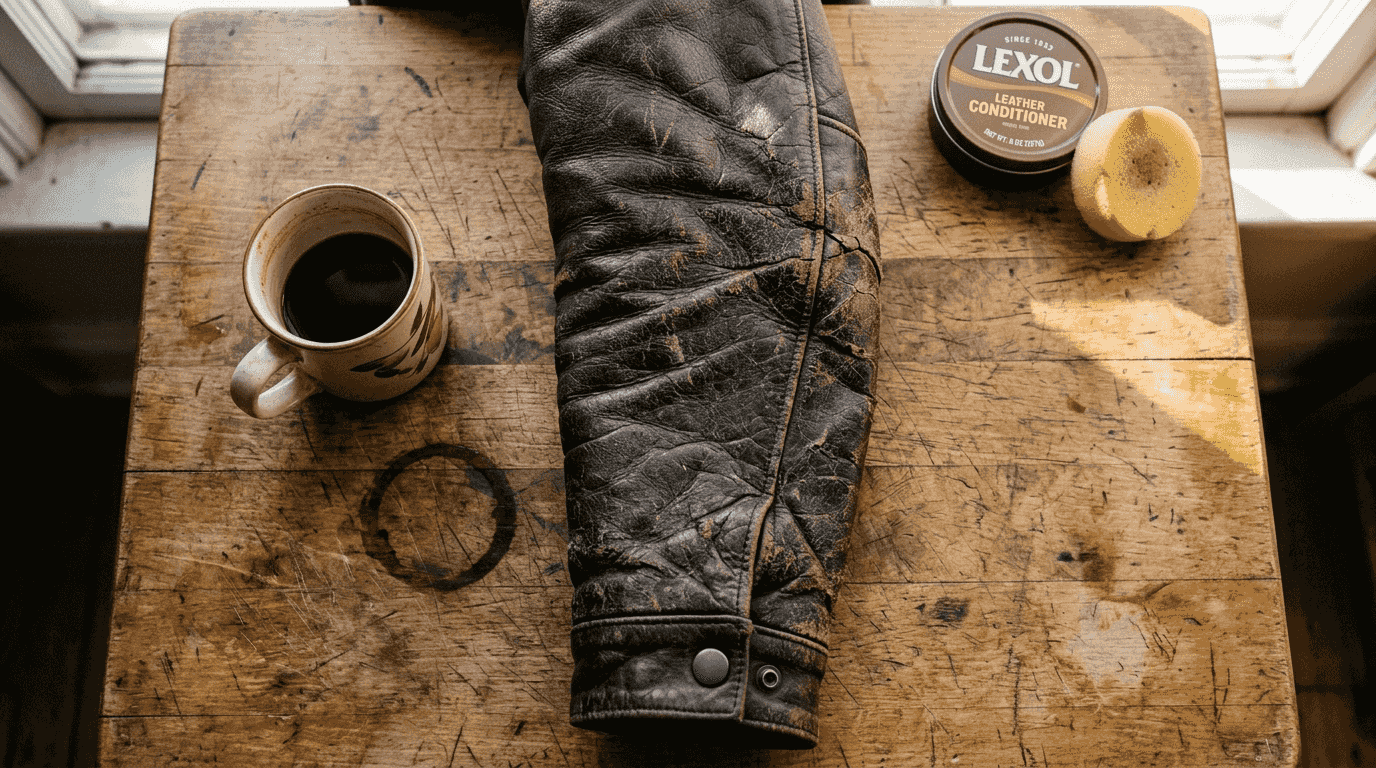
Crack formation follows a predictable pattern. Surface checking appears first as tiny lines in high-stress areas like elbows and shoulders. Without intervention, these surface cracks deepen into the leather structure, eventually splitting completely through the hide. Once cracks penetrate fully, repair becomes impossible and replacement becomes necessary.
The Economic Value of Proper Care
The economic argument for proper care is compelling. A quality leather jacket costs hundreds or thousands of dollars. Spending a few dollars monthly on cleaning and conditioning products prevents expensive repairs or premature replacement. Over a jacket’s potential lifespan, maintenance costs represent less than 5% of replacement value.
Special care considerations for customized and themed jackets
Why Customized Jackets Need Special Care
Customized leather jackets require heightened attention because personalization adds vulnerable elements to already delicate material. Custom paints, screen prints, embroidery, and appliques all introduce surfaces that standard leather care can damage. Custom paints and prints risk fading with standard cleaning methods, making specialized approaches essential.
Artwork applied to leather sits on or near the surface, making it particularly susceptible to abrasion and chemical damage. Standard leather cleaners often contain solvents that dissolve paint binders or cause color bleeding. Even gentle rubbing during cleaning can wear away delicate designs if you’re not careful.
Understanding Your Jacket’s Customization
Protecting personalized custom jackets starts with understanding how customization interacts with leather care products. Water-based paints respond differently than oil-based finishes. Printed designs have different vulnerability profiles than hand-painted artwork. Knowing your jacket’s customization method guides product selection.
Safe Cleaning Practices for Customized Jackets
Safe care practices for customized jackets include:
- Test cleaning products on hidden areas before applying to visible surfaces
- Use soft cloths rather than brushes to avoid abrading artwork
- Apply conditioner around custom elements rather than directly over them
- Choose pH-neutral cleaners without harsh solvents
- Air dry completely before storing to prevent moisture damage
Pro Tip: Contact the customization artist or manufacturer for specific care recommendations. Many use proprietary materials requiring specialized maintenance approaches.
Handling Embroidery and Appliques
Embroidered and appliqued customizations present different challenges. Thread and fabric additions create texture variations that trap dirt and moisture. These raised elements also experience more mechanical stress during wear, making surrounding leather more prone to cracking. Extra conditioning around these areas maintains flexibility and prevents stress cracks.
Handling Embroidery and Appliques
Color-treated leathers in themed jackets fade faster than natural leather tones. UV exposure, heat, and chemical cleaners all accelerate color loss. Protective sprays designed for colored leather create barriers against these damaging factors. Reapply protective treatments every few months to maintain vibrant appearance.
Storage for Customized Jackets
Storage becomes even more critical for customized pieces. Light exposure fades artwork faster than plain leather. Temperature fluctuations cause painted surfaces to crack or peel. Humidity encourages mold growth that permanently stains custom designs. Proper storage in controlled environments preserves both leather and customization integrity.
Common mistakes and misconceptions in jacket care
Widespread myths about leather care lead countless owners to inadvertently damage their jackets. Understanding these misconceptions helps you avoid costly mistakes that compromise appearance and safety.
The most damaging myth suggests jackets don’t need cleaning if they look clean. Internal damage still occurs even when surfaces appear pristine. Invisible body oils, salts, and acids penetrate leather fibers, breaking down proteins and weakening structure. By the time damage becomes visible, it’s often irreversible.
Household Products Are Not Safe
Household cleaning products represent another serious threat. Dish soap, all-purpose cleaners, and laundry detergents contain surfactants and alkaline compounds that strip leather’s natural oils. What seems like harmless cleaning actually accelerates aging and causes brittleness. Always use products specifically formulated for leather.
Heat Damage and Drying Errors
Direct heat drying causes up to 15% shrinkage, permanently altering fit and creating stiff, uncomfortable garments. Hair dryers, radiators, and direct sunlight all damage wet leather. The rapid moisture loss causes fibers to contract unevenly, resulting in warping and hardening that can’t be reversed.
Common Care Mistakes
Common care errors include:
- Skipping conditioning because leather feels soft
- Using furniture polish or household oils as substitutes for leather conditioner
- Machine washing or dry cleaning without checking manufacturer guidelines
- Storing in plastic garment bags that trap moisture
- Ignoring small stains until they set permanently
Conditioning Frequency Myths
The conditioning frequency debate confuses many owners. Some believe once yearly suffices, while others condition monthly. Neither extreme serves leather well. Most jackets need conditioning every three to four months, with adjustments based on climate and wear frequency. Dry climates and heavy use demand more frequent treatment.
Storage Misconceptions
Plastic storage covers cause mold and discoloration by trapping humidity against leather surfaces. This creates perfect conditions for mildew growth, which leaves permanent stains and musty odors. Breathable fabric garment bags allow air circulation while protecting against dust and light exposure.
Special Considerations for White Leather
Another misconception involves white leather jacket care. Many believe white leather requires identical care to darker colors. In reality, white leather shows stains more readily and requires more frequent gentle cleaning. Color transfer from denim and other fabrics also affects white leather more visibly, demanding extra precautions.
The weatherproofing myth suggests all leather jackets naturally repel water. While leather has some inherent water resistance, it diminishes over time without maintenance. Regular application of water-repellent sprays maintains protection against rain and snow. Without this treatment, water penetrates deeply, causing stains and promoting mold growth.
Comparison of care methods and products
Choosing appropriate care products and methods dramatically impacts maintenance effectiveness. Not all conditioners, cleaners, and storage solutions deliver equal results. Understanding key differences helps you invest in products that truly protect your jacket.
Specialized conditioners retain 80% more moisture compared to generic moisturizers like coconut oil or petroleum jelly. Purpose-designed leather conditioners contain molecular structures that bond with leather proteins, providing lasting hydration. Generic products sit on the surface without penetrating, offering temporary softness but no real protection.
Storage Method Comparisons
Storage method comparisons reveal significant performance differences. Breathable garment bags reduce mold risk by 60% versus plastic alternatives. Cotton or canvas bags allow moisture to escape while blocking dust and light. This balance prevents both mold growth and environmental damage.
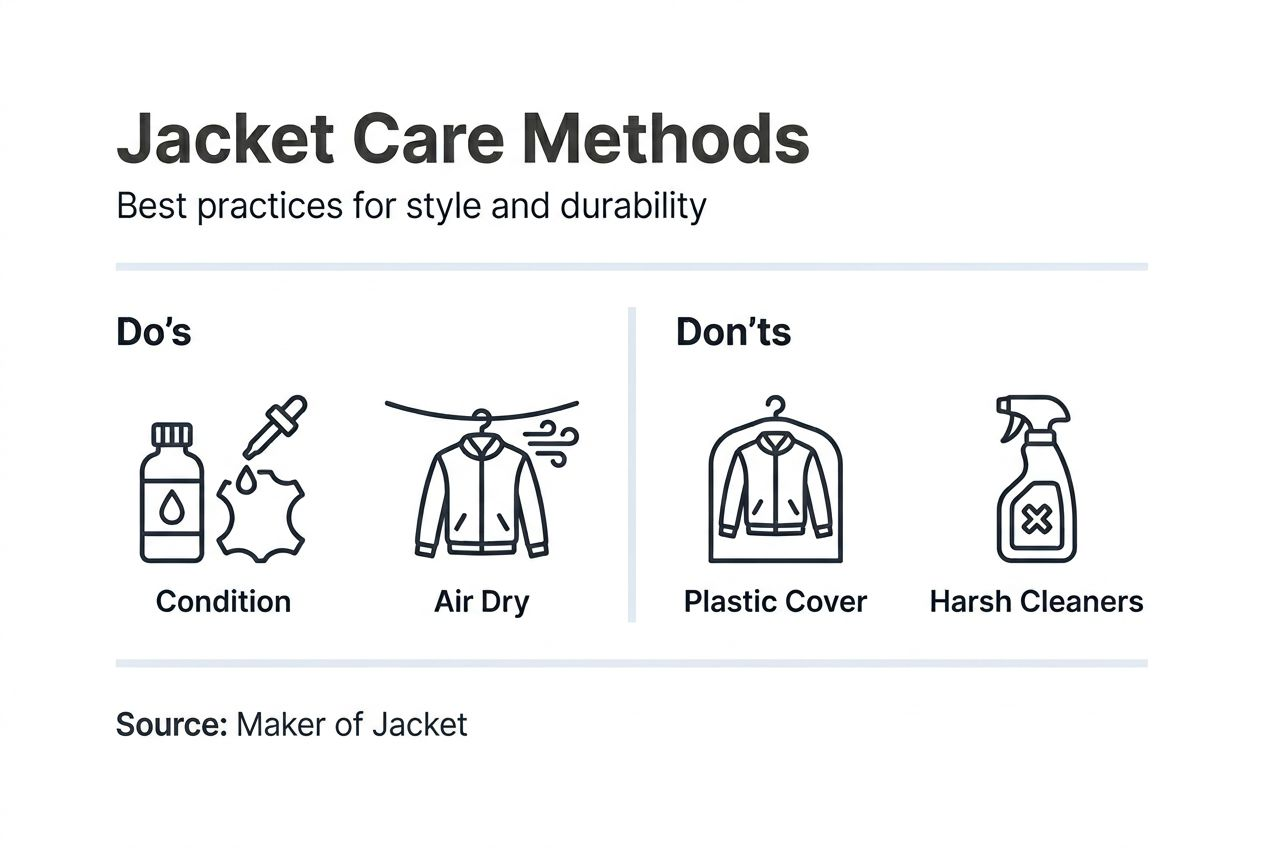
| Care Aspect | Recommended Option | Alternative | Key Difference |
|---|---|---|---|
| Conditioning | Leather-specific conditioner | Coconut oil or petroleum jelly | 80% better moisture retention |
| Cleaning | pH-neutral leather cleaner | Dish soap or detergent | Preserves natural oils and finish |
| Storage | Breathable garment bag | Plastic cover | 60% less mold risk |
| Drying | Air dry in shade | Heat source | Prevents shrinkage and stiffness |
| Frequency | Every 3-4 months | Annual or as-needed | Maintains continuous protection |
Choosing the Right Conditioner
Conditioner types vary by formulation. Cream conditioners provide heavy-duty moisture for severely dried leather. Liquid conditioners penetrate quickly for routine maintenance. Spray conditioners offer convenience for light treatments. Match conditioner type to your jacket’s condition and needs.
Cleaning Product Selection
Cleaning product selection depends on leather finish. Aniline leathers need gentler products than pigmented finishes. Suede and nubuck require specialized cleaners that don’t mat fibers. Using the wrong cleaner type causes finish damage that alters appearance permanently.
Pro Tip: Invest in a leather care kit from reputable manufacturers. Kits include properly matched cleaners, conditioners, and applicators designed to work together for optimal results.
Hanger and Shape Considerations
Hanger choice affects jacket shape retention. Wide wooden hangers distribute weight evenly, preventing shoulder bumps and stress points. Wire hangers concentrate weight in small areas, creating permanent creases and stretching. Padded hangers work well for lighter jackets but may not provide enough support for heavy leather.
Environmental Factors and Frequency of Care
Environmental factors influence care frequency. Humid climates require more frequent mold prevention measures. Dry climates demand extra conditioning to replace moisture lost to low humidity. Urban environments with air pollution necessitate more frequent cleaning to remove contaminants.
Regular Inspection and Early Intervention
Beyond leather jacket cleaning processes and storage, regular inspection catches problems early. Check seams, zippers, and stress points monthly for signs of wear. Early intervention prevents minor issues from becoming major repairs. Following leather jacket care tips for 2025 keeps your investment protected.
Step-by-step jacket care routine
Implementing a systematic care routine ensures nothing gets overlooked. Follow this process every three to four months, with additional cleaning as needed between conditioning sessions.
Prepare your jacket:
Empty all pockets and close all zippers. Brush away surface dust with a soft, dry cloth. Check for stains or damage requiring special attention before general cleaning begins.
Clean the leather:
Apply leather cleaner to a soft cloth, never directly to the jacket. Work in small sections using gentle circular motions. Clean leather jackets naturally by avoiding harsh chemicals and excessive rubbing. Wipe away cleaner residue with a damp cloth.
Address problem areas:
Treat stains with appropriate spot cleaners. Use specialized products for oil, ink, or water stains. Test treatments on hidden areas first to ensure they don’t damage finish or color.
Condition thoroughly:
Conditioning every 3-4 months preserves safety and flexibility by maintaining optimal oil content. Apply conditioner with a clean cloth in thin, even layers. Focus extra attention on high-stress areas like elbows, shoulders, and collar edges.
strong>Allow absorption:
Let conditioner penetrate for 15 to 20 minutes. The leather should drink in the product without leaving heavy residue. Wipe away excess conditioner that hasn’t absorbed after the waiting period.
Dry properly:
Air dry your jacket away from heat sources and direct sunlight. Hang on a wide, padded hanger in a well-ventilated area. Drying wet leather jackets requires patience as rushing causes irreversible damage. Complete drying may take 24 to 48 hours.
Final inspection:
Once dry, check the finish and feel. Properly conditioned leather should feel supple and slightly cool to the touch. Reapply conditioner to any areas that feel stiff or look dull.
Pro Tip: Keep a care log noting conditioning dates and any issues discovered. This history helps you optimize frequency and catch developing problems before they become serious.
Storage and long-term preservation tips
Importance of Proper Storage
Proper storage protects your investment during periods of non-use and between wears. Environmental conditions during storage determine whether your jacket emerges pristine or damaged.
Store jackets in cool, dry locations away from direct sunlight and heat sources. Ideal storage temperature ranges between 60 to 70 degrees Fahrenheit with 40 to 50% relative humidity. These conditions prevent both excessive drying and moisture accumulation that encourages mold growth.
Choosing Garment Covers
Avoid plastic covers to reduce mold risk by 60% and prevent moisture entrapment. Breathable cotton or canvas garment bags protect against dust while allowing air circulation. If your jacket came with a breathable storage bag, use it. Otherwise, invest in quality garment bags designed specifically for leather.
Best Practices for Hanging Jackets
Storage best practices include:
- Use wide wooden or padded hangers that support shoulder shape
- Ensure adequate space between hanging garments to prevent crushing
- Keep storage areas dark to prevent UV-induced fading
- Avoid basement or attic storage where temperature and humidity fluctuate dramatically
- Store away from mothballs or cedar, which can damage leather finish
Preparing Jackets for Long-Term Storage
Long-term storage requires additional preparation. Clean and condition thoroughly before storing. Stuff sleeves with acid-free tissue paper to maintain shape. Never use newspaper, as ink can transfer to leather. Leave zippers partially open to reduce stress on teeth and prevent metal corrosion.
Check stored jackets every few months even when not wearing them. Look for signs of mold, pest damage, or environmental issues. Early detection allows intervention before damage becomes permanent. Brief airing in a shaded location refreshes stored jackets and prevents musty odors.
Optimal Closet Location
Closet location matters more than most realize. Store leather away from bathrooms where humidity spikes during showers. Avoid placement near heating vents or air conditioning returns where temperature fluctuations stress leather. The ideal spot maintains consistent conditions year-round.
Seasonal Storage Recommendations
For seasonal storage, consider garment boxes with proper ventilation. These protect against light exposure while maintaining air circulation. Avoid vacuum-sealed storage, which removes too much air and can cause leather to become brittle. Leather needs to breathe even during storage.
Final Note
Following comprehensive leather jacket care tips for 2025 ensures your jackets remain in excellent condition for decades. Proper storage combined with regular maintenance delivers maximum return on your investment in quality leather apparel.
Explore custom jacket options at Maker of Jacket
Now that you understand how to preserve your leather investment, consider exploring premium options designed for longevity. Maker of Jacket specializes in high-quality, customizable jackets crafted specifically for motorcycle enthusiasts and fashion-conscious consumers who value both style and durability.
Our custom jacket options let you create unique pieces that reflect your personality while benefiting from expert construction designed for easy maintenance. Each jacket receives careful attention to ensure customizations withstand proper care routines without fading or damage. Our jacket personalization services include consultation on care requirements specific to your chosen designs and materials.
Visit our custom leather jackets store to discover hundreds of styles, from classic biker jackets to themed designs featuring your favorite characters or symbols. With worldwide free shipping and comprehensive size guides, finding your perfect jacket has never been easier. Every purchase includes care instructions tailored to your specific jacket, ensuring you can implement the maintenance practices outlined in this guide from day one.
FAQ
Why is leather conditioning important for jacket care?
Conditioning replenishes natural oils that prevent leather from drying and cracking, directly extending your jacket’s functional lifespan. Regular conditioning maintains the flexibility essential for comfort and safety, especially in motorcycle jackets where material integrity affects protective performance.
Can I use regular household cleaners on my leather jacket?
Household cleaners contain harsh chemicals that strip protective oils and damage leather fibers, leading to premature brittleness and discoloration. Always use pH-balanced, leather-specific cleaning products designed to remove dirt without compromising material integrity.
What is the best way to store a customized leather jacket long-term?
Store customized jackets in breathable cotton or canvas garment bags in cool, dry, dark locations to prevent fading and mildew growth. Avoid plastic covers that trap moisture and ensure adequate spacing on wide hangers to maintain shape while protecting delicate artwork from crushing or abrasion.
How often should I condition my leather jacket?
Most leather jackets benefit from conditioning every three to four months under normal use conditions. Increase frequency if you live in dry climates, wear your jacket daily, or notice the leather beginning to feel stiff or look dull between scheduled treatments.
Will cleaning damage custom artwork on my jacket?
Proper cleaning with gentle, leather-safe products and soft cloths protects custom artwork when done correctly. Test any new cleaner on hidden areas first, avoid rubbing directly over delicate designs, and follow care instructions specific to your customization method to prevent damage.


