

Flight Jackets Explained: History, Features, and Style

TL;DR:
- Flight jackets originated for military pilots to withstand extreme cold and wind in unpressurized cockpits.
- They feature durable materials like horsehide, goatskin, or nylon, with design details like ribbed cuffs and heavy-duty zippers.
- Once used mainly for function, they have become prized fashion and cultural symbols across communities and generations.
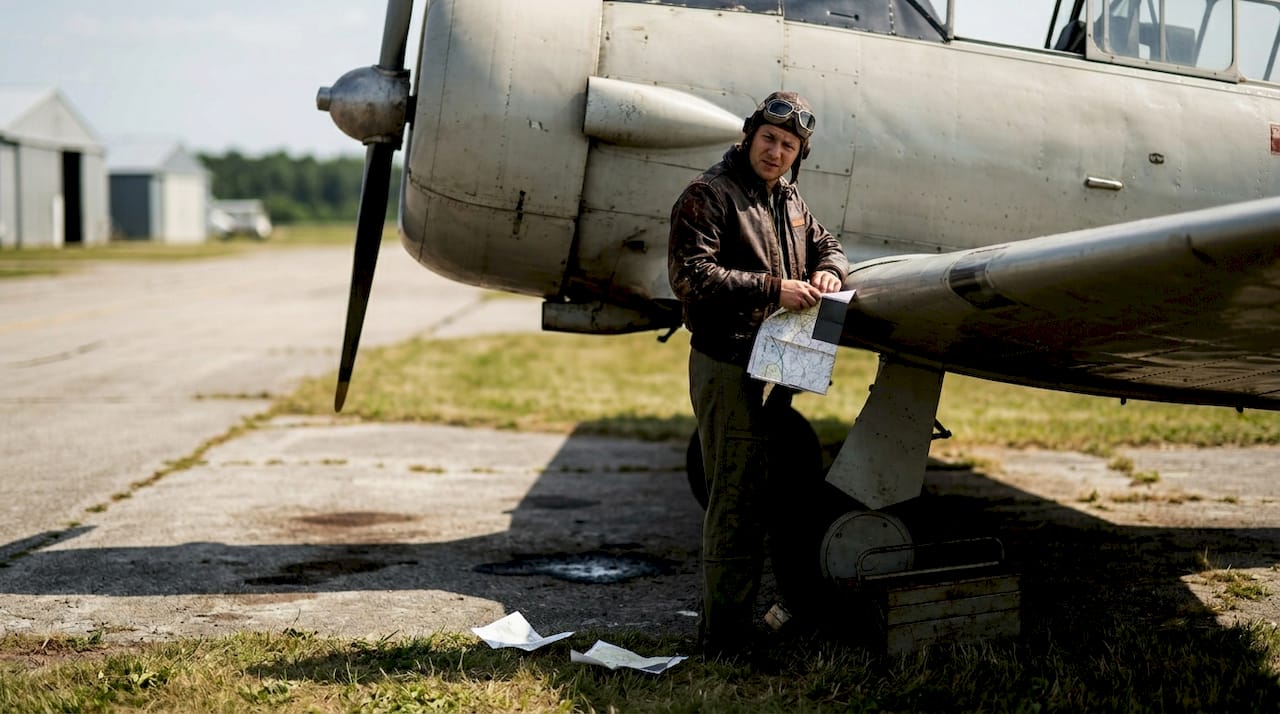
Flight jackets are everywhere right now, from runways to motorcycle meetups, but most people wearing them have no idea they’re carrying nearly a century of aviation history on their shoulders. These jackets weren’t designed to look cool. They were built to keep pilots alive in freezing, unpressurized cockpits thousands of feet in the air. That gap between origin and perception is exactly what makes the flight jacket so fascinating. Once you understand where they came from, what they’re made of, and how different styles compare, you’ll never look at one the same way again.
Table of Contents
- The origins and evolution of the flight jacket
- Key design features and materials explained
- Understanding classic and modern flight jacket styles
- Choosing and customizing your flight jacket
- Why the flight jacket is more than just fashion
- Ready to own or customize your flight jacket?
- Frequently asked questions
Key Takeaways
| Point | Details |
|---|---|
| Flight jacket origins | Flight jackets were first created for military pilots to protect them from harsh flight conditions. |
| Signature features | Authentic flight jackets feature heavy-duty leather or nylon, ribbed cuffs, and practical pocket layouts. |
| Evolution and style | Classic and modern flight jackets vary in materials and details, offering both function and personal flair. |
| Customization potential | Customizing or caring for a flight jacket makes it a unique piece that ages beautifully over time. |
The origins and evolution of the flight jacket
The flight jacket has one of the most practical origin stories in fashion. Flight jackets were created for military aviators facing brutal cold and wind exposure in open cockpits during World War I and the early years of powered flight. There was no heating, no pressurization, and no margin for error. A jacket that failed meant frostbite or worse.
The U.S. Army Air Corps introduced the A-1 around 1927. It was a simple, waist-length leather jacket with a button front and knit cuffs. Functional, but limited. By 1931, the A-2 arrived and quickly became the definitive American flight jacket. It added a zipper, a snap-down collar, and a cleaner silhouette. The A-2 jacket went through several design revisions as aviation demands changed, but its core look stayed remarkably consistent.
The Navy went a different direction with the G-1, which featured a fur or mouton collar for extra warmth and a slightly longer cut. The Army Air Forces introduced the B-3 for high-altitude bombing missions, a massive sheepskin jacket built for extreme cold. These weren’t fashion choices. Each design reflected the specific conditions pilots faced.
As jet aviation matured in the 1950s, pressurized cabins reduced the need for heavy leather. The MA-1 nylon jacket replaced leather in many branches, offering lighter weight and better compatibility with survival gear. That shift changed the aesthetic permanently.
Key Features
| Model | Era | Material | Key Feature |
|---|---|---|---|
| A-1 | 1927 | Horsehide leather | Button front, knit cuffs |
| A-2 | 1931 | Horsehide/goatskin | Zipper, snap collar |
| G-1 | 1940s | Leather | Fur/mouton collar |
| B-3 | 1934 | Sheepskin | Full shearling lining |
| MA-1 | 1950s | Nylon | Reversible, lightweight |
“The flight jacket is one of the few pieces of military gear that crossed directly into civilian culture without losing its original identity.”
After World War II, surplus jackets flooded civilian markets. Veterans wore them home, and a cultural shift happened almost overnight. The A-2 and G-1 became symbols of toughness and adventure, not just military service. That post-war adoption is where the fashion story really begins.
Key design features and materials explained
Now that you know the origins, let’s examine what makes a flight jacket instantly recognizable and why construction matters.
Every authentic flight jacket shares a set of core design elements. The waist-length cut keeps bulk away from the hips while allowing full arm movement. Ribbed knit cuffs and a ribbed waistband seal out wind without restricting circulation. A heavy-duty front zipper, often with a storm flap, protects against drafts. Multiple pockets, usually at least two chest and two hip, were designed for maps, tools, and survival gear.

The authentic design specs for military flight jackets are tightly controlled. The A-2, for example, was governed by U.S. Army specification 94-3040, which defined everything from zipper type to stitching density. That level of detail exists because a jacket that fails mid-flight isn’t just uncomfortable, it’s dangerous.
Material Choice Comparison
Material choice is where things get interesting. Here’s how the main leathers compare:
| Leather Type | Feel | Durability | Patina Potential |
|---|---|---|---|
| Horsehide | Stiff, firm | Very high | Excellent |
| Goatskin | Soft, pebbled | High | Good |
| Cowhide | Medium stiffness | High | Good |
| Lambskin | Very soft | Moderate | Moderate |
Pro Tip: Run your thumb along the interior seams before buying. Flat-felled seams that lie smooth against the lining indicate quality construction. Rough or exposed seams are a sign of shortcuts.
Understanding classic and modern flight jacket styles
With features in mind, let’s see how different models stand out on the runway, in movies, and on the road.
Each flight jacket style carries its own visual identity. Knowing the differences helps you pick the right one for your personality and purpose.
A-1:
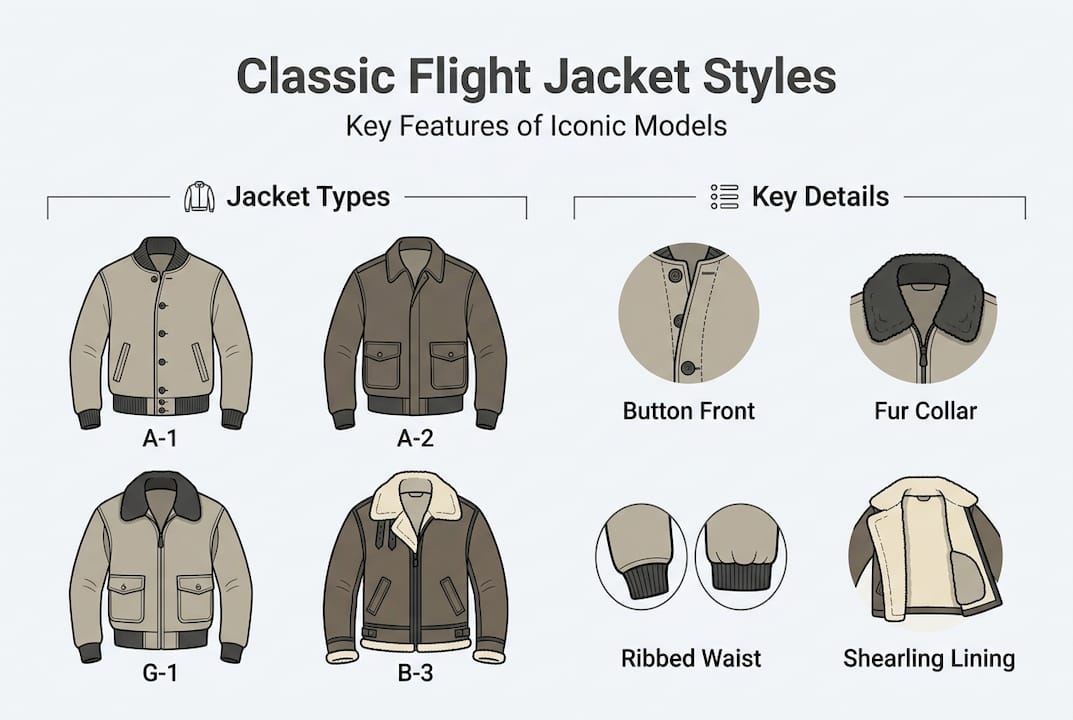
The oldest and simplest. Button front, shirt-style collar, and a clean silhouette. Rare today, but prized by collectors for its understated look.
A-2:
The most iconic American flight jacket. A snap-down collar, zippered front, and two chest pockets define its look. Wartime A-2s often used irregular, unmatched grain hides because leather was sourced quickly under wartime pressure. Modern reproductions tend to use more uniform, matched grain leather. That imperfection in originals is actually part of their appeal.
G-1:
Distinguished by its fur or mouton collar, the G-1 has a slightly more rugged, adventurous look than the A-2. It’s the jacket Tom Cruise wore in Top Gun, which introduced it to an entirely new generation. The G-1 is still issued to Navy pilots today under specification MIL-DTL-7823F, making it one of the longest-running active military garments in history.
B-3:
Big, bold, and unmistakable. The full shearling lining and oversized silhouette make it a statement piece. It’s less practical for everyday wear but commands serious attention.
MA-1:
The nylon bomber. Sage green with an orange lining, ribbed collar, and a chest pocket. Adopted by subcultures from punk to hip-hop, the MA-1 is the most versatile and accessible of all flight jacket styles.
For riders and fashion enthusiasts alike, exploring types of fashion jackets helps clarify where flight jackets sit in the broader outerwear landscape and how to style them with different looks.
- A-1: Button front, minimal, collectible
- A-2: Zipper, snap collar, most reproduced
- G-1: Fur collar, Navy issue, cinematic
- B-3: Shearling, high-altitude, bold
- MA-1: Nylon, reversible, streetwear staple
The G-1’s continued military use is a remarkable fact. Most garments that enter fashion do so after retiring from function. The G-1 never retired.
Choosing and customizing your flight jacket
With an understanding of style, you’re ready to choose or create a jacket that fits your life and personality.
Choosing a flight jacket isn’t just about looks. How you plan to use it shapes every decision from fit to material.
For fashion wearers
A slightly slimmer cut works best. You want the ribbed waistband to sit at your natural waist without bunching. Goatskin or a soft cowhide gives you that broken-in feel faster and layers easily over lighter shirts.
For motorcycle riders
The fit should allow comfortable arm extension without pulling at the shoulders. A slightly longer back hem reduces wind gap when leaning forward. Horsehide or thick cowhide offers the best abrasion resistance if you go down.
Steps to Customize your flight jacket:
Here’s a step-by-step approach to customizing your flight jacket:
- Start with the base: Choose your leather type and color before adding anything else. The foundation determines everything.
- Plan your patches: Squadron patches, personal art, or flag patches add identity. Placement and attachment method matter. Sewn patches hold better than iron-ons on leather.
- Consider embroidery: Back panel embroidery is a classic flight jacket tradition. Keep thread density reasonable to avoid distorting the leather.
- Add painted art: Hand-painted nose art or graphics are a wartime tradition that translates beautifully to modern jackets.
- Upgrade for riding: Ask your maker to add CE-rated armor pockets at the shoulders, elbows, and back. This doesn’t change the look but dramatically improves safety.
- Protect your investment: Condition the leather before first wear, and repeat every few months.
Pro Tip: Store your leather flight jacket on a wide, padded hanger in a breathable garment bag. Plastic bags trap moisture and cause mildew. A cedar block nearby keeps pests away without chemical damage.
Knowing how to maintain your leather jacket from day one makes a real difference in how it ages. For seasonal care routines, leather jacket care tips break down exactly what products and methods work best across different leather types.
Why the flight jacket is more than just fashion
Most outerwear trends come and go. Flight jackets have been culturally relevant for over 80 years, and that’s not an accident.
Here’s what we’ve observed working with jacket enthusiasts and riders: people who buy flight jackets for fashion often end up keeping them for life. That almost never happens with trend pieces. The reason is simple. A well-made flight jacket becomes yours in a way that no other garment does. It absorbs your movement, your climate, your habits. The leather changes. The patina deepens. It stops being a product and starts being a record of your life.
The military communities that created these jackets understood something that modern fashion often ignores. Gear that works hard earns emotional weight. Pilots personalized their A-2s with hand-painted art and patches not because it was fashionable, but because they were marking something that mattered to them.
Riders feel this too. A jacket that’s been through weather, miles, and years tells a story no new piece can replicate. That’s why flight jackets connect across such different communities. They reward commitment. The longer you wear one, the better it gets.
Ready to own or customize your flight jacket?
If this history and craftsmanship has you thinking seriously about adding a flight jacket to your wardrobe or gear setup, you’re in the right place.
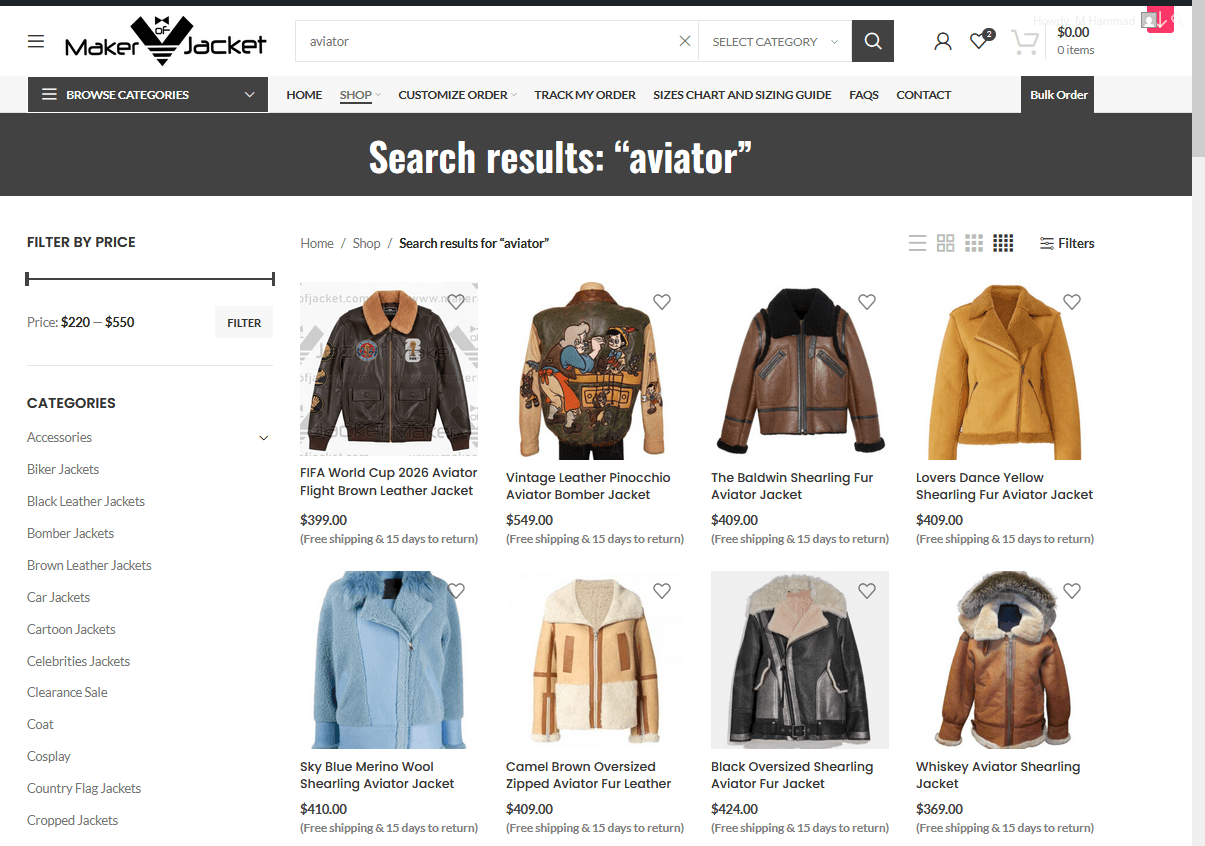
At Maker of Jacket, we specialize in high-quality leather jackets you can make entirely your own. Whether you want a faithful A-2 reproduction, a G-1 with a custom lining, or a rider-ready flight jacket with built-in armor pockets, we build it to your specs. You can customize jackets for unique style by choosing your leather, hardware, patches, and embroidery from the start. When you’re ready to move forward, order a custom jacket directly through our site with worldwide free shipping included.
Frequently asked questions
What makes a jacket a ‘flight jacket’?
A flight jacket is defined by its military-inspired construction, including a waist-length cut, ribbed cuffs and waistband, a heavy-duty zipper, and materials chosen for insulation and mobility. These features trace directly back to military aviation specifications.
Are flight jackets suitable for motorcycle riding?
Yes, the wind resistance and durability of leather flight jackets make them a solid choice for riding, but adding CE-rated armor panels at the shoulders, elbows, and back is strongly recommended for real-world protection.
How do I care for a leather flight jacket to keep it looking great?
Keep it dry, condition the leather every few months with a quality conditioner, and store it on a wide hanger in a breathable bag away from direct sunlight. Following best care practices from day one extends the jacket’s life significantly.
Can I customize a flight jacket without harming its value?
Absolutely. Patches and embroidery are a traditional part of flight jacket culture and won’t harm the jacket as long as you avoid cutting through structural seams or over-saturating the leather with adhesives.
What is the difference between A-2 and G-1 flight jackets?
The A-2 features a snap-down shirt collar and was standard Army Air Corps issue, while the G-1 uses a fur or mouton collar and remains active Navy issue today. The G-1 tends to read as more rugged and adventurous, while the A-2 is cleaner and more versatile.


