

Moto Gear Explained: Essential Protection and Style

TL;DR:
- Full motorcycle gear provides comprehensive protection beyond just helmets and jackets.
- Investing in quality gear enhances safety, confidence, and personal style during every ride.
- Modern gear combines safety with customization, offering durable materials and advanced armor options.
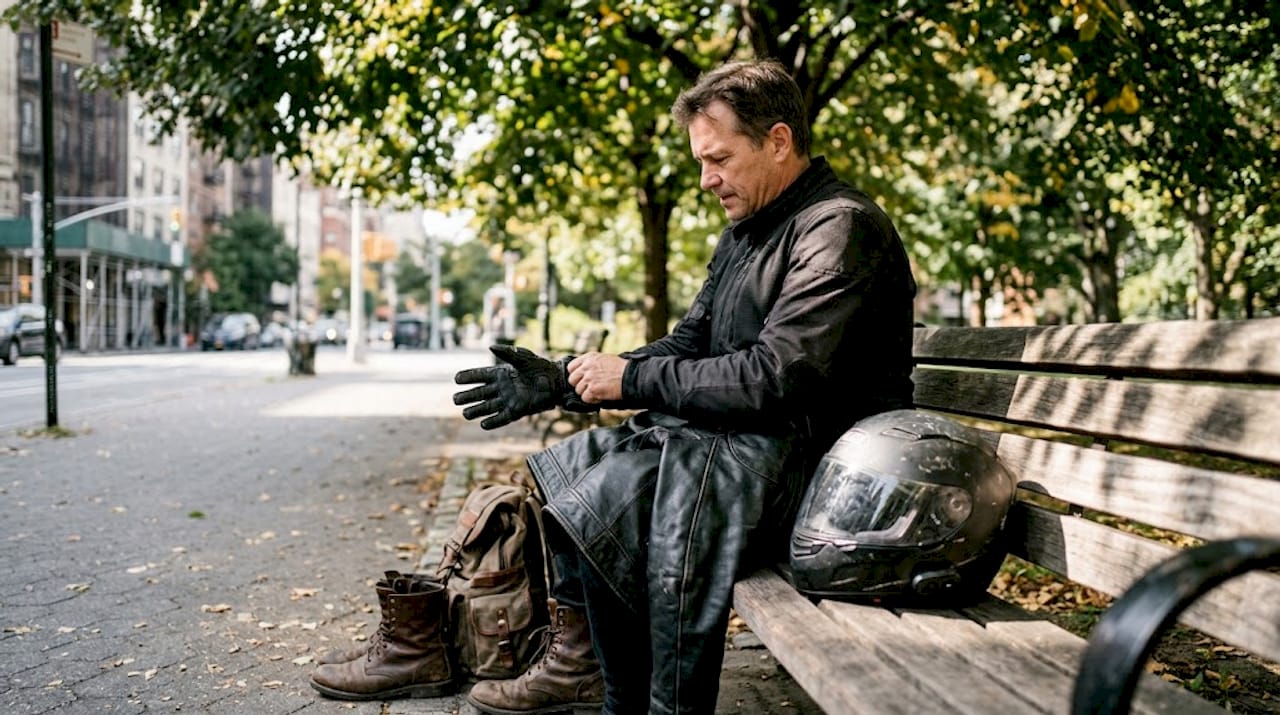
Most riders hit the road believing that a jacket and a helmet are enough. In reality, the full picture is far more nuanced and far more rewarding. Helmets alone reduce head injury risk by 69% and cut mortality by 42%, yet a staggering number of riders skip full gear on short trips, thinking the risk doesn’t apply to them. This guide breaks down exactly what moto gear is, what each piece does for your body, and how you can build a kit that keeps you safe while saying something real about who you are. Protection and personal style are not trade-offs anymore.
Table of Contents
- What is moto gear? A complete definition
- Protection, performance, and ATGATT: Why gear matters
- Materials, armor, and technology: What makes gear effective
- Choosing moto gear: Balancing safety, style, and comfort
- Our take: Rethinking moto gear for today’s rider
- Ready to upgrade your moto gear?
- Frequently asked questions
Key Takeaways
| Point | Details |
|---|---|
| Complete protection matters | Wearing full moto gear dramatically reduces the risk of serious injury in any ride. |
| Material choices affect safety | Leather, modern textiles, and integrated armor each offer unique safety and comfort benefits. |
| Style and safety combine | Today’s moto gear allows riders to showcase personal flair without compromising on protection. |
| Customize your ride | Custom gear offers the perfect balance between fit, comfort, safety, and self-expression. |
What is moto gear? A complete definition
Moto gear is more than a jacket and a lid. Moto gear refers to specialized clothing and equipment designed for crash protection, weather resistance, visibility, and style expression, covering helmets, jackets, gloves, boots, and pants. Each piece serves a specific function, and together they form a system that stands between you and serious injury.
Understanding why motorcycle gear matters starts with recognizing the dual role it plays. Yes, your jacket protects you from road rash. But it also communicates your identity before you even say a word. Riders who invest in quality gear report feeling more confident, more visible, and more connected to the riding culture they love.
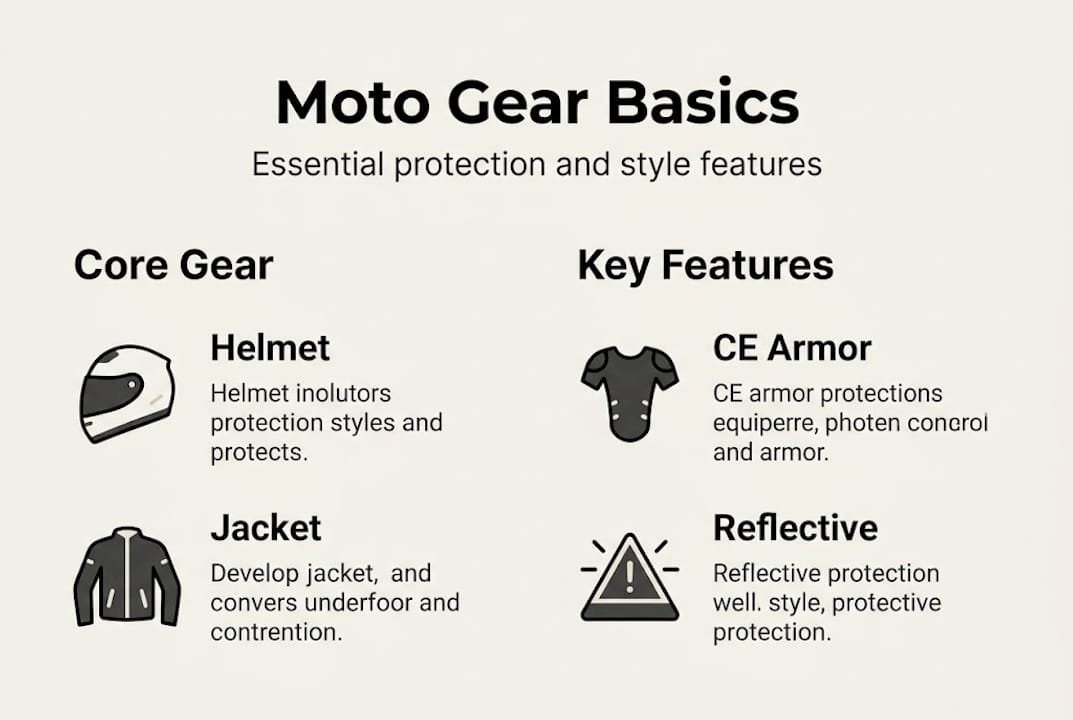
Here are the core components of a complete moto gear setup:
- Helmet: Your single most important piece of gear, certified to protect against impact and penetration.
- Jacket: Abrasion-resistant outer layer, ideally with integrated armor at shoulders, elbows, and back.
- Gloves: Protect hands and wrists during a fall, which instinctively reach out to break impact.
- Pants: Reinforced riding pants with knee and hip armor prevent lower body injuries.
- Boots: Sturdy ankle protection and sole grip to keep your feet planted and shielded.
A common myth is that short rides don’t require full gear. This thinking gets riders hurt. Most accidents happen close to home, on familiar roads, during trips riders consider routine. Every ride, regardless of distance, carries the same physics.
“Gear is not a uniform you put on for long hauls. It’s the skin you wear every time you throw a leg over the bike.”
Browsing gear essentials for modern riders gives you a clear picture of how a well-rounded kit comes together for both function and flair. The goal isn’t just survival. It’s riding confidently, looking the part, and coming home the way you left.
Protection, performance, and ATGATT: Why gear matters
ATGATT stands for All The Gear All The Time. It’s not a slogan. It’s a philosophy backed by real crash data. 75% of crashes occur in the first 75% of a ride, and protective clothing reduces soft tissue injuries by 43%. That means the danger window is front-loaded, and most riders are exposed during the very moments they feel most comfortable.
Each piece of gear does a specific job when things go wrong:
- Helmet absorbs and distributes impact energy, protecting the skull and brain from direct trauma.
- Jacket creates a friction buffer between skin and asphalt, preventing road rash that can require skin grafts.
- Gloves keep wrist bones and tendons intact during the natural reflex to brace a fall with outstretched hands.
- Riding pants shield the knees and hips, joints that take enormous stress in a low-side or high-side crash.
- Boots stabilize the ankle joint and protect the foot from being crushed or twisted under the bike.
Here’s how gear stacks up in terms of injury risk reduction:
| Gear type | Key protection zone | Injury risk reduction |
|---|---|---|
| Certified helmet | Head and brain | Up to 69% reduction in head injury |
| Armored jacket | Torso, shoulders, elbows | Significant soft tissue and fracture protection |
| Riding gloves | Hands, wrists | Prevents abrasions and fractures |
| Armored pants | Knees, hips | Reduces lower body impact injuries |
| Sturdy boots | Ankles, feet | Prevents crush and rotation injuries |
Following motorcycle jacket safety tips helps you understand how your jacket’s armor placement directly maps to the most common impact zones in a crash. The features of quality jackets that matter most are those that stay in place during a slide, not just ones that look good in the store.
ATGATT isn’t about fear. It’s about respect for the physics of riding, and about ensuring the ride always has a next chapter.
Materials, armor, and technology: What makes gear effective
Not all gear is built equal. Understanding the difference between materials and armor ratings turns you from a shopper into a smart buyer.
Leather jackets offer superior abrasion resistance compared to most textiles. Premium bovine or cowhide leather can withstand sustained asphalt contact far longer than cotton or standard synthetics. Textile gear, on the other hand, often beats leather in weather resistance and ventilation. Hybrid gear tries to split the difference by combining panels of each.
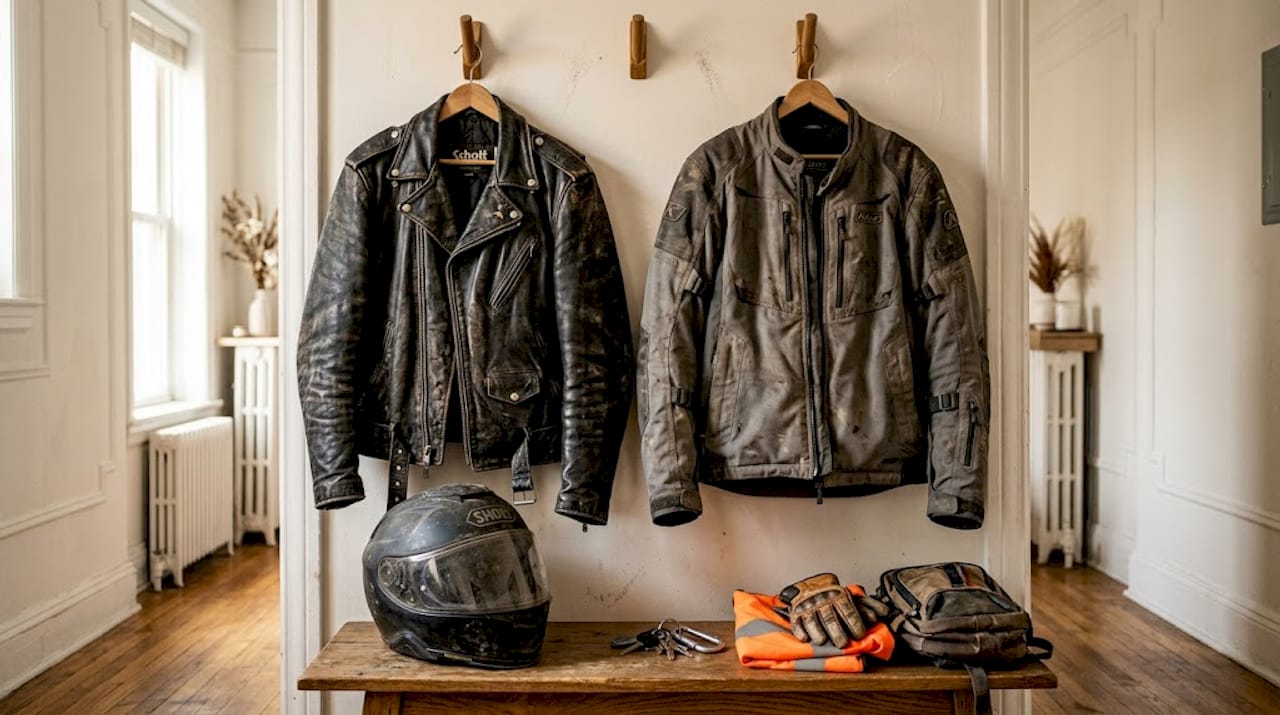
| Feature | Leather | Textile | Hybrid |
|---|---|---|---|
| Abrasion resistance | Excellent | Good | Very good |
| Weather resistance | Moderate | Excellent | Good |
| Ventilation | Limited | Excellent | Good |
| Weight | Heavier | Lighter | Moderate |
| Style options | Classic, bold | Functional, technical | Versatile |
| Customization | High | Moderate | Moderate |
Exploring types of motorcycle jackets helps you understand which jacket style suits your riding discipline and climate. For material deep dives, the cowhide vs buffalo comparison is a great starting point, and the jacket material guide covers the full spectrum from kangaroo to textile blends.
Modern moto gear integrates CE-rated armor using viscoelastic materials in shoulders, elbows, back, and knees. CE Level 1 armor meets baseline protection standards and stays flexible during normal wear. CE Level 2 armor absorbs significantly more impact energy and is preferred for aggressive riding or track days.
Viscoelastic materials are worth understanding. They remain soft and pliable in normal conditions but stiffen instantly on impact, distributing force across a wider area instead of concentrating it on one point. Think of it as armor that reads the situation and responds accordingly.
Pro Tip: Always check for the CE certification label inside your armor pockets. If there’s no label, the armor hasn’t been independently tested, and you don’t know what you’re actually protected by.
Choosing moto gear: Balancing safety, style, and comfort
Picking the right gear doesn’t mean sacrificing your personality for protection. Moto gear serves both protection and style expression, and the best riders understand that the two goals support each other.
Start with fit. Armor that shifts out of position during a crash offers zero protection. A jacket should sit snugly without restricting movement at the shoulders and elbows. Pants should keep knee armor directly over the kneecap, not riding up or down the leg.
Here’s a quick checklist for evaluating any piece of moto gear before you buy:
- CE-rated armor in all major impact zones
- Secure fit that doesn’t shift under movement or wind pressure
- Ventilation appropriate for your riding climate
- Visibility features such as reflective panels for night or low-light riding
- Color and design that match your personal riding identity
- Adjustable closures at wrists, waist, and collar for a custom feel
Color and customization matter more than many riders admit. High-visibility colors like yellow and orange reduce conspicuity risks, but a blacked-out custom jacket with CE Level 2 armor is infinitely better than no jacket at all. The best gear is the gear you actually wear.
Pro Tip: Look for jackets with a built-in connection zipper at the waist. This lets you attach your jacket directly to your riding pants, keeping the armor in position even during a violent slide.
Reading through choosing the perfect motorcycle jacket walks you through every decision point. For layering strategies that keep you comfortable across seasons, layering for comfort and safety is genuinely useful. If you want a complete head-to-toe solution, custom fit motorcycle suits offer the highest level of integrated protection available.
Our take: Rethinking moto gear for today’s rider
For decades, the conversation around moto gear felt like a binary choice. You either wore full race leathers and looked like you just came off a track, or you opted for a stylish jacket that offered real-world protection somewhere between “better than nothing” and “barely.”
That trade-off is gone in 2026. The materials are better. The armor certifications are stricter. The customization options are finally catching up to what riders actually want.
What we believe, having spent time in this space, is that why gear matters goes beyond the numbers. It’s about the mindset you bring to every ride. Riders who invest thoughtfully in their gear ride more attentively, take better lines, and honestly enjoy the experience more. Your gear is not a separate thing from your riding identity. It is your riding identity, made physical. The riders who get this right stop asking “how little can I get away with” and start asking “how good can this actually get.” That shift in thinking changes everything.
Ready to upgrade your moto gear?
You now know what moto gear is, why every component earns its place, and how to pick pieces that reflect your standards without cutting corners on protection. The next step is finding gear built to match both demands at once.
At Maker of Jacket, we specialize in premium, customizable leather jackets and motorcycle apparel built for riders who refuse to compromise. Whether you want a bespoke leather riding jacket or a full custom suit, our custom jacket options let you control every detail from material to armor integration. Explore our customization journey and see how we bring your vision to life with worldwide free shipping and expert craftsmanship backing every order.
Frequently asked questions
What are the essential components of moto gear?
Essential moto gear includes a certified helmet, an abrasion-resistant jacket, gloves, protective pants, and sturdy boots, all working together for comprehensive protection on every ride.
How does moto gear reduce injury risk?
Quality gear dramatically cuts injury rates across the body. Helmets reduce head injuries by 69% and protective clothing cuts soft tissue injuries by 43%, making every piece a direct investment in your physical safety.
Is leather always the best material for moto gear?
Leather offers top abrasion resistance, especially premium cowhide, but textile and hybrid options provide superior weather resistance and breathability, so the right choice depends on your riding conditions and priorities.
Can moto gear be customized for style?
Absolutely. Moto gear supports style expression at every level, from color selection to bespoke stitching and custom armor placement, allowing riders to build a kit that’s uniquely theirs without sacrificing protection.
Why is ATGATT important for motorcyclists?
75% of crashes happen in the first 75% of a ride, meaning short, familiar trips carry the highest risk exposure. ATGATT ensures you’re protected during the moments you’re most likely to assume you don’t need to be.


